First Run at a 3 Gun Stage

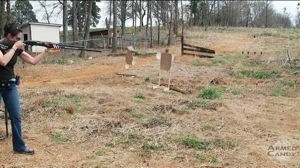
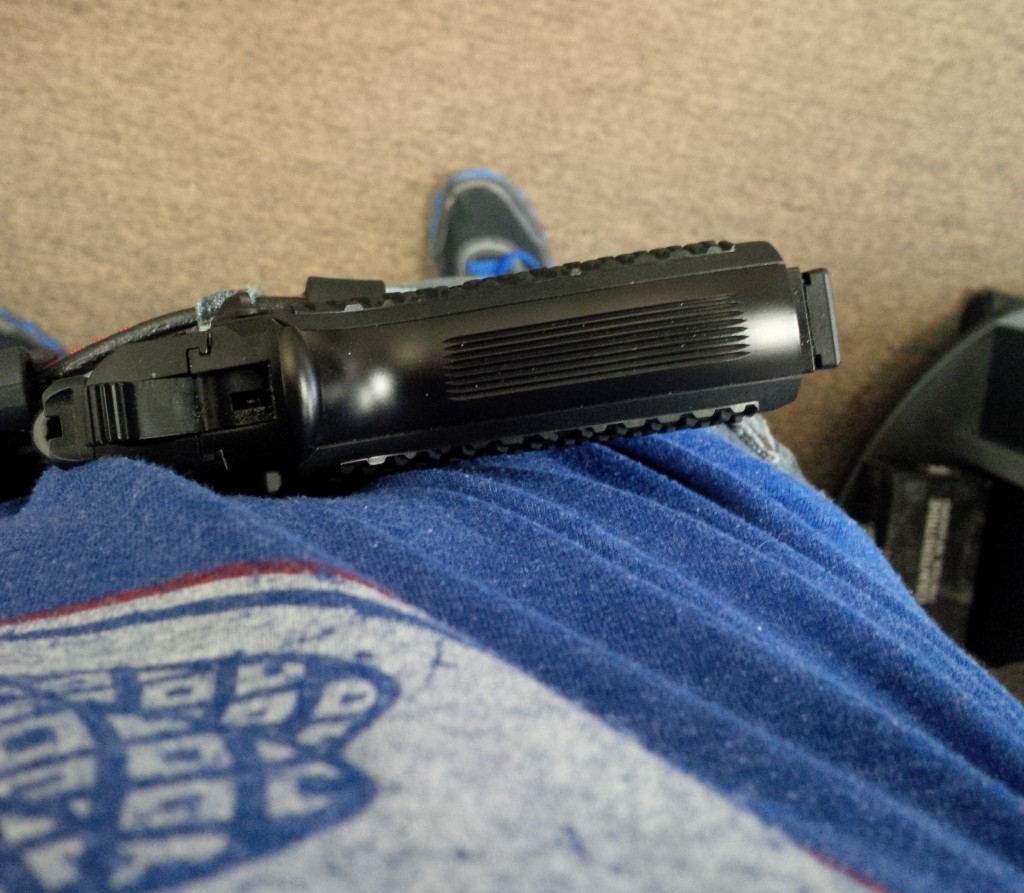
20140324-100756.jpgThe gong to start with is at 50 feet. There’s another at an angle, so let’s say 60 feet, with four steel poppers inbetween. I am allowed to start moving and engage two silhouettes with two plates attached to each. Dump the rifle with safety on and pick up shotgun. Break nine clays and come around a table to either, knock down five steel targets with shells or dump the short gun and take on the rest with pistol. One silhouette to the right, another with a plate to the left. Two more steel gongs and five steels to knock down at the end.
Continue reading →

Gunblogging advice: Demonstrate value to brands

Today we have another installment in the long and intermittent “So you want to be a gunblogger” series. Today I want to talk about the most important thing in the world to a blogger: getting free stuff. That may come off as crass, but the truth is that blogs live and die by content, and reviews are a hugely important part of that content. One of the most common questions I get asked is “how do you (me) get companies to send you stuff for reviews?”

This is a T&E gun
This is a T&E gun

Since I know most people aren’t going to read past the jump, I’ll put this right here: if you want people to send you stuff to review, you have to be able to demonstrate some kind of value to the people sending you stuff. It’s that simple.Continue reading →

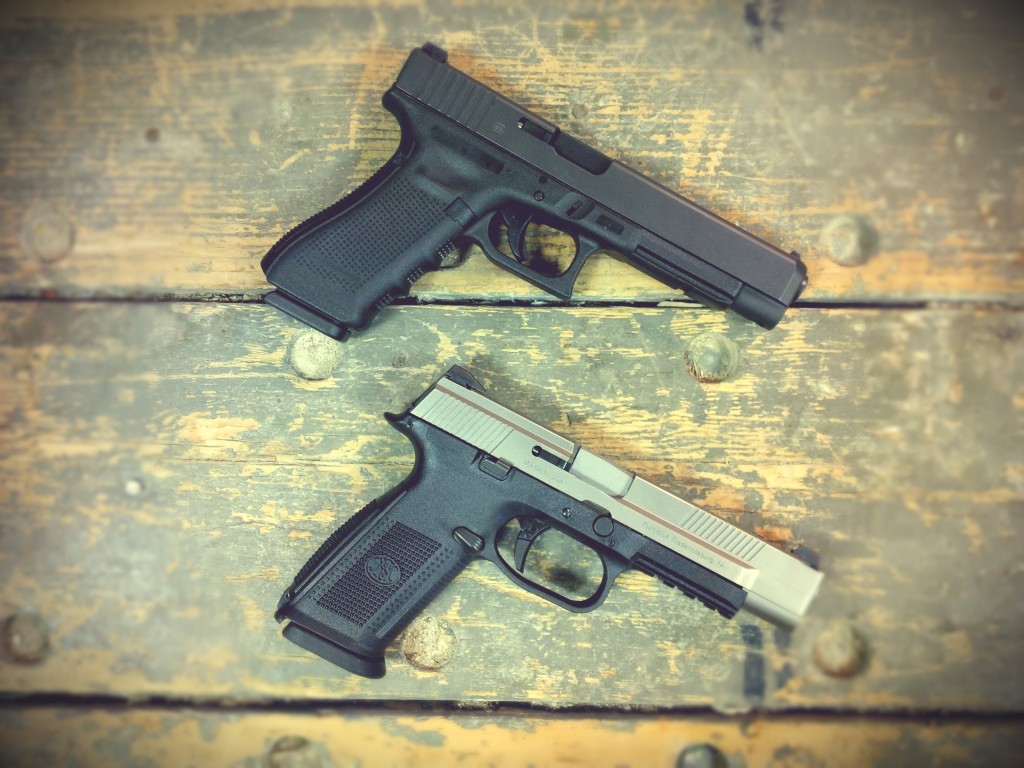
Competition Gun Comparison: Gen4 Glock 34 vs. FNS-9 Longslide

fns vs glock 34

Both are 17+1 capacity guns with 5(ish) inch slides for good sight radius. They both have interchangeable backstraps, trigger pulls in the same general area, and no external safeties. The FNS in my opinion is easier to reload and comes from the factory with better sights, the G34 on the other hand is a proven, reliable design with a huge amount of aftermarket support.

Which would you pick?

G-Code Incog Review: a week of carrying

Whenever gun industry celebrities get involved in product design, there’s always a bit of skepticism from the non-fanboys about how good the product actually is. The G-Code INCOG holster that I’m wearing right now was one of those products, because it was designed in part by Travis Haley, formerly of Magpul Dynamics and now head of Haley Strategic. Me personally, I don’t care who designed a product so long as it works.

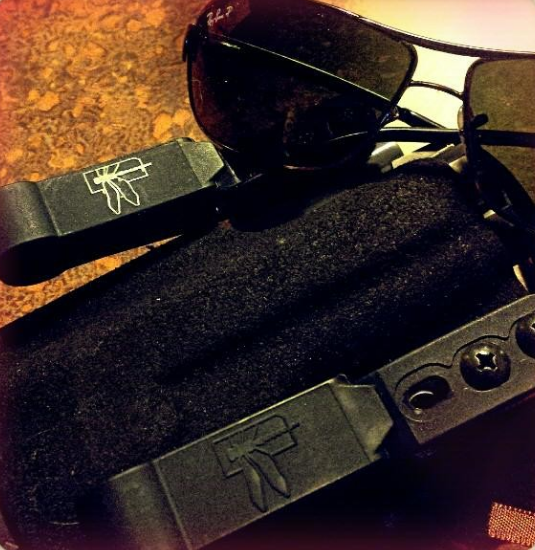
edc items

That’s why when I read this review of the INCOG I immediately wanted to try it. Why would a negative review make me want to try a piece of gear? Because of how well written and thoughtful it was. Honestly, I wish that all content on the internet could be as good as that review, because it managed to summarize how the product worked for the reviewer while also making readers curious about the product.

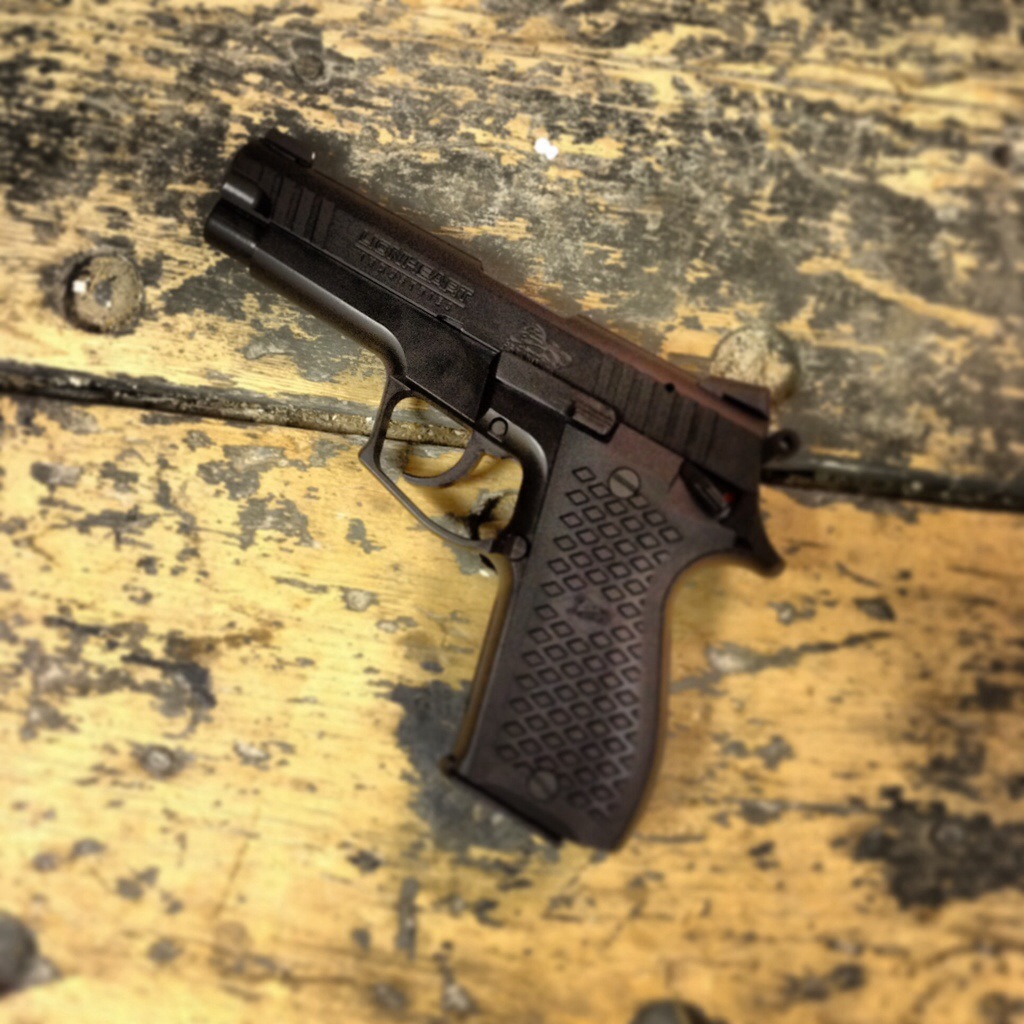
How I ended up with the INCOG is pretty simple: Lionheart has partnered with G-Code to make holsters for the LH9. I have an LH9 from Lionheart, and I wanted to actually carry this gun. I like the G-Code OWB belt holster I have, so I figured that rather than wait 6 months for someone to rig up a custom AIWB holster for the LH9, I’d just get an INCOG. A week later, I’ve been carrying the LH9 in the INCOG holster every day for over 8 hours, and I have some initial thoughts. A good carry holster must perform well in the 3 Cs: Concealment, comfort, and capability. Capability is whether or not the holster enhances my ability to get the gun out in a hurry, or detracts from that ability.

Concealment
The INCOG uses two clips which angle slightly out from the holster to attach to the belt. According to the design, it’s intended to be worn at any position on the body, we’re testing as an appendix holster. In the appendix position, the INCOG could use a more pronounced wedge on the leading edge of the holster to push the butt of the gun closer to the body. I suspect if I was a bit…rounder in the middle bits that this problem would solve itself. However, when concealed under an untucked t-shirt or polo, the butt of the gun does tend to print a little bit at the appendix position.

gcode incog

Comfort
The INCOG excels at comfort. So far, it’s the most comfortable AIWB holster I’ve owned. I can wear it all day at my desk, take 2 mile walks with the dog, no pinching or rubbing. Like any AIWB holster I strongly recommend wearing an undershirt to aide in the comfort equation, but even against bare skin the “tactical fuzz” that the exterior of the holster is coated with makes it ride very comfortably. Now that I’ve been wearing it for a week, I am probably going to adjust the ride height just a little bit to make it a little more comfortable.

Capability
I’ve only had the INCOG for a week, and one range session in that week with the holster. I’ve done dry fire training with it, but at this time I don’t feel comfortable discussing the capability of the holster to enhance performance vs. other holsters in its class. The specific reason for that is that this holster is for the LH9, and I’ve already discussed that there is a bit of a learning curve for me with the LH9’s DA+ system. Once I’m more comfortable with the gun itself I’ll be able to assess the all important metric of a concealment holster: draw speed.

Right now, I like the INCOG. I’m going to keep using it to carry the LH9, and next week after I get some more range time under my belt, I’ll be able to provide further information on how the holster performs its most important tasks. Check back next Friday for another update on the holster’s performance.

Disclaimer: I paid American cash money for this holster.

M3 Strategies Fakeout Drill

I spend a lot of time talking about derp in the tactical training world. Today, I’m talking about the exact opposite of that: M3 Strategies and Stephen Pineau. Stephen’s a cool bro and is what up-and-coming trainers should be: thoughtful, articulate, and most importantly seriously about both his development as a shooter and developing his students. Check out his Fakeout Drill above and let me know what you think.

10 things only people who carry concealed will understand

You put your gun on every day and go about your business like a normal person. But there are some things that you do a little bit differently because you carry a concealed firearm, and that’s okay. Because you get it. I get it. You’re welcome here.

1. Worrying about printing
You know what I’m talking about. When you first get your carry permit, there’s this little voice in the back of your head that screams “OHGODOHGODOHGOD EVERYONE CAN SEE THE OUTLINE OF MY GUN THROUGH MY SHIRT I’M GOING TO GET THE SWAT TEAM CALLED ON ME OH GOD”.

Relax, no one can see your gun, and most people are too wrapped up in their iPhones to even notice.

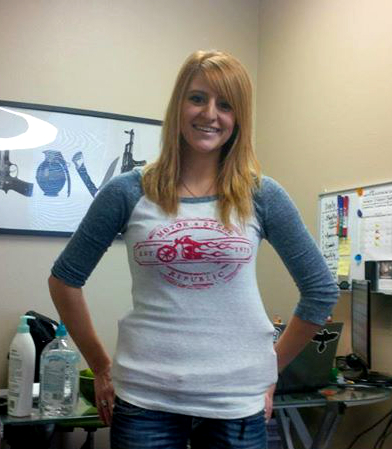
boss am I printing

2. Having a drawer full of holsters that you’ve tried out and tossed because they didn’t fit quite right
We have all done this. Turns out, people are all sorts of different shapes and sizes, and what works best for me might not be best for you.

3. Making sure you sit in the restaurant section and not the bar when you go out (certain states)
Some states don’t allow carry in bars, some allow it in restaurants, and some (like Indiana) just don’t care. Regardless, CCW know the pain of wondering “is this place a 51% establishment or not…”

4. Scoffing at “no guns allowed” signs that don’t have the force of law.
Some states (like Texas) have specific laws written for establishments that want to ban guns. If the posted sign doesn’t use the correct phrasing in the law, it’s pointless and has no power. Many places those signs don’t have the force of law at all.

5. Buying all your pants one inch too large in the waist to accommodate an IWB holster
We’ve all done this. Buying new jeans and thinking “Is my carry gun going to fit these?”

6. Having to be careful about hugging new people so they don’t find your gun
Dating and carrying is THE WORST. “Oh man, this girl wants to hug me, good thing I’m carrying appendix so I can give her the Christian Side Hug and she won’t feel my gun.”

7. Planning road trips around which state honor your carry permits
Every. Time. “Hey, we can go here and here, and I won’t have to take my gun off. Sweet, let’s take a vacation to beautiful Missouri, they honor my permit!”

8. Really hating life when your concealment garment is too warm for the weather
We’ve all done this. Thrown on a hoody or something for concealment when going out with friends, then it turns out to be 10 degrees warmer than the forecast. Can’t take your jacket off because you’re carrying, so you spend the day marinating in your own sweat.

9. Taking a knee to pick up dropped items instead of bending at the waist
Related to number 1! You don’t want people to see your gun if you bend over, so you take a knee Tebow-style to pick up things you’ve dropped.

10. Relishing that moment of surprise when someone you’ve been hanging out with all day finally realizes you’ve had a gun the whole time
“I AM A CONCEALMENT GOD”

When did “Krav Maga” become a code word for derp?

Today in “musings on self-defense” I want to talk about unarmed self-defense. Right now, the hotness for unarmed self-defense are techniques derived from MMA, because we have actually proved that all that stuff works really well to inflict violence on other people. BJJ, kickboxing, and traditional American boxing are the hotness and for good reason. Mixed Martial Arts has been the best thing to happen to the world of unarmed combatives in my lifetime, because it is absolutely no BS. Oh, you’re a super-ultimate fighter in 10 secret arts of ninja-dom? Saddle up, buttercup and get in the ring and prove it.

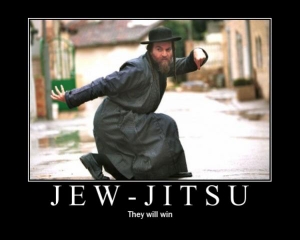
jjs (300x240)

To be honest, the unarmed self-defense community is still a bit of a clown-show, because there are plenty of derp-instructors who teach techniques that are “too dangerous for the ring” and “can’t be practiced on living people”. You know, like the Five-Finger Death Punch or whatever. These days, there seems to be no bigger perpetrator of unarmed derp than teachers of Krav Maga.

What is it with Krav that attracts derp like flies? Is it for the same reason that 50% of the neckbeards on Arfcom will buy something “because the Israelis use it?” Just as an example, here is an actual list of things that Krav Maga students and instructors have said to me over the years:

  • “It doesn’t matter if you have a gun, I could just take it away from you.”
  • “Oh sure, MMA is cool but that’s not real fighting. They’re all padded up, a good Krav student could take most MMA guys”
  • “Gun disarms are easy”
  • “I just need one shot and you’d be down”

And on and on and on. I do actually believe that there are plenty of legitimate KM instructors out there who are teaching valuable techniques in an intelligent way…I’ve just never met one. All of my encounters have been of the Derp Clownshoe variety, and I wonder when that started. It might have something to do with the fact that there’s no national sanctioning body for Krav, so anyone can take a couple of classes and then hang out their shingle as a “self-defense instructor trained in secret Israeli Death Arts” which is a problem mirrored in the firearms training community. Other martial arts like BJJ or taekwondo (not really self-defense but that’s not the point) have some level of national sanctioning with checks and balances. The American boxing community has all kinds of organizations in place.

All of that is why when someone tells me that they’re taking a “krav maga” class, my eyes immediately start to glaze over. I expect derp to follow, and maybe someday I’ll be surprised when it doesn’t.

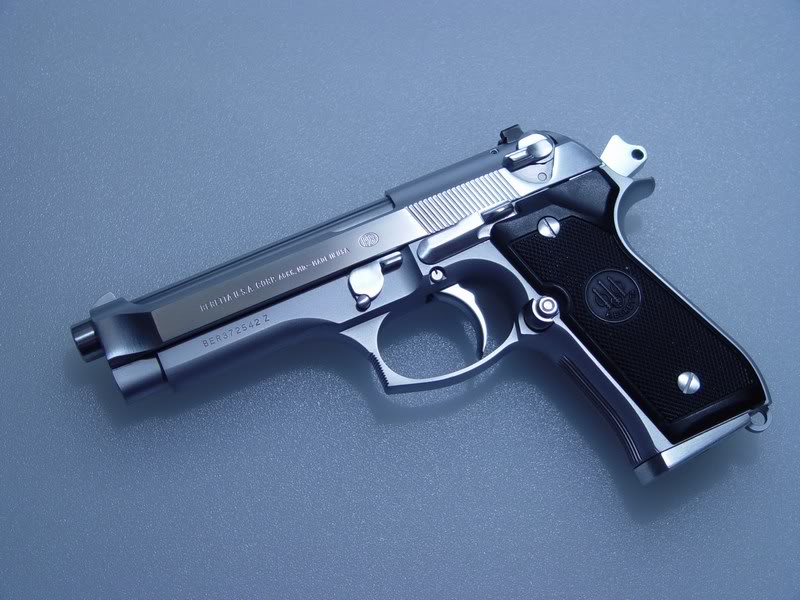
The Underrated Beretta 92

Yesterday afternoon Wilson Combat, purveyor of some of the most desirable custom 1911’s on the market, announced that they had paired up with Ernie Langdon to begin offering parts and custom work on the Beretta 92. Mr. Langdon worked for Beretta a while ago and from what I understand was largely responsible for some of the most interesting and desirable variants of the Beretta 92 that the company ever produced. He took guns like the 1st and 2nd generation 92 Elite pistols to multiple championships in IDPA and USPSA. After leaving Beretta Mr. Langdon put his expertise on the Beretta 92 to work (all too) briefly offering gunsmith services on Berettas. My first handgun was a somewhat beat-up looking 92FS that needed some competent attention, so I sent her off to Mr. Langdon to have the full armorer treatment including fitting and installing a new locking block and a trigger job. I was quite pleased with the result…so pleased that I had the gun refinished. I’m almost certain that I have the only hard-chromed, Langdon customized Beretta 92 on the planet. Take that, Tam.

Thanks for the advice...
Thanks for the advice…

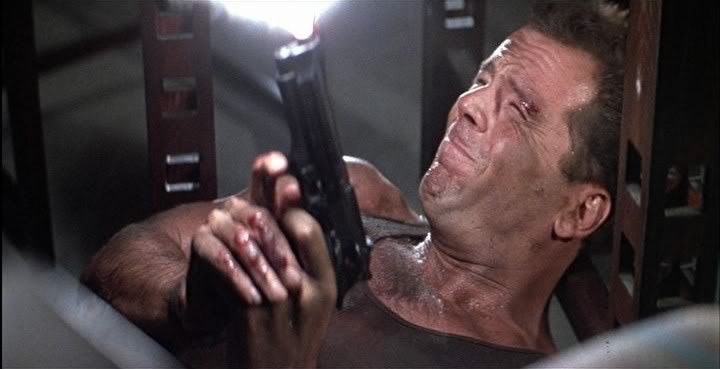
The Beretta 92 has always been one of my favorite handguns. My formative impressions of the Beretta were probably set by watching Bruce Willis and Mel Gibson waste machinegun toting baddies by the truckload using the 92. Yes, I have a Miami Classic holster for my Beretta 92 as a direct result of the airport scene in Die Hard 2. No, I’m not the least bit ashamed of that fact. Of course, the Beretta 92 was featured prominently in the Die Hard and Lethal Weapon movies precisely because at the time it was the standard issue sidearm of the most famous local police agency in the world: The LAPD. There’s no doubt that Hollywood blockbusters sold a lot of Berettas, but the pistol was doing fairly well in its own right prior to the gratuitous gun porn of 80’s and 90’s action movies.

The Beretta’s adoption by the US Military happened to coincide with the rise of drug-related gang warfare in cities like Los Angeles. Police departments looking to give officers on the street an edge often turned to the Beretta 92, and often with good results. When properly maintained the pistol proves to be a pretty reliable and durable sidearm. It was a rather large pistol even by the standards of the day, and smaller shooters often found reaching the trigger in double action mode to be somewhat difficult. The most universally disliked feature of the Beretta 92 has to be the slide mounted safety. Despite the “extra wide ejection port, no feed jams” the Beretta did occasionally have a malfunction and it’s very easy to accidentally engage the safety while manipulating the slide to clear a malfunction. At the request of some counterterrorism professionals who were using the pistols, Beretta came up with a “G” model 92 where the safety was replaced by a lever that only functioned as a decocker, but for reasons that mystify me (and some others I might add) they have been reluctant to sell “G” model 92’s to the general public. From what Mr. Langdon told me in a class some time ago, even getting the Elite models to be sold in the “G” configuration took quite a bit of effort behind the scenes. Perhaps Wilson Combat will join a couple of smaller shops out there in offering a “G” conversion for the FS pistols.

If you ask guys who served in the military about their experience with the M9, the reviews are often mixed. Some poor decisions by the military contributed to problems with the pistol. The military had a bad habit of taking parts from a gun that had to be deadlined for some reason and using them in other guns. The most notorious of these was the locking block, a wear item that was supposed to be new and fitted to the pistol it was being installed in. The military often took locking blocks off of a worn pistol and threw them into a pile where they were slapped into other guns without proper fitting, which went against Beretta’s own recommendations for the gun. And now, as I channel my best Paul Harvey impression, you know the rest of the story behind the legend of the fragile locking block. The military made another mistake in requiring a rough parkerized finish on some magazines they purchased for the M9 which turned out to be sub-optimal when exposed to the sands of Afghanistan and Iraq. Generally speaking, police departments like the LAPD didn’t mimic those practices and that’s probably a good explanation for why there are such divergent bases of experience with the Beretta 92.

My hard-chrome plated 92FS, customized by Ernie Langdon.

I learned to shoot a handgun with the Beretta 92. It was the handgun I used in the first serious training I attended and I’ve used it in a number of classes with great success since. When used with the factory magazines (I’m particularly fond of those with the metal followers) even with pretty weak springs the 92 has always worked well for me. They’ve proven to be accurate and reliable even under sub-optimal conditions for me. On one 5 day course I took some years ago at the (then) fairly new Blackwater facility in Moyock NC a tropical storm was in the area turning the ranges we were using into mud and wet sand. Pouring rain chased out almost all the lube on the pistol and retreiving magazines from the deck led to shoving muddy/sandy magazines into the pistol repeatedly. My 92 kept running while lots of other guns went down hard. I took a little bit of ribbing for showing up to a class taught by a former NSWG guy in a Beretta hat and t-shirt, but by the end of the week even he had to admit my gun performed splendidly.

I’ve always found the Beretta 92 to be very pleasant to shoot, and when I’ve taught new shooters I always make it a point to have my Langdon-customized 92FS with me because the smooth trigger and soft recoil of the pistol seems to get even the most gun-shy newbie interested in pulling the trigger some more. I’ve also found that the gun fits my hand better than most similar weapons on the market like the Sig P22x family. Admittedly I have large-ish hands, but the controls fit me very nicely and I find it very intuitive to use.

There might just be a reason why Bill Wilson is getting into the business of customizing the Beretta 92. If you’ve never looked into the Beretta 92, maybe now is a good time to give one a try…