Answering reader mail

Reader mail is a great way to generate content when I don’t really have anything good to write about. Today I’m going to answer three questions I’ve gotten that aren’t really long enough to do posts of their own, but put together will hopefully give you guys some stuff to talk about in the comments. I’m also going to really interact with the comments on this post, so any follow-up questions I’ll be happy to answer.

1. How come you’re not writing as much about shooting and training as you used to/why are you shooting less?
I’ve gotten that question from quite a few readers, so I figured now is as good a time as any to answer. When I started the blog in 2006, it was so I could talk about something I was passionate about, namely guns. It then started to serve as a vehicle to fund my shooting habit, which peaked from 2010-2012 when I was a fully sponsored shooter dropping over 20,000 rounds of ammo each year. Those years also saw me make tremendous strides in my shooting skill.

What also happened during that time is that the business of Gun Nuts Media and GunUp grew tremendously, and became my for real full time job. I am less of a writer and shooter today than I am a full time advertising salesman, and that’s not really a bad thing. What it does mean is there’s less time to get to the range, and in general less free time overall than I used to have. Because my free time is limited and going to the range is just another part of work, I’d rather spend my free time here:
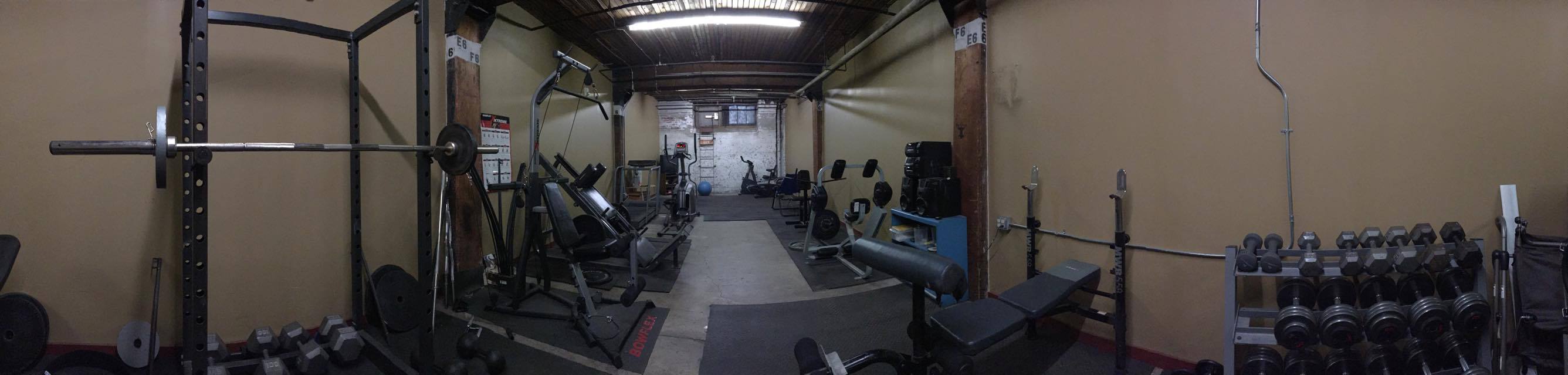
10380095_832483896815044_5817914915506078427_o

In the gym. To go back to the 2010-2012 period, it was easy to see the gains in my shooting skill. I went from C-class to A-class pretty quickly, because I was spending 4 hours a week at the range shooting free ammo, taking classes from great trainers, etc. It was awesome. Once I hit A-class, I hit a plateau, and while it’s still quite possible to make skill gains, the effort that I have to put in to get there has increased. I still like shooting, but it’s part of my job now. On the flip side, working out is still fun, because I’m basically a C-class fitness bro. I can see regular increases in the weight I’m pushing and see shrinking times on my runs, and that tangible progress is fun to chase.

2. What’s your favorite gun that you’ve shot/tested this year?
Well isn’t that a loaded question, now. I’ll stick to handguns, because I spent the most amount of time on them. If I had to pick one gun that I really, really loved, it wouldn’t be a new one, it would be the Beretta PX4 Storm Inox I shot at Bianchi Cup. After changing the mainspring to a D-spring from a Cougar, the gun’s trigger is just sick, it pulls at like 6 pounds in DA and 3ish in SA.
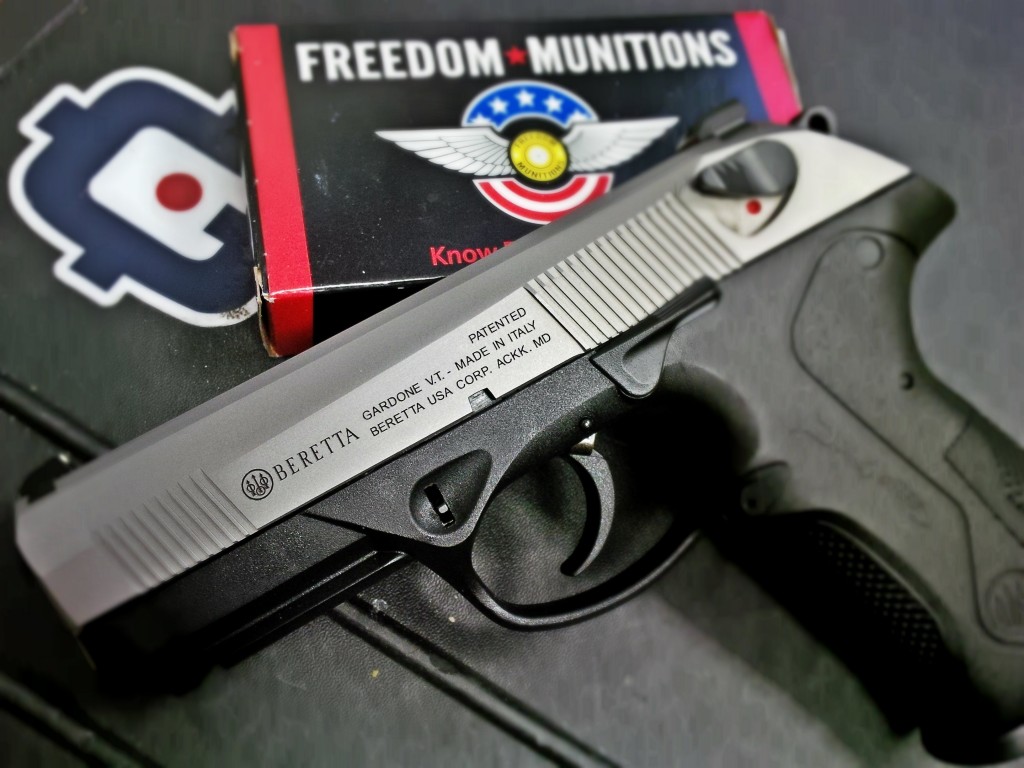
px4 storm photo of the day

The gun that I think has the most potential to be a market success is the HK VP9. It’s a great striker fired pistol, and it does everything you need in a gun with none of the silly fru-fru that you’re seeing on other guns. It just works, it’s accurate, it’s easy to shoot well, and the price point is right where it needs to be for HK to sell every single one of them.

My biggest handgun regret? That I didn’t get more trigger time on the Sig P320. That also looks like a great gun with a ton of a potential.

3. You mentioned something about taking most of 2015 off from shooting matches. Why?
I can’t tell you yet. I have some plans for 2015 that are going to be pretty awesome, and generate a ton of great content for the blog. But for right now, they’re still under wraps.

If you have any questions, let me know in the comments!
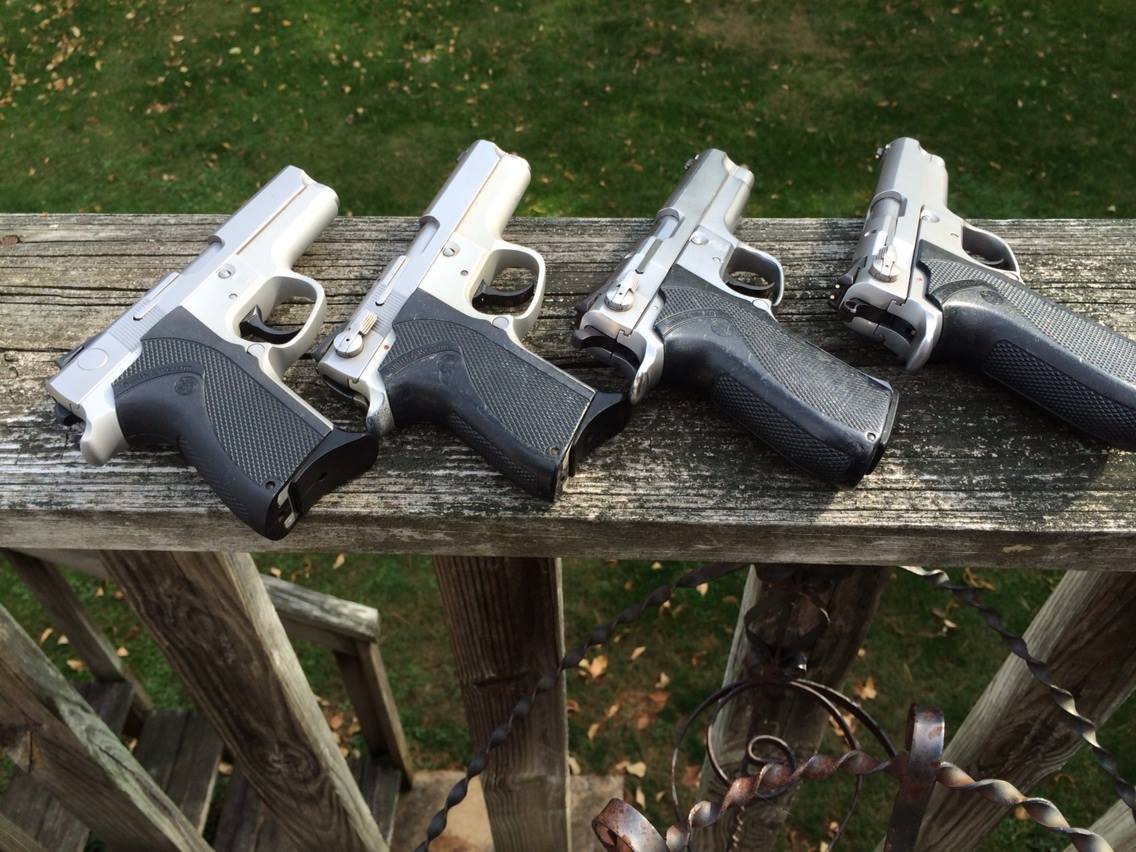
The 3rd Generation S&W Semi-Auto

If you pay attention to Gunbroker or to the inventory of various shops and distributors you might have noticed that there’s been a sudden uptick in relatively inexpensive Smith & Wesson 3rd generation semi-automatic pistols available for sale. Many of these are trade-in guns from various police departments who issued the weapons for a number of years.

In the revolver days, Smith & Wesson owned the largest chunk of the market for police sidearms in the United States. They owned a pretty big chunk of the police market overseas too, as a number of foreign police agencies issued S&W revolvers. In the early to mid 1980’s a spike in drug and gang related crimes combined with the aftermath of the Miami Shootout left police departments seeking to upgrade to sidearms that had higher capacity. Everybody knows about the Beretta 92 because the US Military adopted the weapon and very high profile departments like the LAPD started issuing the weapons to replace the S&W revolvers that had been standard issue since shortly after the turn of the century. Action movies and TV shows of the day often featured the good looking Beretta 92 in displays of gratuitous violence. The P220 and P226 from Sig Sauer (imported under the Browning label at one point and later by SACO defense and Interarms prior to Sig USA being established) saw significant adoption and some screen time, too.

Smith had been producing semi-automatic pistols for a long time and had some limited adoption of them, but in the mid to late 80’s as the semi-auto became the standard they offered a bewildering assortment of handguns to suit practically any taste. The “3rd Generation” semi-autos were available with different frame materials, in traditional DA/SA function, DAO function, and even SAO function. The DA/SA models could be had with de-cocker/safety systems, or in de-cocker only form. The pistols could be had in 10mm, .45 ACP, .40 S&W, 9mm, and even a few in oddball semi auto calibers like 9x21mm or .38 spl. This was all accomplished with an almost incomprehensible series of model numbers that even folks who paid attention have a hard time keeping straight.

The 6946, 6906, and two 5906 pistols.

After a detailed analysis of the Miami Shootout, the FBI famously flirted with the 10mm cartridge paired with all-steel 10mm handguns manufactured by Smith & Wesson. The decocker-only configuration specified on those pistols proved to be problematic and the FBI also found that a full-power 10mm cartridge even in a big steel gun proved to be more than many agents could handle. A number of other police departments issued or authorized S&W pistols then and some still do today. The NYPD and Chicago PD authorized/issued DAO Smith & Wesson pistols for a very long time. The LAPD authorized the big 4506 for officers looking for more power than they had from their standard issue Beretta 92 pistols. The California Highway Patrol issued the all-steel 4006 for an extremely long time, well beyond the point at which S&W had tried to discontinue production of the rather expensive to manufacture 3rd gen pistols in favor of the new M&P range of pistols.

The service record of the 3rd gen S&W pistols was pretty good, for the most part. Pistols like the 4506, 4006, and 5906 proved to be very durable over the long haul and managed to keep working even when pretty poorly maintained. The S&W 3913 was one of the best concealed carry pieces ever made and to this day is revered and in high demand by those looking for the pistol’s blend of compactness and power. Smith & Wesson has transitioned to the M&P line of pistols as much as possible because making guns like the 3rd gens is an absurdly expensive proposition in today’s market. The cost and complexity of taking a roughly frame-shaped ingot of steel or aluminum and machining it for a few hours to whittle away 70-80% of the material and produce a frame isn’t sustainable in a world where there are companies injection molding plastic in a couple of seconds.

Despite being more expensive to manufacture and more difficult to maintain, the 3rd gen guns are still damn good guns. The trade-in guns now hitting the market can be had for a pretty reasonable price in most instances, and while the exterior of the pistols look rough from years of being banged into stuff while riding in police holsters most of them are still in good functional shape. The durable workhorse 5906, an all-steel double-stack 9mm pistol, can be found in trade-in condition in the $300 range these days which is a stupendous deal if the gun’s internals are in good shape. The all steel Smith & Wesson handguns have major components that can withstand some truly amazing round counts if sensibly maintained.

If someone is looking for an affordable pistol suitable for self defense one of these Smiths could be a pretty good option. There are still plenty of holsters and accessories made for the pistols and spare parts are still available to support them for a good while. For the money it’s hard to think of anything else that really comes close to a good example of a S&W trade-in.

St. At Arms Kevin Vickers with the DAO S&W 3rd Generation semi auto he used to put down a terrorist who attacked the Canadian parliament.
Sgt. At Arms Kevin Vickers with the DAO S&W 3rd Generation semi auto he used to put down a terrorist who attacked the Canadian parliament.

Even the rough exterior doesn’t have to be an obstacle. The 3rd generation S&W’s can usually be refinished pretty inexpensively. In the case of the all stainless steel guns simply bead-blasting the guns leaves them looking as good as they did when they first left the factory if not even better. A number of S&W collectors have been happily buying up guns and restoring them to like new condition…which means that the current rock-bottom prices are probably not going to last very long.

Personally I think the 3rd gen S&W’s are underrated guns. They found their way into a lot of police holsters where they offered very good service for a long time. They might not be the “sexiest” of handgun options on the market today, but if you’re looking for something good and relatively cheap to keep handy in case of Zombie Apocalypse or something, it’s hard to beat ’em. They’ve done a lot of good work over the years…and as Kevin Vickers so ably demonstrated in Ottowa a couple of weeks ago, they’re still more than capable of getting the job done.


AR15s are not finicky maintenance queens

A lot of people on the internet have this idea in their heads that AR15s are these finicky, maintenance queens that need to be constantly cleaned and scraped free of any bit of debris lest they suffer a catastrophic malfunction. There are lot of reasons why people think this, but suffice to say it’s not true. Our buddy John from Ballistic Radio, with the help of Knight’s Armament and Freedom Munitions decided to show you how not true that was, so he shot 15,000 rounds through an AR15 without cleaning it, then dumped an entire bag of sand on it. (some NSFW language, so use your headphones)

KAC SR-15 MOD2 Sand Dump Test AFTER 15,000 rounds without cleaning… from Ballistic Radio on Vimeo.

Continue reading →

“Just shoot him a little bit”

“Why didn’t the cop just shoot him in the arm, or the leg?”

If I had a dollar for every time I’ve heard or read something along these lines after an LE or self-defense shooting, I would actually have a pretty decent amount of money. Once again, we find Hollywood and pop culture has completely ruined the common person’s perception of how guns work and what they do. Most people have no idea what a police use of force doctrine looks like, and for this post I’m not going to go into all the nuance. We are going to focus on deadly force, which is what the gun represents.

skull with bullet hole

First, let’s talk about the physical act of shooting stuff. Fact: it’s harder to hit a small target than a large target. This is why police officers are trained to shoot for the center of (available) mass. That means you shoot for the biggest part of whatever’s available to your vision. If that target is an unobstructed person, that center of mass is going to be the chest and upper thoracic cavity. That will be an easier target to hit than the arm or the leg.

Building on this the reason officers are trained to shoot for center of mass is because of how the body reacts to bullets and the goal of any use of force incident. The goal of the officer (or armed civilian) when using a gun is to get the bad man to stop being bad as fast as possible. Because of how the body works, there are only two ways to shut it down, via either an electronic shutdown (hit to the brain or central nervous system) or a hydraulic shutdown (loss of blood pressure due to hits to major organs/arteries). There is a third kind of stop, which is psychological. This occurs when someone gets shot, realizes they’ve been shot, and decides that they’ve had enough of whatever caused the shooting to start and then proceed to cease and desist being naughty. Psychological stops can occur with non-fatal wounds from small calibers, or from mortal wounds with serious calibers. They are also not reliable, which is why the police and armed citizens are not trained to rely or even prepare for these sorts of things.

Now that we understand what stops a fight, we can go back to the concept of shooting center of mass. It is an unfortunate side effect of the way our bodies are designed that the fastest way to shut a person down is to shoot them repeatedly in the chest. There is a lot of important stuff in there that’s full of blood, and putting holes in that stuff is the most reliable way to stop bad people from continuing to act badly before we or others suffer terrible harm from their actions.

Next, we have to understand what happens when you shoot someone in a part of their body that’s not the chest or head. First off, there is a very good chance that without immediate medical attention, they will die. Shooting a person in the leg runs a very serious risk of hitting the femoral artery or the femoral vein. Hitting either of those with a bullet will cause rapid and extremely dangerous blood loss, more with the artery than the vein. Even lower leg shots aren’t a safe bet, because the anterior tibial artery and the great saphenous vein are in the lower leg. So what about shooting a person in the arm, or the shoulder? Well, up there you have the brachial artery, the axiliary artery, and the subclavian artery. There are also large veins in that same area.

The reason we need to understand that is to know that real bullets don’t work like they do in Hollywood. In TV and movies, bullets either cause minor, insignificant wounds, or instant, hot death. In reality, they frequently do neither. In fact, shooting a person in the arm or the leg is the worst sort of way you can shoot them – you are still running a very serious risk of killing that person and have used deadly force, but you have not shot them in a place that is likely to cause rapid incapacitation. Which is another reason we don’t do it.

Let’s sum everything up, now. The reasons that armed citizens and the police do not shoot people in the arm, the leg, or the gun hand when deadly force is justified are these:

  • It does not produce reliable, rapid incapacitation
  • It has a high possibility of maiming a person or causing an extremely painful death
  • It is a much tougher target to hit under extreme stress

So the next time someone says to you “he should have shot him in the arm/leg” what they’re really saying is “he should have horribly maimed and possibly crippled him for life.” That’s an awful thing to say, and just because it’s coming from a place of ignorance doesn’t make it okay.

Let’s talk about handgun stopping power

We’re going to open with a quote:

“…there is no appreciable difference in the effectiveness of the 9 mm and the .45 ACP cartridges.”
Vincent J. M. Di Maio, GUNSHOT WOUNDS: Practical Aspects of Firearms, Ballistics, and Forensic Techniques SECOND EDITION, Page 150.

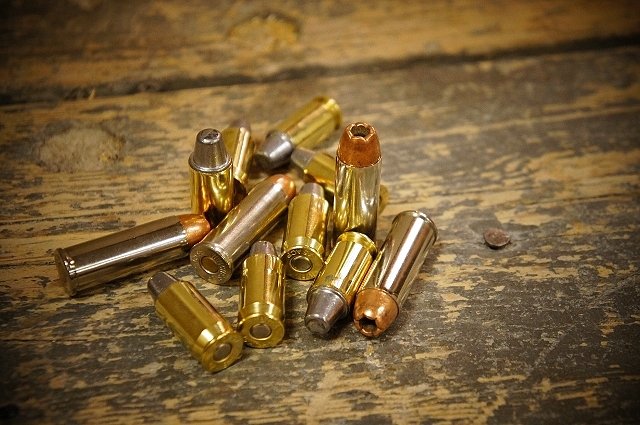
45s

The reason why I open with that quote is because it goes to a point I’ve wanted to make for a long time. When you tell someone that they have to carry a .45 or a .40, you’re creating a mindset that sets that person up for failure. “You have to carry a .45 because it has more stopping power” – well that’s great, but I’m issued a 9mm for work; does that mean I’m going to get killed because of my duty gun caliber? That mindset of failure isn’t a problem for experienced, talented shooters, but imagine someone is a new officer, with minimal firearms experience. It can absolutely create problems.

I mentioned on Friday that if I could kill one gun myth, it would be that the AR15 isn’t reliable because “it shits where it eats” as a DI gun. I thought about that a bit longer, and realized that what I really wanted to kill was the myth of handgun stopping power. If you’re talking about service cartridges like the 9mm, .357 Sig, .40 S&W, or .45 ACP, they all do the same thing. Even the legendary .357 Magnum in modern loadings isn’t going to blow a man up into a shower of sparks. Yes, when you start getting into heavy magnum loads for rounds like .44 Magnum or some of the crazy magnums things change, but that’s not what we’re talking about. We’re talking about practice service pistol cartridges.

So the question is why do people get so invested in handgun caliber wars? Because for most people guns aren’t a dispassionate purchase. In a perfect world, every gun selected for self-defense would be selected as free from bias as possible, but evaluating only the objective good and bad features. Unfortunately, that’s not usually how these things work, and people will let their feelings drive choices for the self-defense guns. Honestly, that’s not a bad thing when you’re picking between say, a Glock 19 or an M&P9, and decide on the M&P because you like the way it “feels” in your hand. Or if you’re choosing between a Beretta or a Sig and go with the Beretta because it looks cooler. Where the feels become problematic is when it drives self-defense purchases to do things that, for lack of a better term, aren’t smart. Like buying a gun from a sub-par company.

There’s a place for feels in gun purchases. I own a lot of guns because I like them, even if they’re not practice. For example: basically every revolver is not as good as a carry gun as a semi-auto. It’s just true. And I will often let my feels drive me to carry a wheelgun, because I like them more and as such am more likely to train with a wheelgun. I’m not immune to this by any stretch. That’s what causes caliber wars as well – people make emotional investments in their self-defense purchases, which is why some people react poorly when you tell them the fact that .45 doesn’t have any more “stopping power” than a 9mm. It’s not a rational thing, it’s an emotion thing.

They’re not hearing “All service handgun calibers are equal so it doesn’t matter what you carry,” what they’re hearing is “you made a bad choice and are wrong and dumb” regardless of whether or not that’s what is being said. When I carry a semi-auto, I carry a 9mm. I have in the past carried .40s and .45s as well, but anymore I just carry a 9mm because it’s easier to shoot well and holds more bullets. That’s if I’m not just being lazy and carrying a j-frame in a pocket or something, which honestly happens quite a lot. But even then I’m starting to carry my j-frame less and carry my Shield more…because for the same footprint I get 3 more rounds.

The bottom line of this post is simple: caliber wars are stupid. If you believe that your .45 is going to magically put a guy down harder than a 9mm, you’re wrong. It’s not. It’s just another tiny handgun bullet, and they’re all really not that great anyway. So instead of worrying about how hard your bullet hits, go to the range and get some trigger time in. It’ll be a better use of your time.

The 5 Most Overrated Guns of All Time

There are guns that are truly great and will stand the test of time. The 1911, the Glock 17, the AR15, the M1 Garand. Legends, and rightfully so because they’ve earned their place in history. Some guns served on the wrong side of wars, but represented innovations like the Walther P38 or the STG44. But what about guns that everyone says are great, but are actually kind of terrible? Some are propped up by lingering nostalgia, others are popular because of their price point, but for whatever reason, people love them…even if they’re not very good. So get out your stadium hats and start chanting with me: “OVER-RATED! OVER-RATED!” as we look at the 5 Most Overrated Guns of All Time.

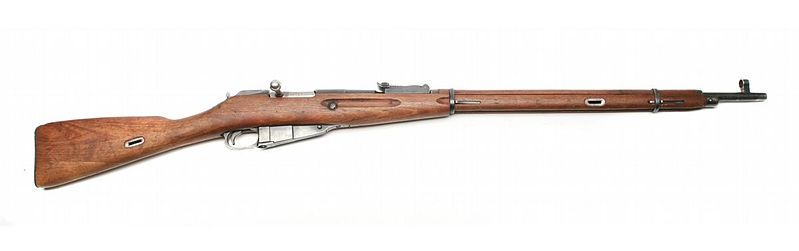
mosin nagant

5. The Mosin-Nagant
If I’d written this list 7 years ago, this entry would have gone to the SKS; but as prices have climbed, the SKS is no longer the darling of the TapCo catalog, it’s simply another $250 C&R rifle. The Mosin-Nagant on the other hand? Well it’s now number 5 on this list, because it’s adored by an entire generation of internet fanboys who are too poor to buy a proper rifle, and can’t appreciate a $100 C&R gun for what it is. “If I put $400 worth of crap on my Mosin, it’s just as good as a Ruger American Rifle!” No, you fedora wearing neckbeard, it isn’t. It’s a $100 C&R rifle that’s fought itself in every major war since WW1 and lost every time. But that’s not good enough, because people need to justify their purchases, so instead of just enjoying it, these spazoids have to pretend that they’ve bought a WW2 sniper rifle while they watch Enemy at the Gates for the 3,299th time in their mother’s basement.

Continue reading →

Wilson Combat Beretta 92G Brigadier Tactical

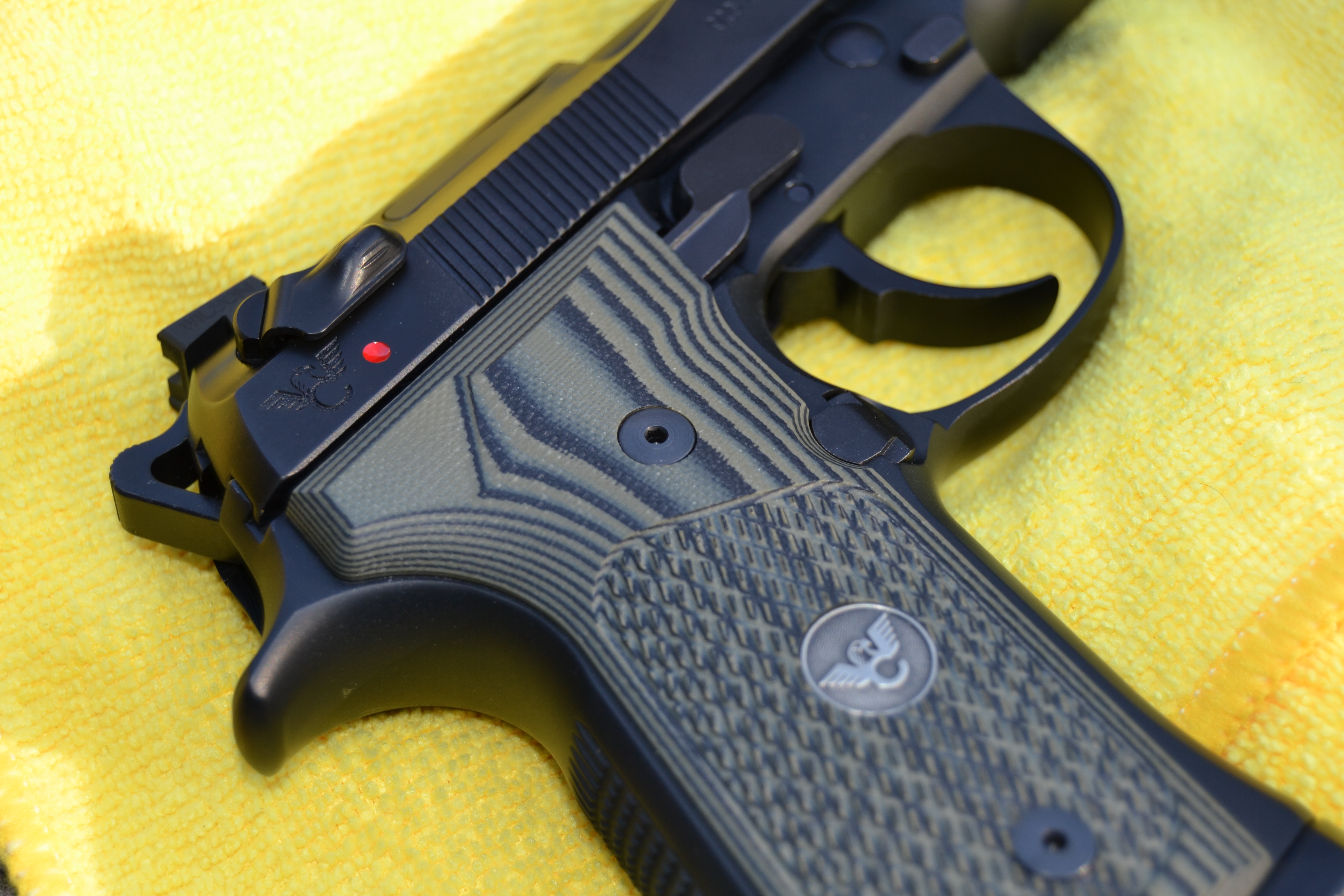
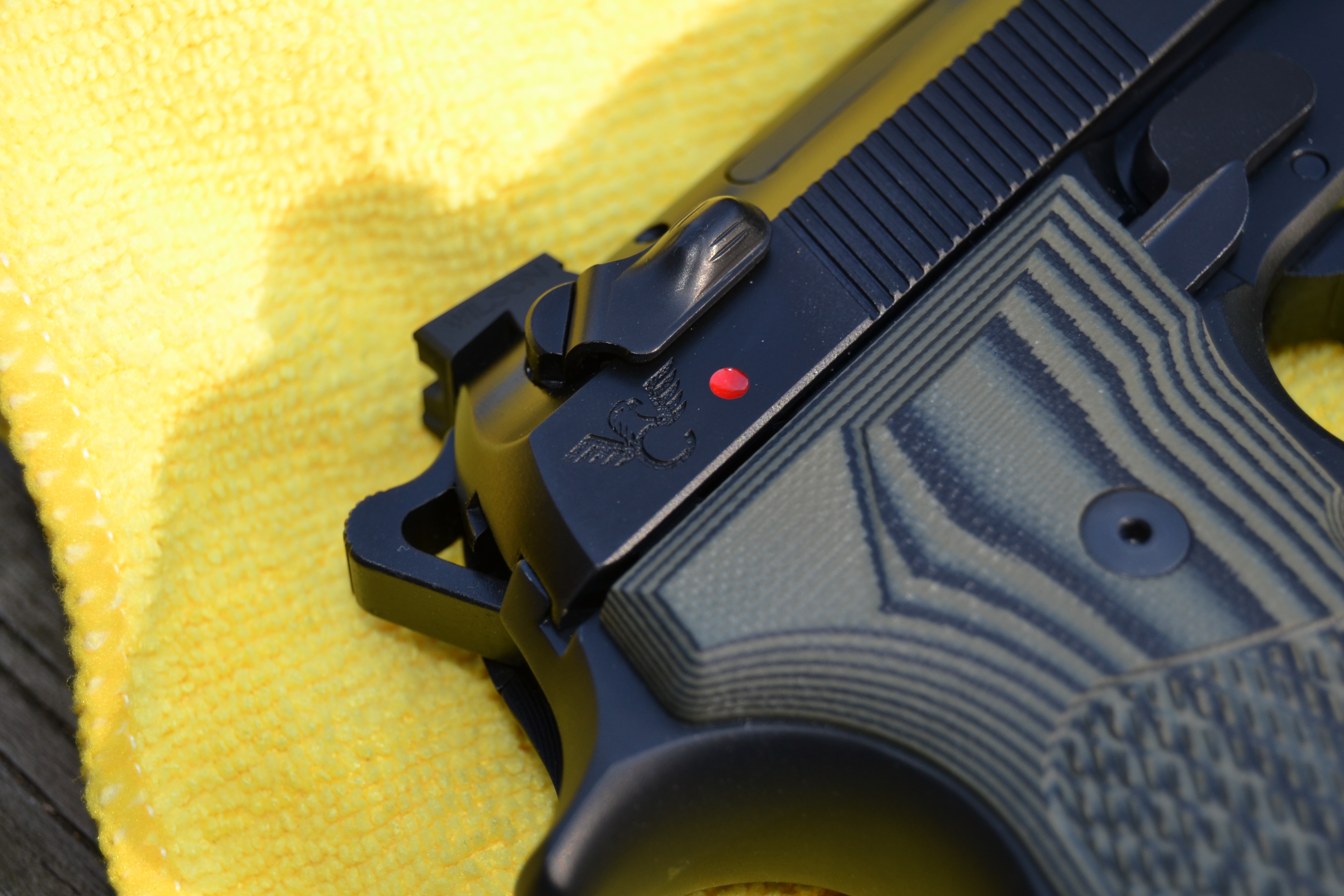
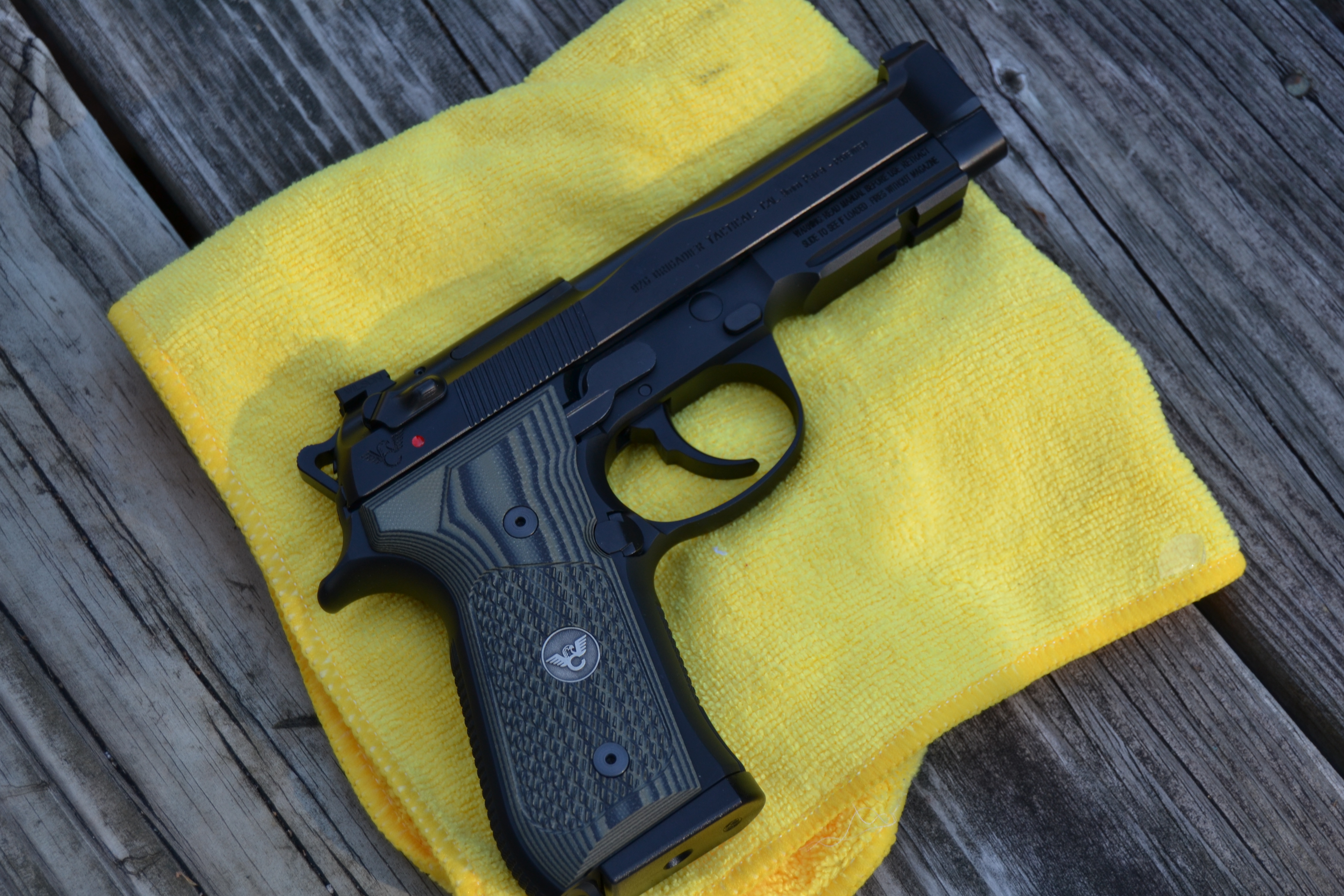
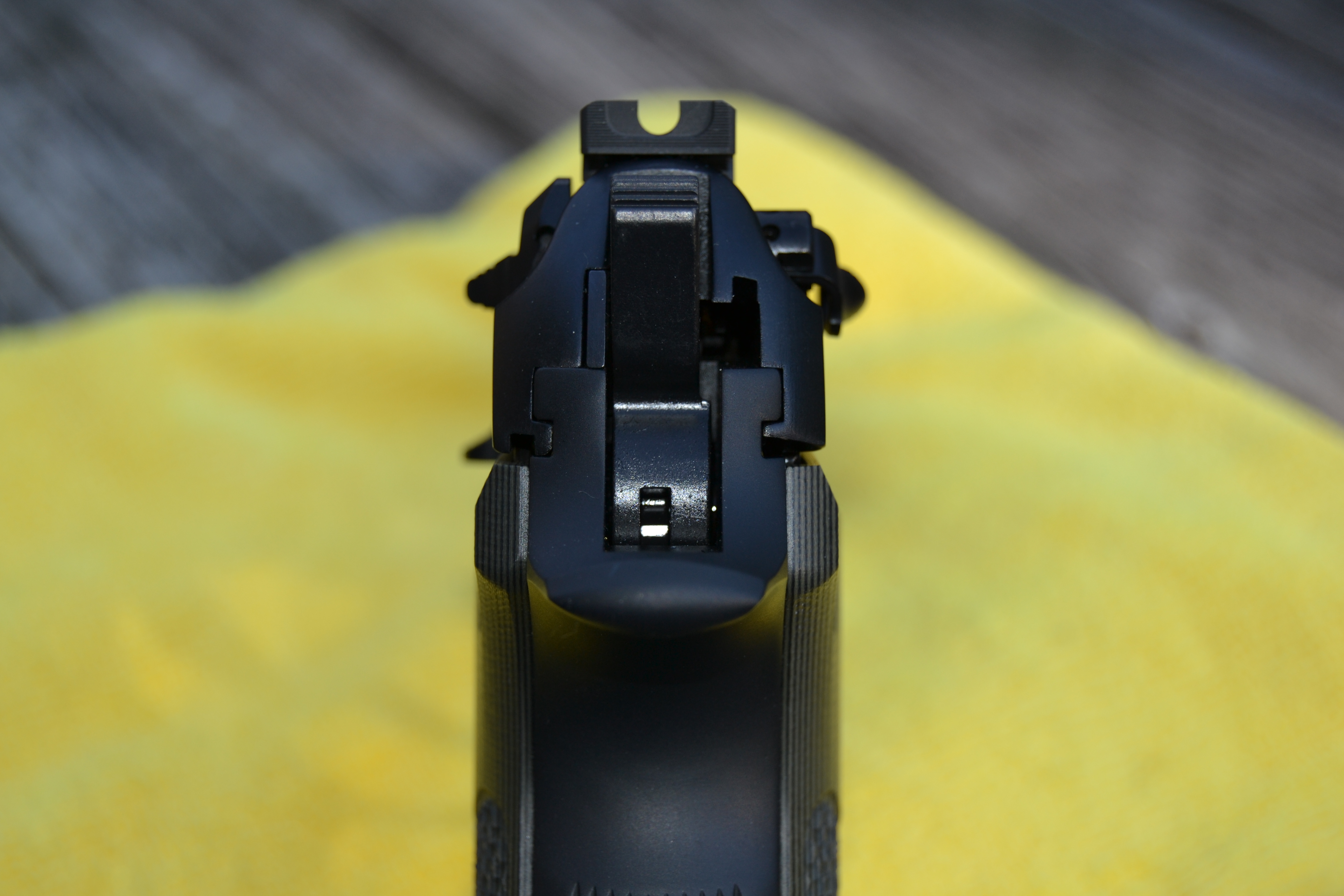
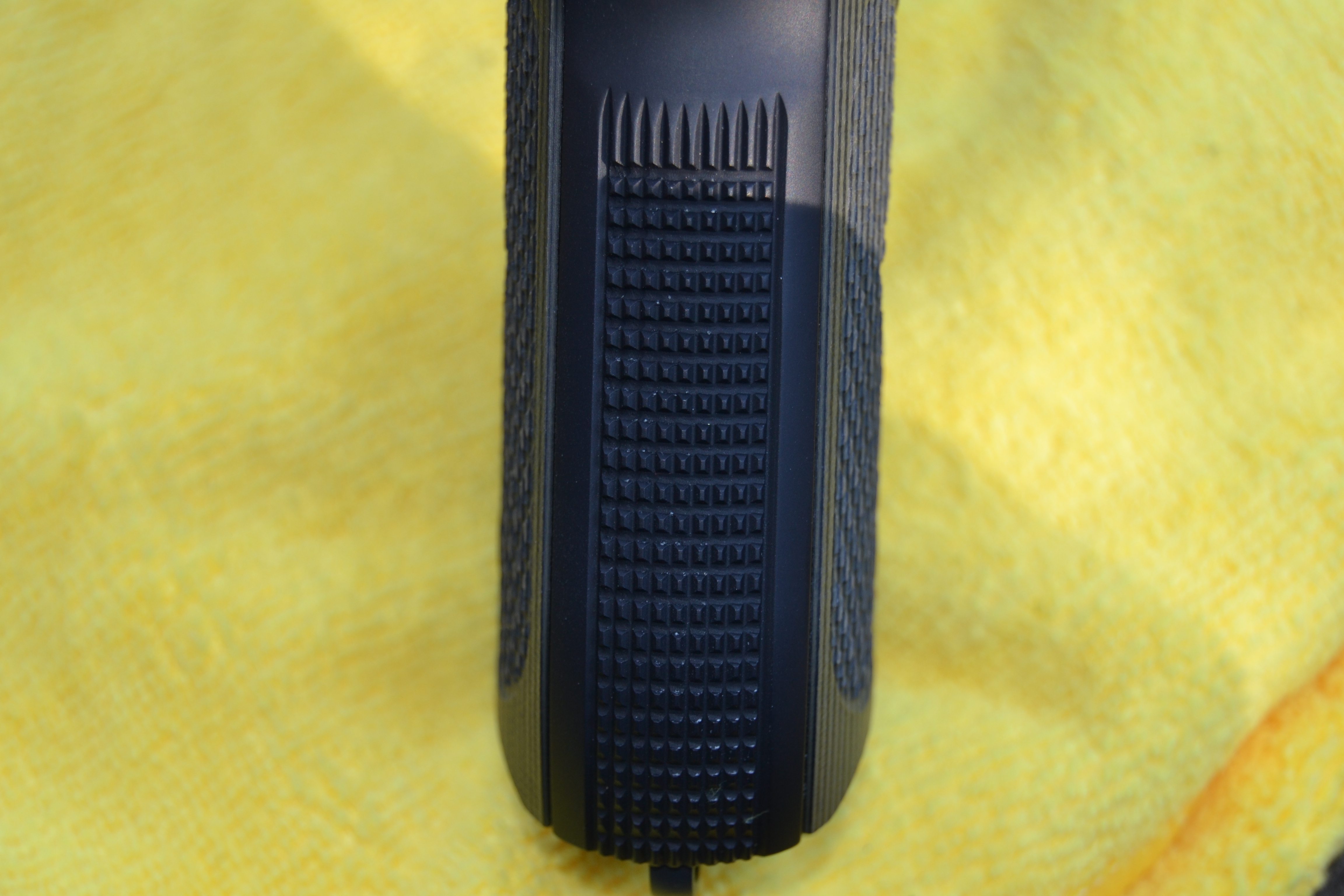
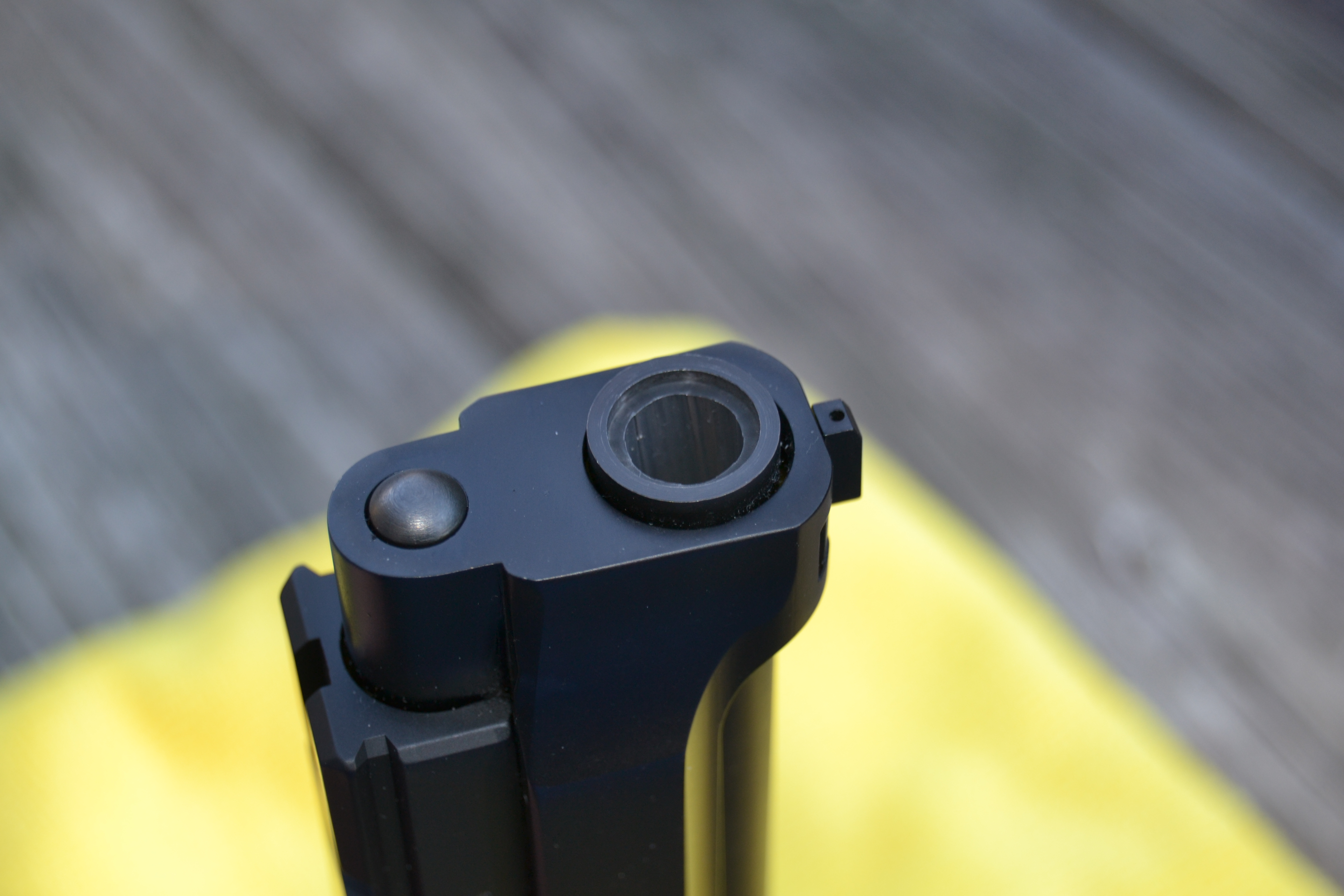
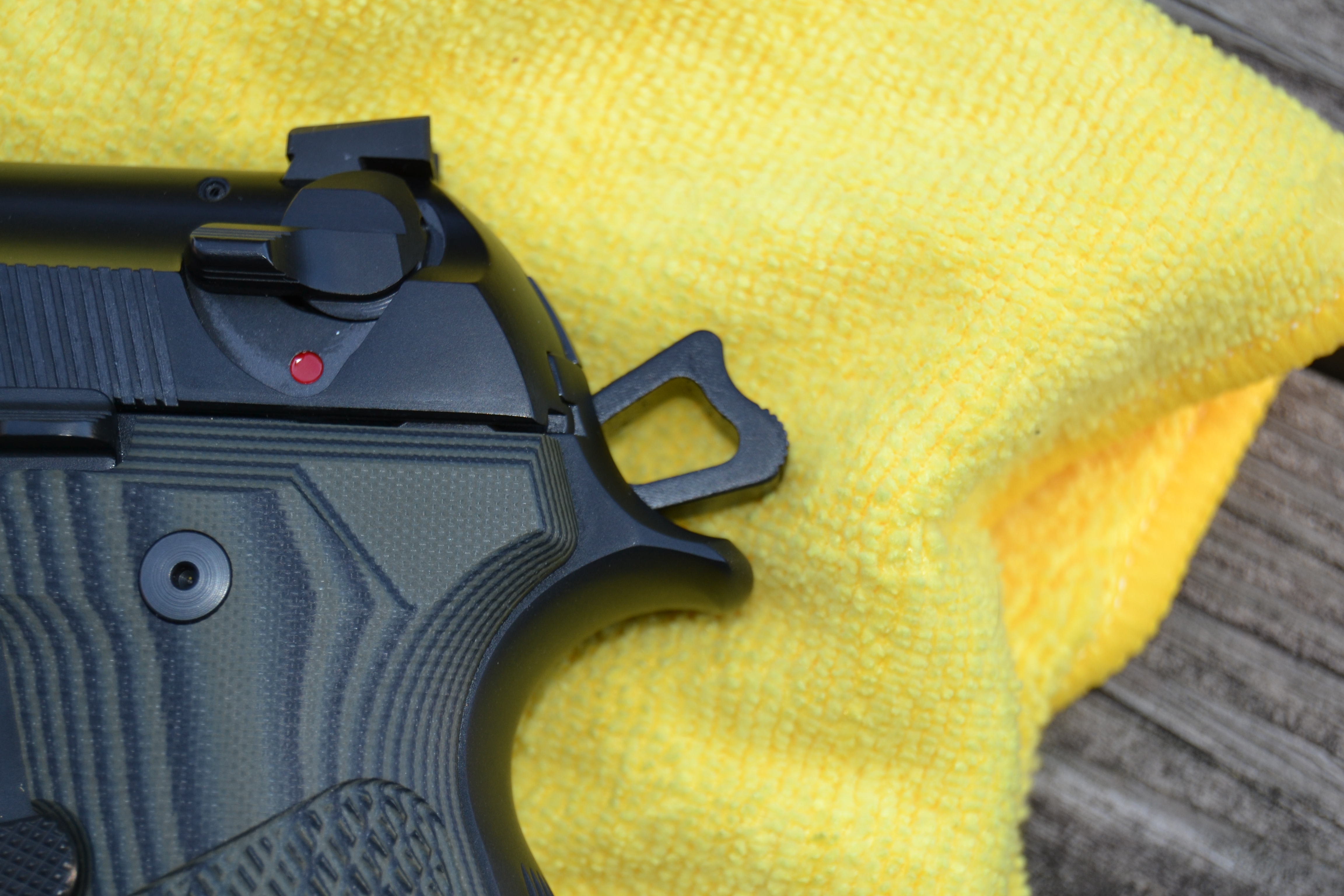
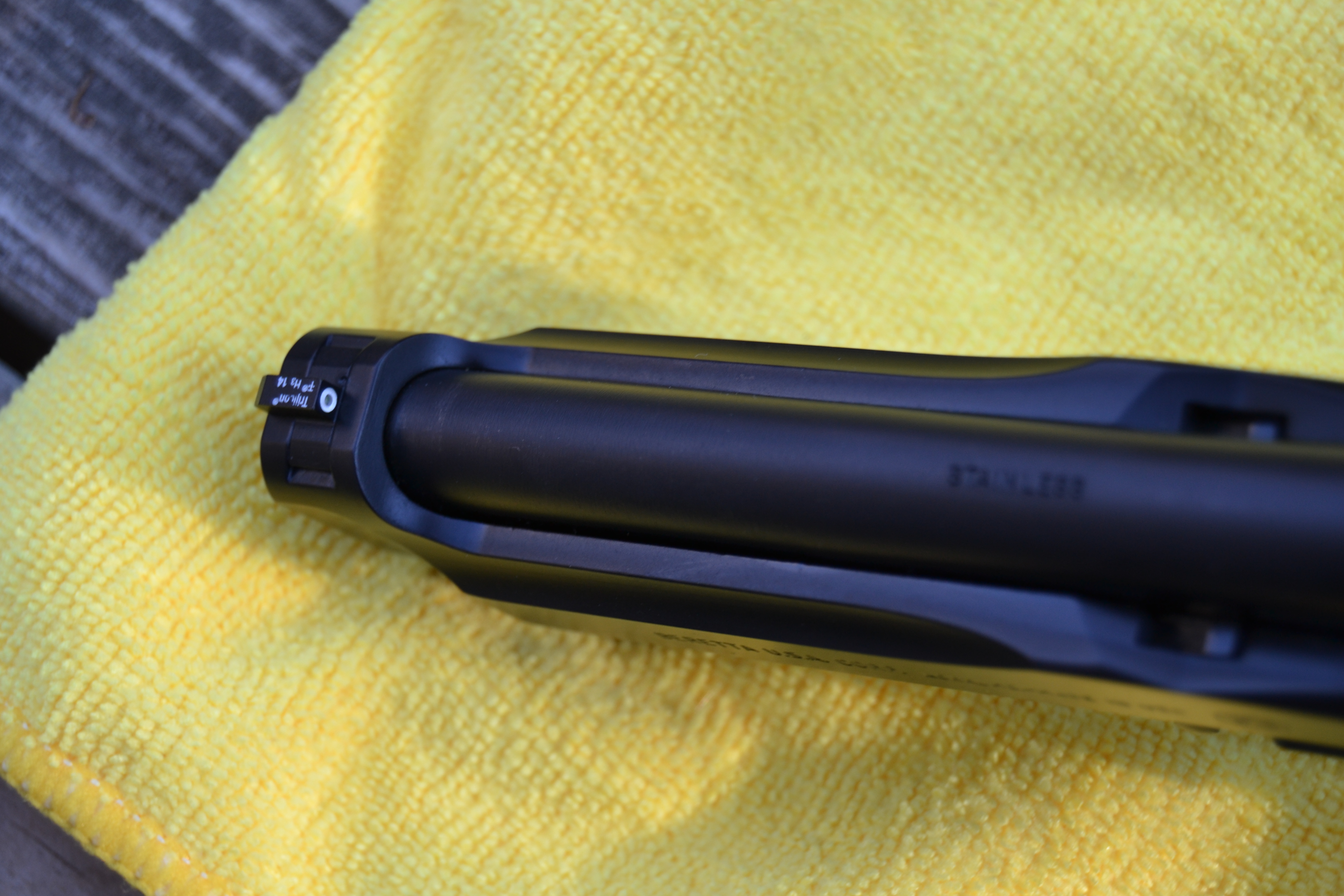
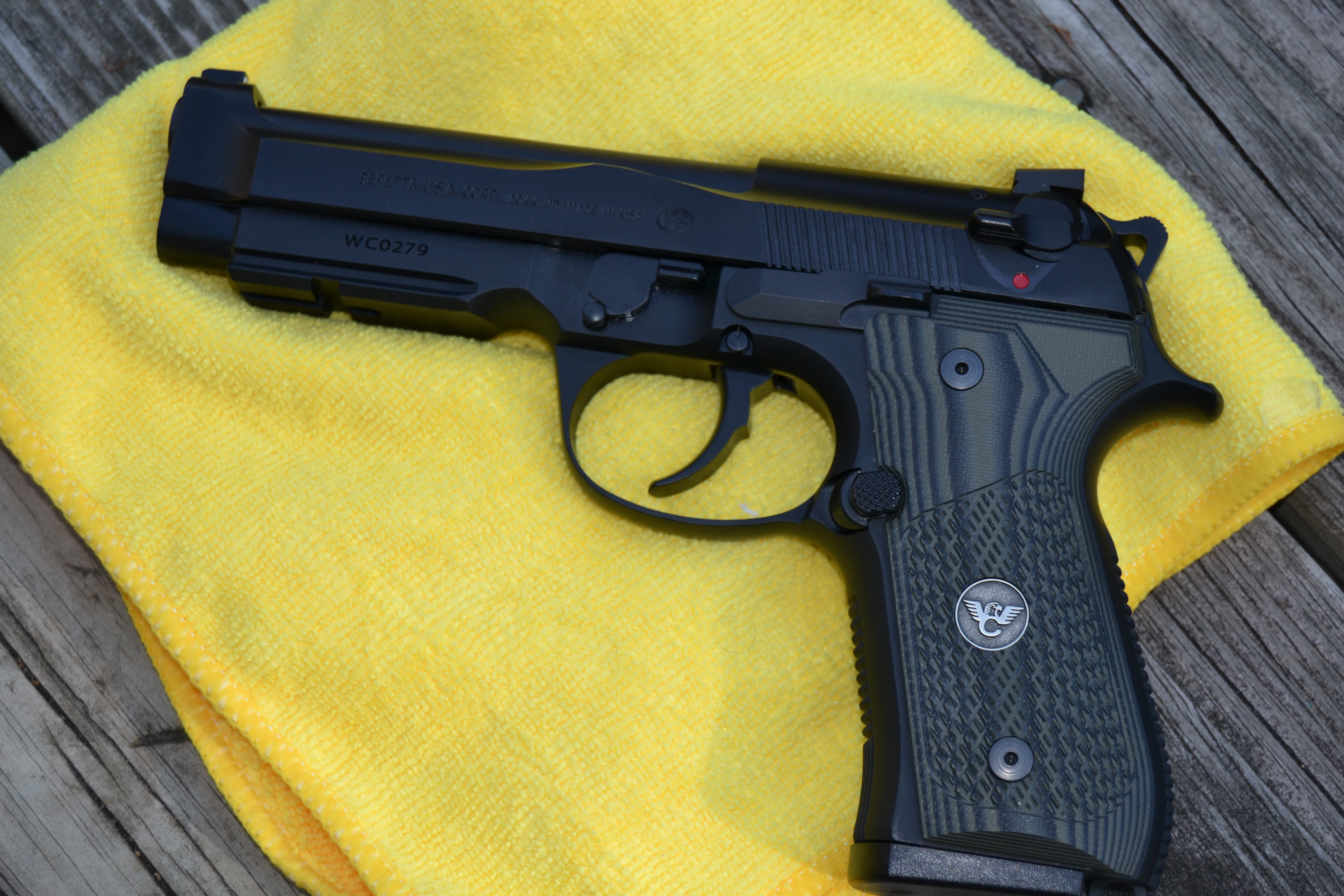
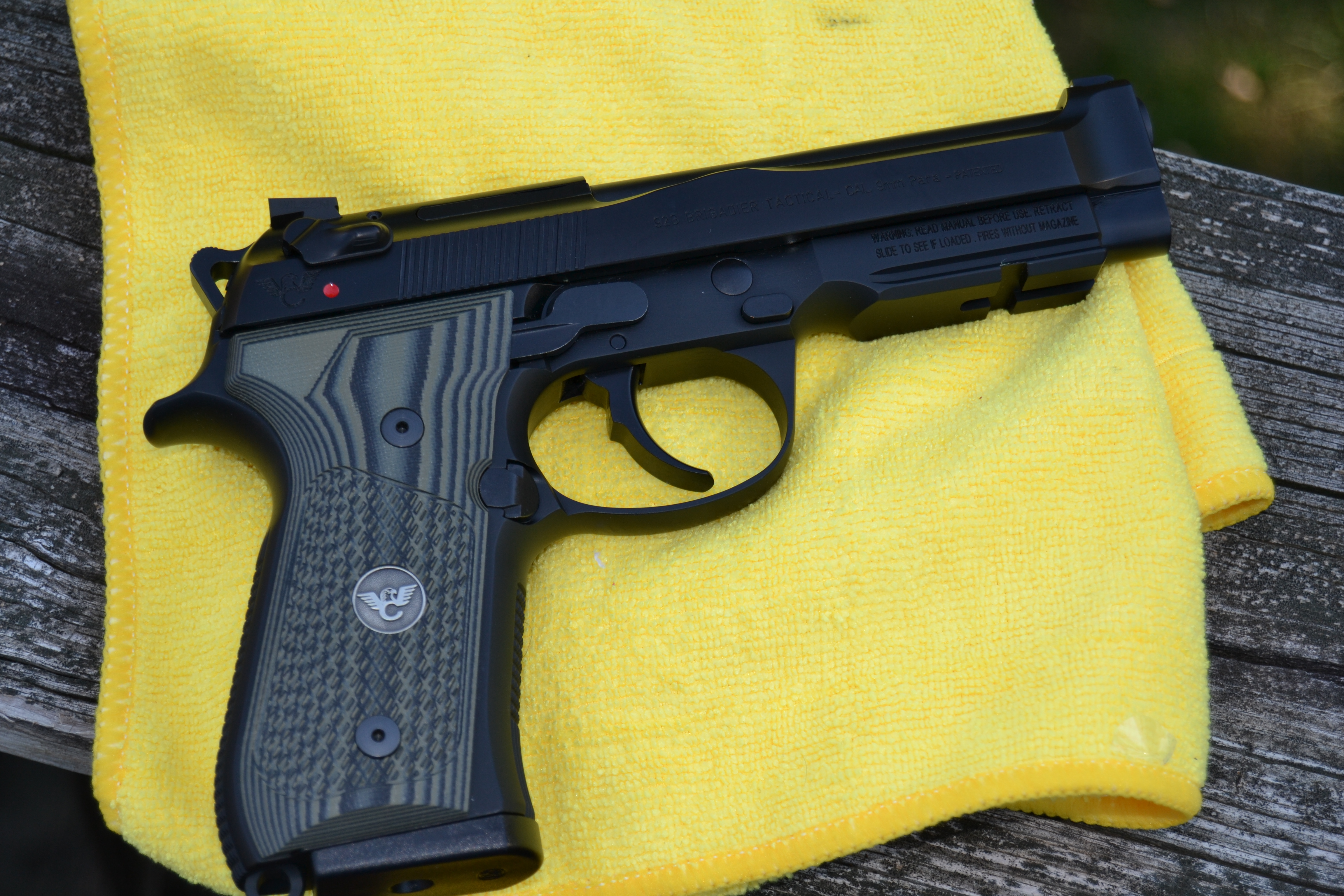
DSC_0584 If you remember back to March of this year, we brought you the announcement that purveyors of 1911 excellence, Wilson Combat, had teamed up with Ernie Langdon to begin offering gunsmithing services on the Beretta 92 family of auto pistols. Bill Wilson, the founder of Wilson Combat, has apparently been a fan of the Beretta 92 pistol for quite some time and wasn’t content to offer gunsmithing services on the 92 family…he wanted a Beretta built to his specifications. So he called up Beretta and ordered 1,000 pistols built his way, including using parts Wilson manufactures for the 92 series pistols.

It’s a fairly unusual thing for a relatively small custom gun maker like Wilson Combat to team up with one of the heavy hitters in the industry to produce a gun. I can’t really think of any other examples of this kind of venture off the top of my head. The fact that Beretta was willing to build this gun to Wilson’s spec says quite a bit about the company and the people involved in the effort.

The announcement in early November generated a lot of buzz on forums and social media…and a lot of sales, too. The first 250 guns sold in less than 48 hours. Why, you may well ask, would people be in such a hurry to buy this pistol? DSC_0576

The simplest way to put it is this: This pistol is like a greatest hits edition of the Beretta 92, built to the highest standard possible. The feature list includes:


  • M9A1 frame with 92A1 round trigger guard profile and improved checkering
  • Dehorned 92G Brigadier slide
  • Enhanced slide to frame fit
  • Trijicon tritium dovetail front sight
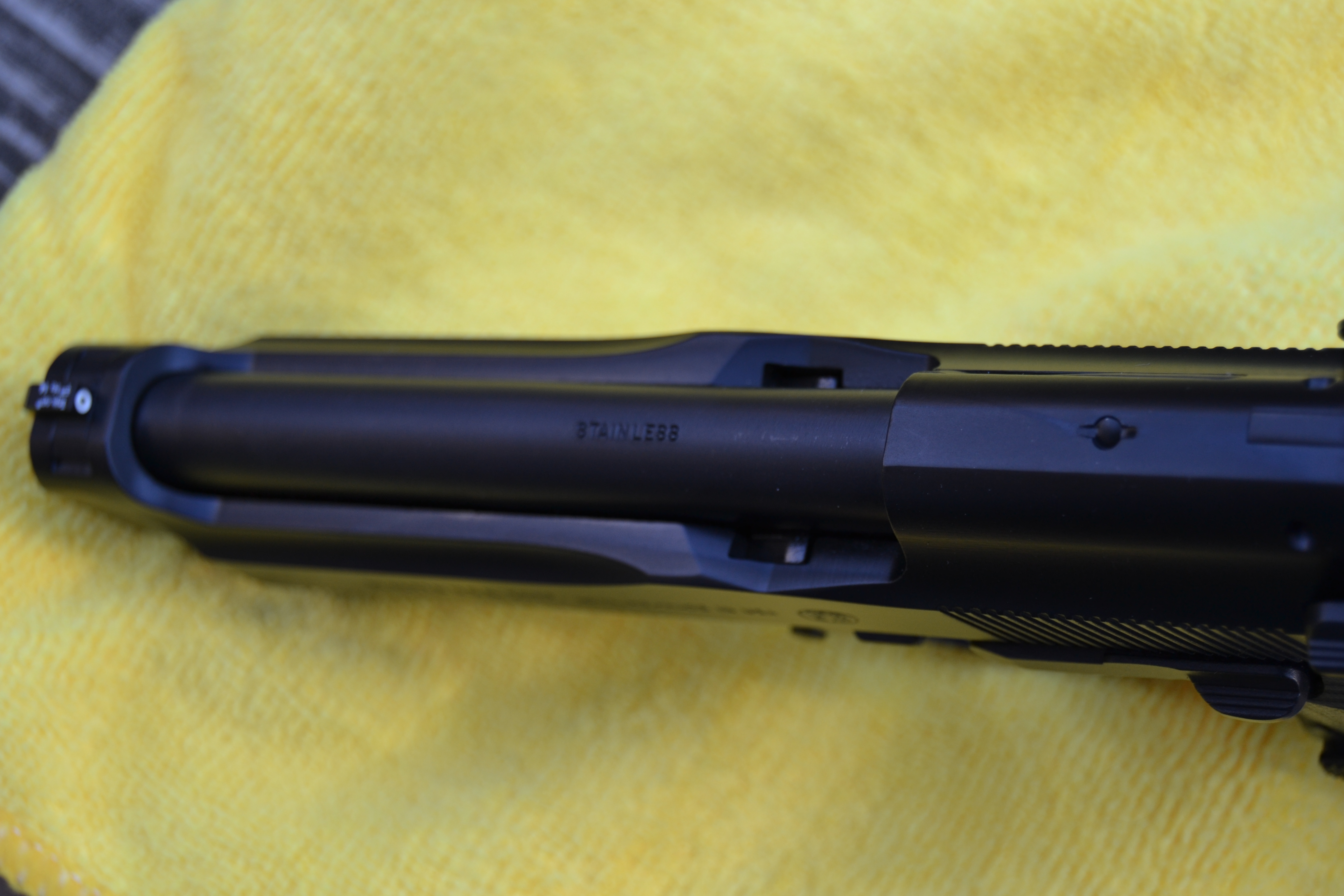
  • Stainless barrel with recessed crown, 4.7” Elite II length, black finish
  • Oversize steel magazine release
  • Steel de-cocking levers
  • Skeletonized Elite II hammer
  • D hammer spring
  • Lanyard loop pin
  • Lanyard loop, aluminum
  • Steel trigger
  • Wilson Combat rear u-notch battlesight
  • Wilson Combat fluted steel guide rod
  • G10 Dirty Olive grips with Wilson Combat logo medallion
  • Wilson Combat logo on slide
  • 3 15rd M9A1 Beretta sand resistant magazines

Of particular interest to those who know the Beretta 92 are the spec for a tighter lockup, the use of a “Brigadier” slide, the inclusion of an Elite II style barrel, and the “G” de-cocker only configuration. That combination of features is impossible to find even among Beretta’s discontinued models. As an example, it’s only in the last few weeks that Beretta has brought “G” model 92 pistols back to the market after a very long absence.

The heavy "Brigadier" slide is cited as "bulletproof" by Bill Wilson.
The heavy “Brigadier” slide is cited as “bulletproof” by Bill Wilson.

Seeing the buzz and the speed with which these guns were selling and reading the specs convinced me to place an order. Pretty soon WC0279 arrived at my local FFL and I was able to go hands-on with the what is claimed to be the best Beretta 92 ever built. It’s difficult to say this without sounding like a cliche, but the gun just “felt” right in my hand the second I picked it up. The fit of the slide and frame is as tight as advertised, and ditto with the lockup. The store happened to have a couple of other Berettas in the case so I took the occasion to compare, and the fit and finish on the Wilson Beretta was indeed superior to those specimens and to the two Beretta pistols I already owned.

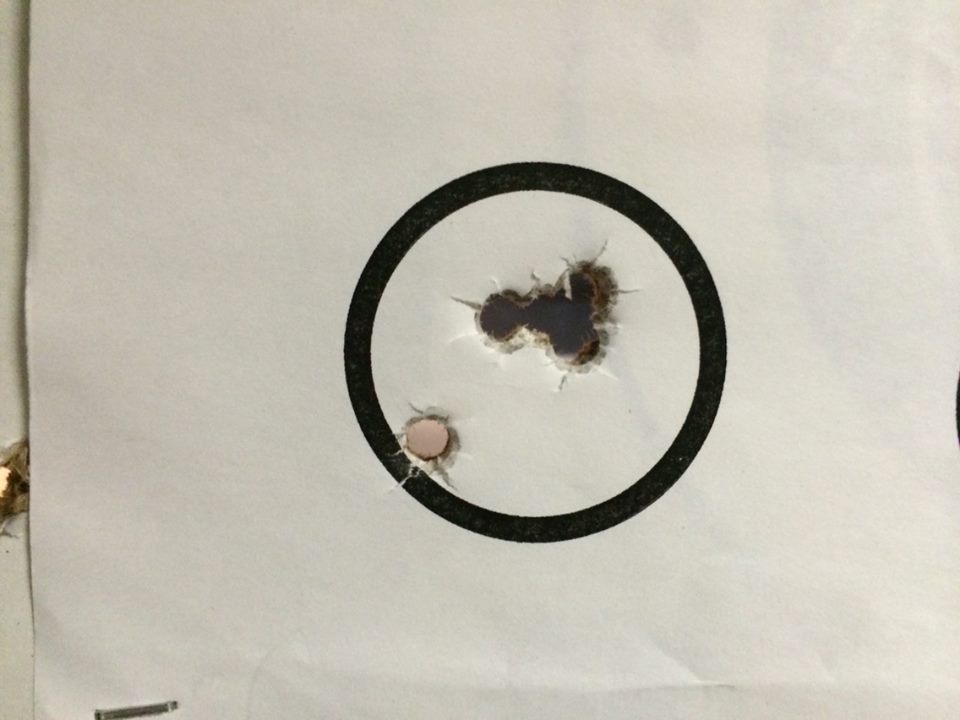
5 shots of Federal HST 124 grain +P ammunition at 25 yards from a rested, seated position. Not too shabby.

Of course, gunstore “feel” doesn’t really tell the tale of how the gun will perform for you. To figure that out you need to go to the range. On her first range trip the pistol did not disappoint. Conditions at the range were, frankly, terrible and not conducive to getting the best accuracy out of the gun…and I was shooting horribly thanks to a monster headache not being helped by the dude next to me blasting with an SBR AR15 with some ridiculous brake on it. It took a bit of doing but I finally figured out that I needed to use a 6:00 hold on the sights and got a system down good enough to hit the nearly invisible 2″ circles at 25 yards. In more than 200 rounds of shooting I managed to put together a couple of good groups using Federal’s 124 grain +P HST and the Speer 124 grain +P Gold Dot loads.

The spec is designed to produce an exceptionally accurate pistol and every report I’ve seen so far seems to indicate that shooters are finding their own eyeballs and trigger fingers to be the limiting factor in accuracy rather than the pistols themselves. Mr. Wilson himself reports getting excellent accuracy at 50 yards with the guns he’s acquired for himself.

So is this the perfect Beretta 92? The combination of the accessory rail and the “Brigadier” slide will make finding holsters for it somewhat challenging and the double action trigger pull on my specimen could benefit from a trigger job (a service Wilson Combat will happily perform on the guns, though it adds cost and an estimated 5 weeks to the delivery time) but other than that it’s difficult to find anything to complain about on the gun. The grips don’t have enough purchase on the left panel for where my hand makes contact, but that’s true for me with just about every handgun I pick up.

Is this the best Beretta 92 pistol ever made? I can safely say it’s the best Beretta 92 I’ve ever handled. It’s more expensive than a Beretta 92 sitting on the gunstore shelf, but it’s built better and it’s a configuration you simply cannot get from Beretta today or by buying one of the excellent discontinued models like the Elite II or 92G-SD. (Which usually sell for more money than is currently being charged for this pistol, for what it’s worth…)

I’ll put it to you the way I heard someone describe the Hellcat editions of the Charger and Challenger: If it sounds cool to you, you’ll like it. If you like the Beretta 92, this gun is a no brainer. If you don’t like the Beretta this gun may be the one to change your mind. If you are interested, I believe Wilson Combat still has some guns available for order here.

Even more importantly, it may be the opening shot from a reinvigorated Beretta looking to take back some lost ground in the handgun market.

Time will tell.

DSC_0585 DSC_0583 DSC_0582 DSC_0581 DSC_0580 DSC_0579 DSC_0577 DSC_0575