Stock photos: The 4chan of the photographic world. Of course, if one plugs the word “firearm” into any stock photo site hilarity is sure to follow. I had to make sure other people suffered with me after browsing through one such site the other day, thus I am subjecting you to the below photos.
How to hold a handgun 101
This one really captures stock photo derp.
“What’s down there?”
I didn’t know they came in that caliber.
That’s the firing grip you want to have when the gun’s out of the holster? Really?
In the last few months I’ve spent a lot of time looking at sub-compact/pocket/Rule One guns to aid in making a purchase decision for a family member who needs one of these pistols for carry. As many good points as the Glock 42 has, the tendency to get lateral push and the requirement to pull the trigger to disassemble the weapon made me uncomfortable giving that my recommendation for this situation. That prompted me to go out and look hard at a segment of the handgun market that I hadn’t really given much consideration.
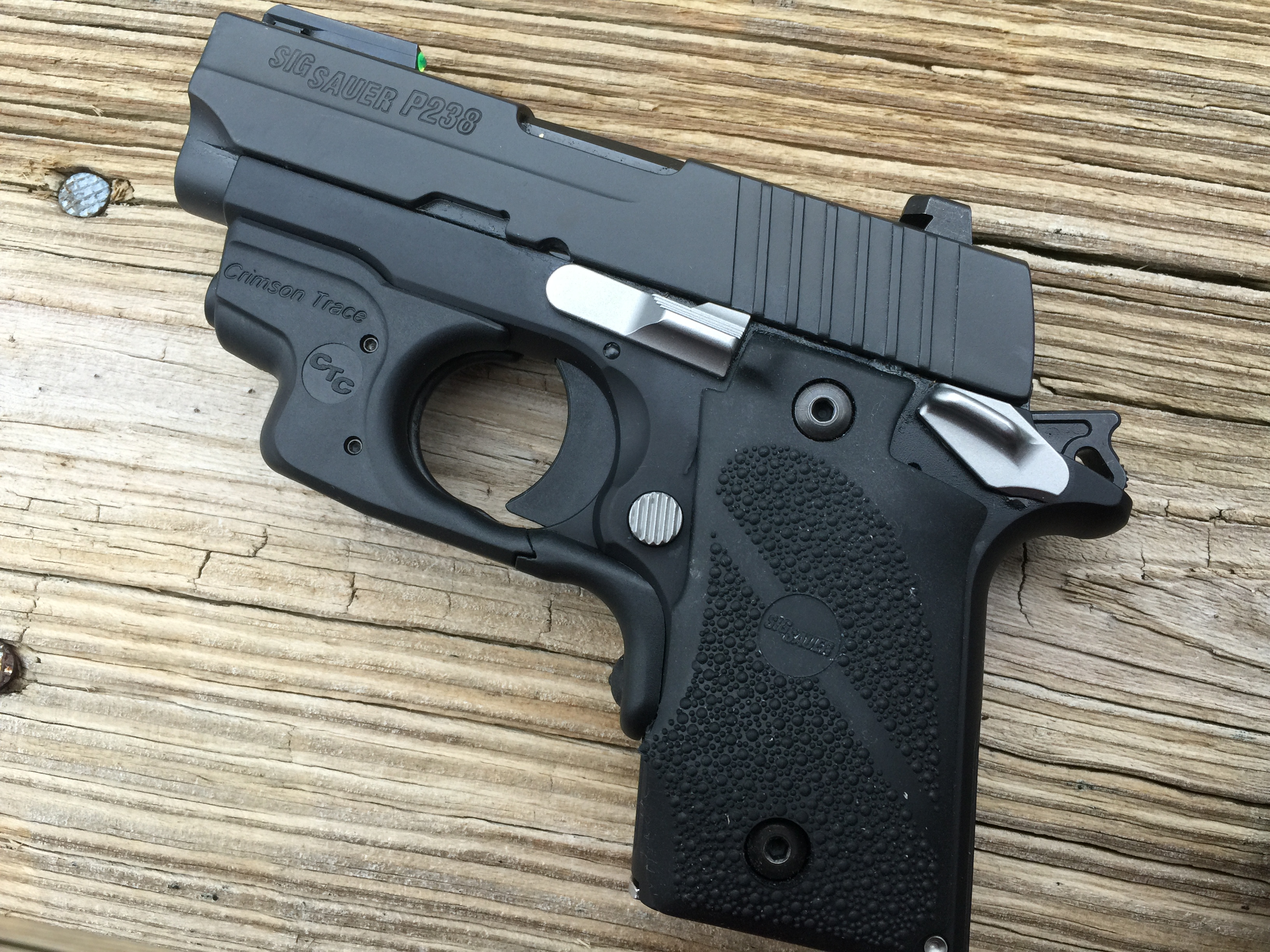
Sig’s P238 “Sport” shown with a Crimson Trace laser module installed on the pistol.
If you do the same, you’ll find yourself feeling some level of sympathy for Colt. Colt started manufacturing sub-compact .380 semi-autos in the early 1980’s and eventually discontinued production of the “Mustang” pistols before the dawn of our new millennium…which was right about the time that shall-issue concealed carry laws were sweeping the nation dramatically expanding the market for concealed carry. Sig-Sauer apparently noted the sales success of the Ruger LCP and decided that they should snag a slice of the sub-compact market. Sig had made .380 pistols before (notably the fairly large but very nice P230 and P232) but never one in the size category of the LCP. What to do? Well, they could spend considerable time and money designing a new pistol from the ground-up…or they could make a Sig-ish version of the discontinued Colt Mustang. Sig was already manufacturing their own version of the 1911 so there was already some level of know-how about manufacturing the weapon in house.
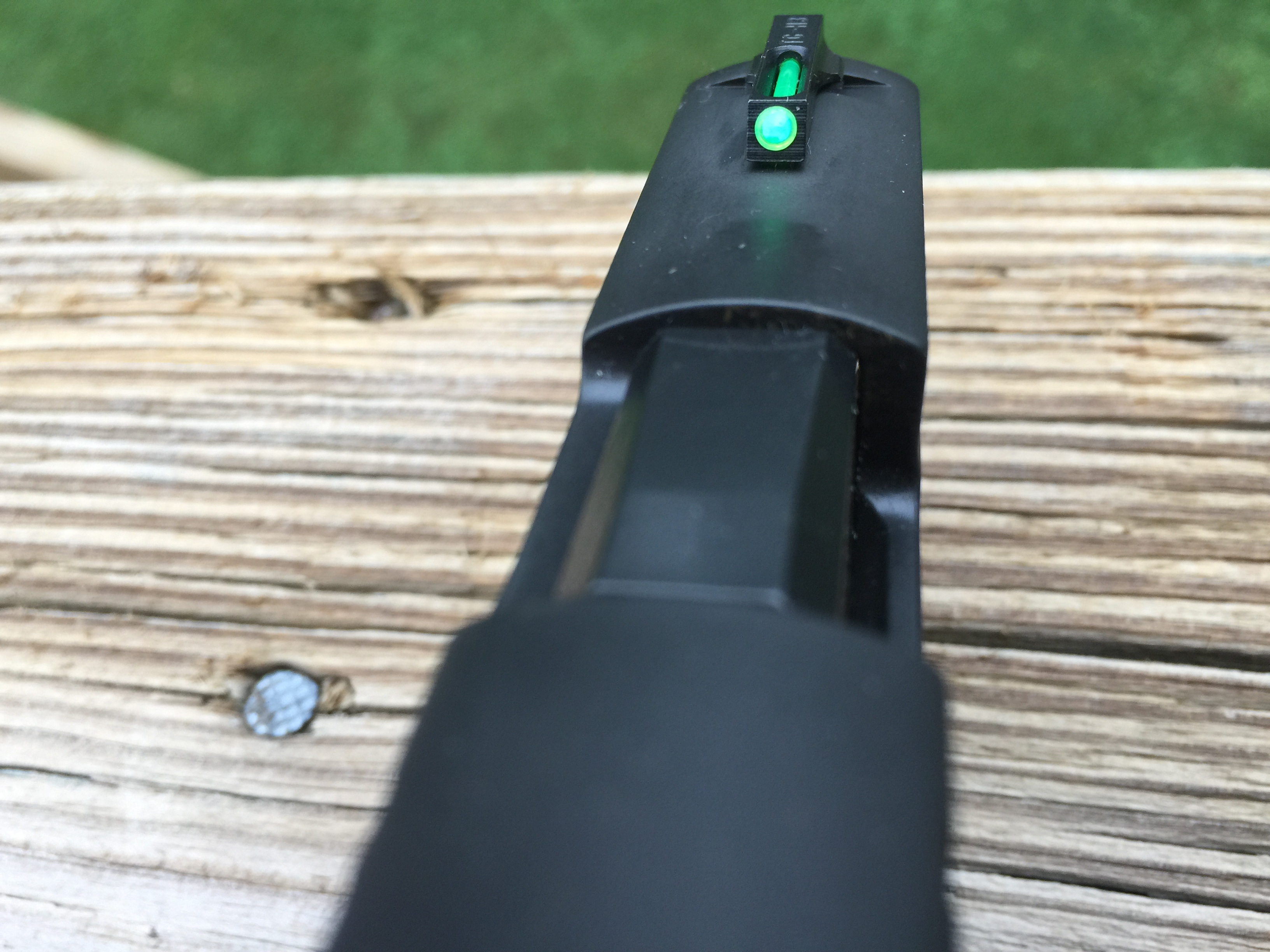
The TruGlo fiber optic/tritium sight glows day and night, grabbing your attention in almost any lighting condition.
Sig chose to make the Mustang, only with a few tweaks. They installed decent sights (including night sights) on the pistols instead of the tiny, hard-to-use sights that Colt had been putting on the Mustang. Sig also went on to manufacture the P238 in a wide variety of finishes and configurations to match pretty much any preference you could possibly imagine. I’ll admit up front that I thought this was the silliest damn thing I had ever seen. I started seeing P238’s with tribal tatoos and rainbow finishes and frankly it made me wonder if they had a position at Sig dedicated to coming up with the goofiest possible finish combinations for what was basically a borrowed design. Then I actually started watching people buy these pistols. It turns out that a chunk of the market really likes what I would consider a goofy finish. And some of them actually do want a sub-compact .380 with a steel frame. And some of the buyers for that steel-framed .380 want rubber grips while others want rosewood grips…
The “have it your way!” approach seems to have worked out for Sig. They’ve sold a bunch of P238 pistols and there are so many different versions of the little guns out there that I don’t know if even Sig employees can tell you the difference between them without looking at some sort of manual. Sig has sold so many that recently Colt started making the Mustang again, including a new polymer framed version. Unfortunately all of the Colts still have the same tiny sights, and that’s ultimately why I bought the Sig instead.
The Good:
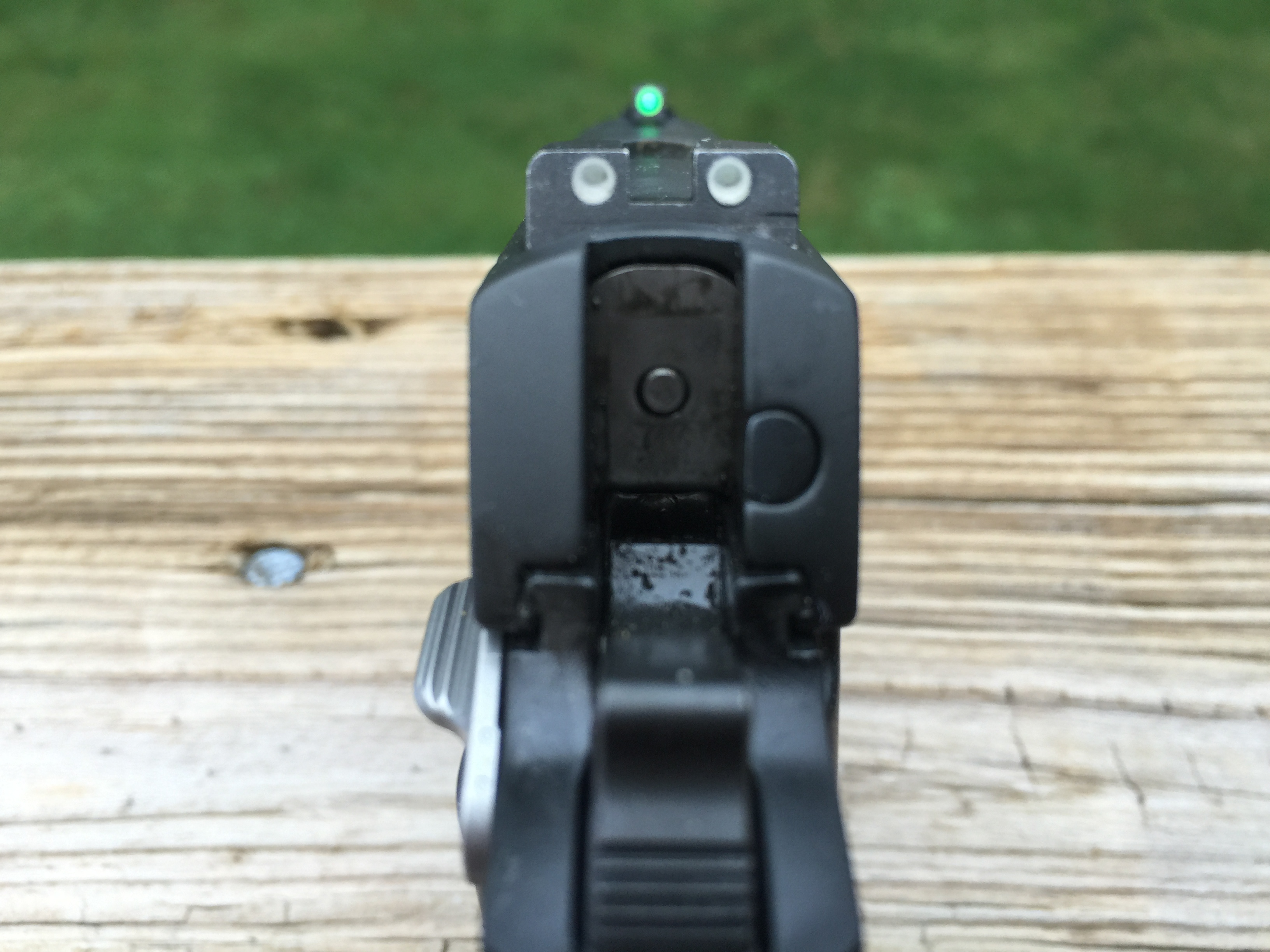
The tritium sights on the P238 sport work very well in low light.
The specific version of P238 pictured is the now discontinued P238 “Sport.” The deciding feature for this particular pistol for my situation was the presence of a TruGlo TFO fiber optic/tritium front sight as the person who is going to be carrying this pistol reported that they could see that particular front sight most easily.
The Mustang-style pistols like the P238 have a lot to recommend them as a Rule One Gun. Even the little .380 ACP is a pretty stout cartridge to cram into pistols of this size. Requiring the slide to cock a hammer uses up quite a bit of energy so that you don’t need a heavy recoil spring in the pistol to keep it from beating itself to death. This has the happy side effects of making recoil feel very mild and making the slide easy to operate. I’ve noticed that a lot of the buyers for Rule One Guns tend to be older and perhaps due to various injuries or conditions mild recoil and ease of manipulating the slide factors heavily into their need for a pistol.
If someone struggles to run the slide on a semi-automatic pistol it’s also highly likely that their grip is sufficiently weak to cause reliability issues with the pistol. Small semi-automatic pistols in general tend to be rather finicky about ammunition and intolerant of a weak grip, but this P238 does not seem to care very much about those things. I’ve fired a number of different brands of .380 FMJ and JHP ammunition through this P238 without experiencing any stoppages or malfunctions. Even using the weakest two-fingered grip I can manage (essentially placing the backstrap of the pistol against my thumb and pinching the trigger with my index finger) hasn’t induced a stoppage or malfunction with the P238.
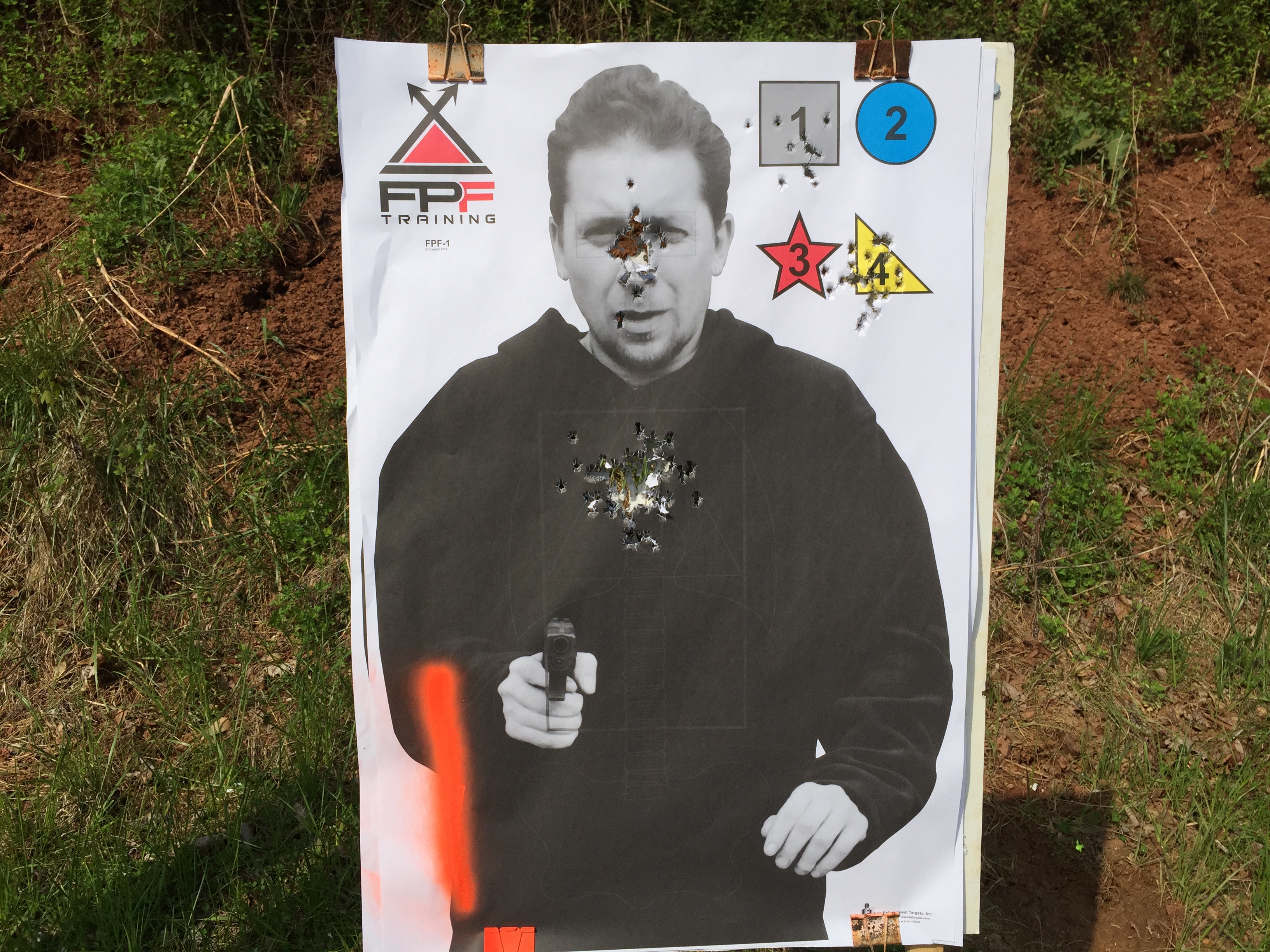
The P238 proved easy to shoot well, even at speed. Note that this target represents over 300 rounds fired through the pistol.
The most outstanding feature of the P238, though, is the way it shoots. I actually used this pistol for day 2 of the FPF Training Concealed Carry Foundations & Street Encounter Skills class I took a few weeks ago. The little .380 proved to be very easy to shoot with superb accuracy thanks to the decent sights and the smooth trigger. Even with my rather large hands manipulation of the safety was no problem. The trigger is so forgiving that I was able to shoot the pistol with excellent accuracy even if I ended up with a sub-optimal grip trying to wedge my big hands onto this little gun. I’ve found that everyone else I have put behind the pistol has been able to shoot it better than any of the major competitors in this size range. The smooth single-action trigger covers for a world of sins, it seems…
You will note in the profile picture that I have added a Crimson Trace laser module to the P238. Sig sells a model with their own branded laser on it, but I would strongly encourage you to avoid buying that package. It may be a little cheaper than buying the pistol and the Crimson Trace unit separately, but I’ve tried the Sig branded unit and frankly I think it sucks out loud. The pressure switch activation on the frontstrap of the Crimson Trace unit is the best way to go for a laser mounted on a handgun, in my opinion. In terms of laser solutions Kimber’s Micro Crimson Carry has the best setup around. Crimson Trace, if you are listening, please make that grip setup for the P238.
Right about here is where I ordinarily put the “Not So Good:” section of the writeup, but I honestly don’t have anything “not so good” to say about this pistol. It has been a very pleasant surprise, exceeding my expectations up to this point. I’ve seen reports on the web of folks who have had some issues with P238’s out of the box, but as best I can tell most who have encountered an issue have had it quickly resolved by the factory. To be perfectly honest, I would have preferred to buy an actual Colt Mustang…but the fact that Sig was putting better sights on the gun by default made the P238 the smarter purchase.
The P238 is smaller than the Glock 42 and is easier to shoot. When you factor in the cost of replacement sights for a Glock 42 the P238 with some careful shopping can actually come out to be less expensive than the G42 package. The P238, being an all metal gun, probably needs to be lubricated a bit more carefully than the Glock 42 (all firearms should be properly lubed, but Glocks are pretty tolerant of neglect in that area) but that seems to be the only place where the P238 loses out to the smallest Glock.
In the Rule One Gun Roundup, the P238 is the pistol I would recommend for most people’s needs.
In the last segment of the Rule One Gun Roundup, I talked a bit about the Ruger LCP and what I found to be it’s strengths and weaknesses. The LCP’s incredible market success thankfully prompted other makers to get in on the sub-compact market. Glock is the most recent entry into the market with their first (at least in my opinion, anyway) truly subcompact pistol…the Glock 42. Glock does actually manufacture another pistol chambered in .380 ACP, but it’s the same size as a Glock 26 and because of that it doesn’t have enough “points” to be imported into the United States according to the BATFE’s interpretation of the 1968 Gun Control Act. It’s probably worth noting here that a number of compact pistols made over the years like the real Walther PPK can’t be imported into the United States because of the ridiculous “sporting purposes” clause of the GCA that regulates import. Domestic manufacture, on the other hand, is wide open. This is one reason why most manufacturers have established manufacturing facilities here in the United States.
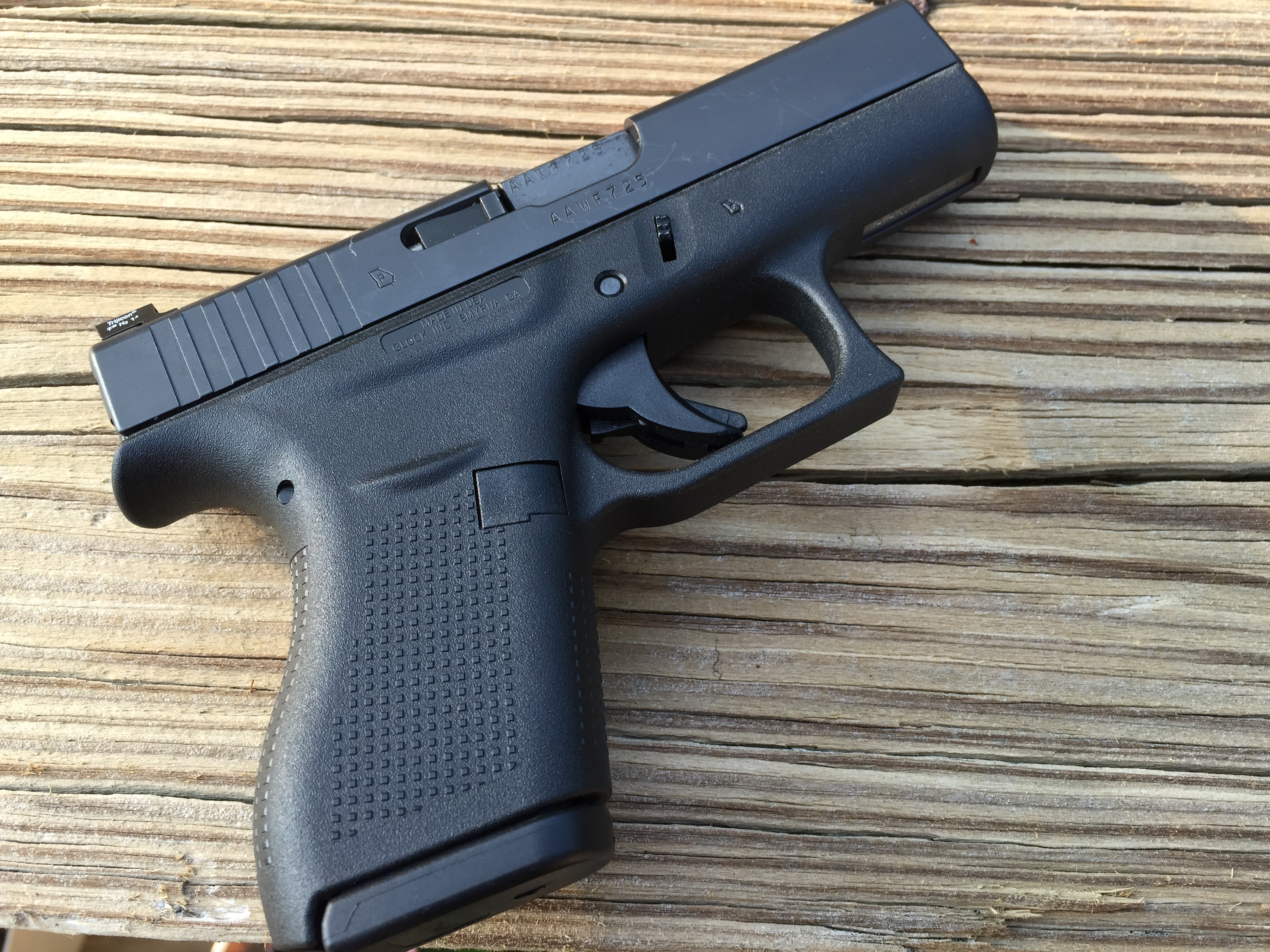
Glock’s first real entry into the Rule One Gun market, the Glock 42
A lot of people had been eagerly anticipating a single stack offering from Glock, preferably in 9mm. The Glock 42 was something of a let down to those hoping for a 9mm but that didn’t seem to hinder sales any…they couldn’t keep the Glock .380’s in stock for months. One of the big problems with little guns is reliability and the Glock name attached to a .380 is guaranteed to make at least a chunk of the market believe the gun will be reliable.
Initially I was less than impressed by the Glock 42 when I finally got to handle one in person. Some months later I encountered a situation where I needed something better than my Ruger LCP to hand to someone in case of emergency and I ended up buying the Glock 42 because it fit the size niche I needed and I figured it had the best chance of being reliable out of the box of any of the semi-auto Rule One Guns.
The Good:
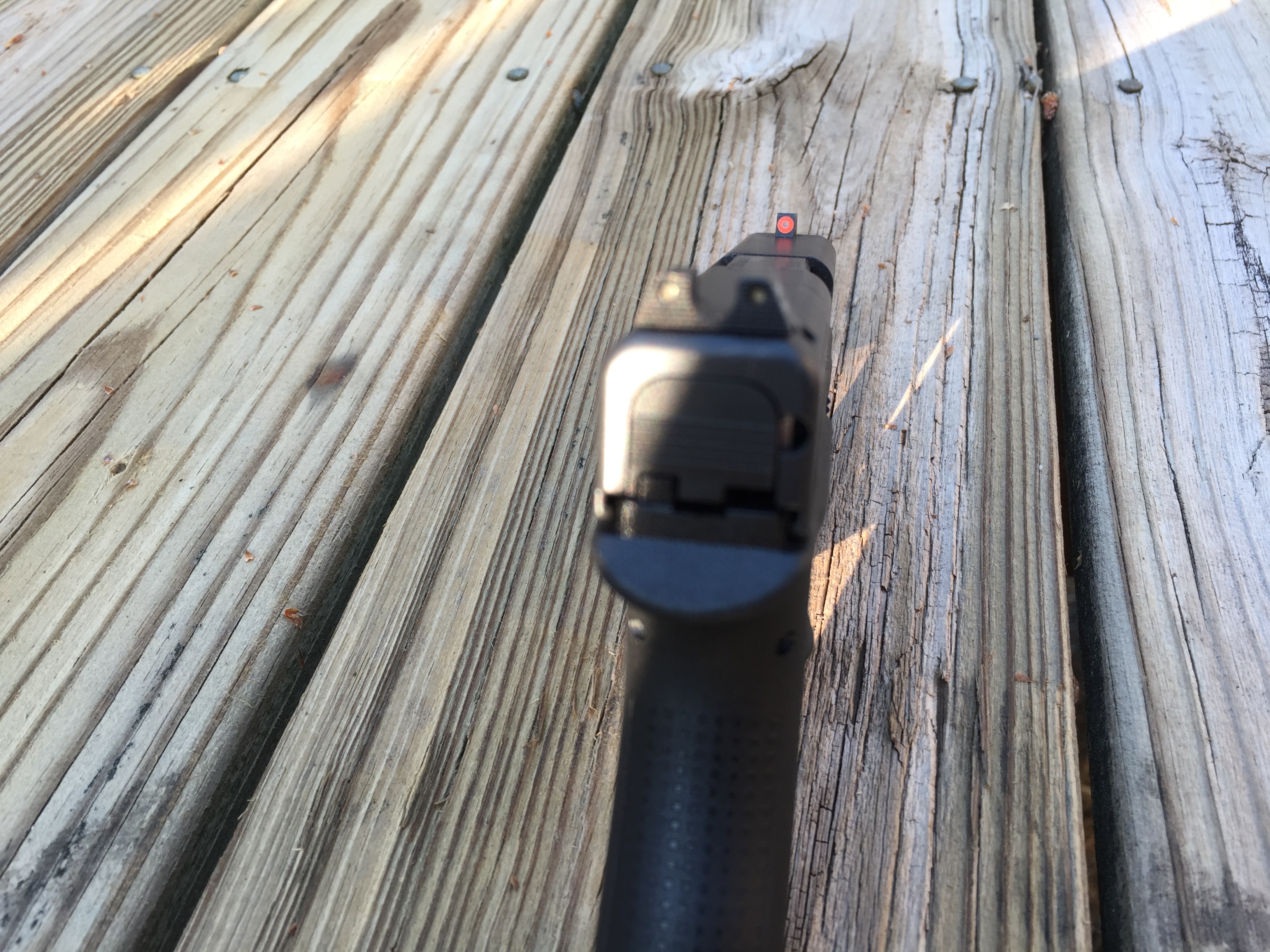
One of the things that I liked best about the G42 when I picked it up was that while it came with the usual crappy Glock slot-filler sights, those could be replaced with real grown-up sights. Shortly after acquiring the pistol I ordered a set of Trijicon HD sights for the pistol and installed them in a few minutes. I should mention that I bought a sight pusher and front sight tool for Glock pistols a number of years ago. I’ve installed sights on dozens of Glocks to this point and it’s always been a piece of cake. Just remember to use blue Loctite on the threads for the screw in the front sight.
The Trijicon HD sights provide a good sight picture in any lighting condition.
The controls of the Glock 42 are instantly familiar to anyone who is familiar with Glock pistols while being tucked up to the gun enough to keep them from interfered with by the grip…mostly. I have larger than average hands and I find that I often neuter the slide lock mechanism on the Glock 42 when I take a business-like grip on the gun. I have that problem with a lot of pistols due to my anatomy so I don’t really hold it against the littlest Glock. The magazine release is easily accessible and yet not so prominent that I run the risk of dropping the magazine when I really grip the pistol.
The Glock 42 uses a traditional Browning-style lockup with a captured dual recoil spring arrangement that looks like a miniature version of what you find inside the larger 4th generation Glock pistols. This means that felt recoil is minimized so the little pistol is quite pleasant to shoot.
My Glock 42 has been reliable. I’ve fired just shy of 1,000 rounds through the pistol so far, a combination of various FMJ ammunition and a few boxes of defensive loadings like the 102 grain Golden Saber and the 90 grain Hornady FTX, without experiencing any stoppages or malfunctions. With my Ruger LCP I have the feeling that the little pistol is meant to be carried far more than it is meant to be fired and after a while I started to worry about how long it will keep going before something breaks. I don’t have any such concerns with the Glock 42. If Glock wanted to give me 50,000 rounds of .380 to put through the little pistol (I won’t turn down free ammo!) I have no doubts that the major components would survive that round count intact.
The Not-So-Good:
The only real beef I have with the Glock 42 is accuracy. I’m not referring to inherent mechanical accuracy as that is more than sufficient for a weapon of this type. It’s more about my ability to shoot the pistol well on demand. A few weeks ago, for instance, I had unfettered access to a plate rack and a couple of hundred rounds of .380 ACP. I decided I would have some fun with the little Glock on some steel at roughly 20 yards. Trouble is that I had a dickens of a time actually hitting the plates. With the pistol being so small and my hands being so big, my usual manner of gripping a small pistol and working the trigger was causing a last-moment disruption of the sights just as the shot broke, pushing consistently left enough to miss the plates entirely. When I resorted to very deliberate slow fire I could hit the plates, but the instant I picked up the pace it was flying dirt just to the left with every shot. I’ve found the same tendency present when I’ve put the pistol in other people’s hands, too.
Through experimentation with my grip and trigger finger placement with the G42 I think I’ve figured out a way to minimize the problem, but it’s very different to my usual techniques and if I’m placed under some level of stress (like a timer) the modifications do not show up as a default response yet.
It could be fairly argued that I’m expecting a lot out of such a small handgun, but I would also point out that the bad guy you have to shoot isn’t going to cut you any slack because of the weapon you’re using. Shot placement is always critical with a handgun but it becomes even more so when you’re dealing with weaker calibers like the .380 ACP that exhibit a poor track record of penetration and unreliable expansion. It’s also fair to acknowledge that what I’m experiencing and seeing with the pistol might not be what everyone gets when they are behind the trigger.
Overall:
The pricepoint for the Glock 42 is higher than, say, the Ruger LCP but I think you get a good bit more capability for that extra cost…and don’t forget to figure in the cost of putting new sights on the gun when considering it. Even with the need to put real sights on the gun, it’s still a very attractive price for a very attractive package. Reliable, light, thin, pleasant to shoot, and even though I have to work harder than usual to get my accuracy standards out of the pistol it’s still easier to shoot accurately than the LCP due to better sights and a better trigger. If you’re in the market for a Rule One Gun the Glock 42 is a pistol that should be on your short list.
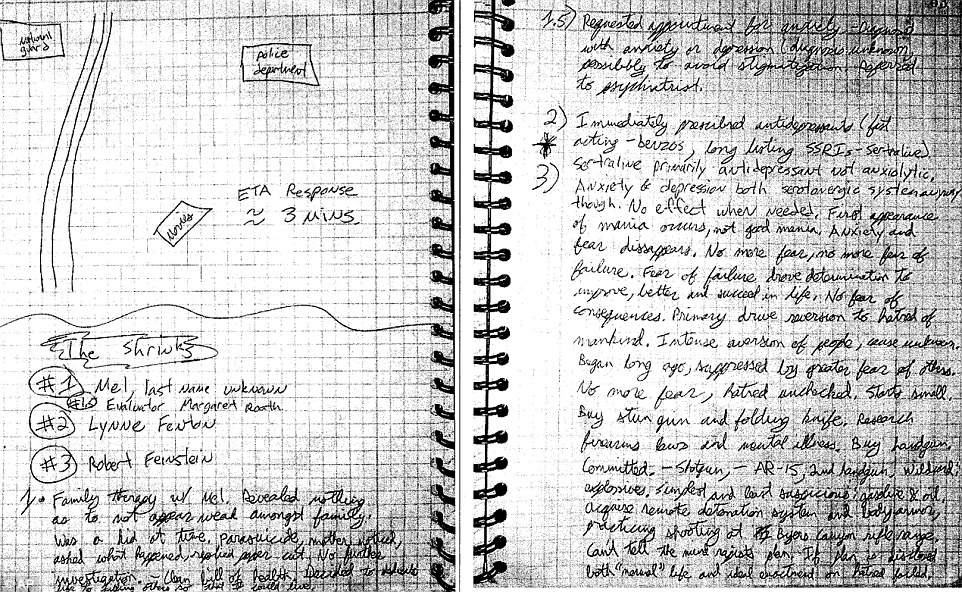
This week the journal of the Aurora, Colorado killer was released to the press and excerpts of the testimony at his trial have hit the news. Last week there was a debate about certain aspects of open carry legislation in Texas that also made national news. These two seemingly unrelated stories had a common element, though, that the media isn’t going to talk about…death sentences. I’ll explain.
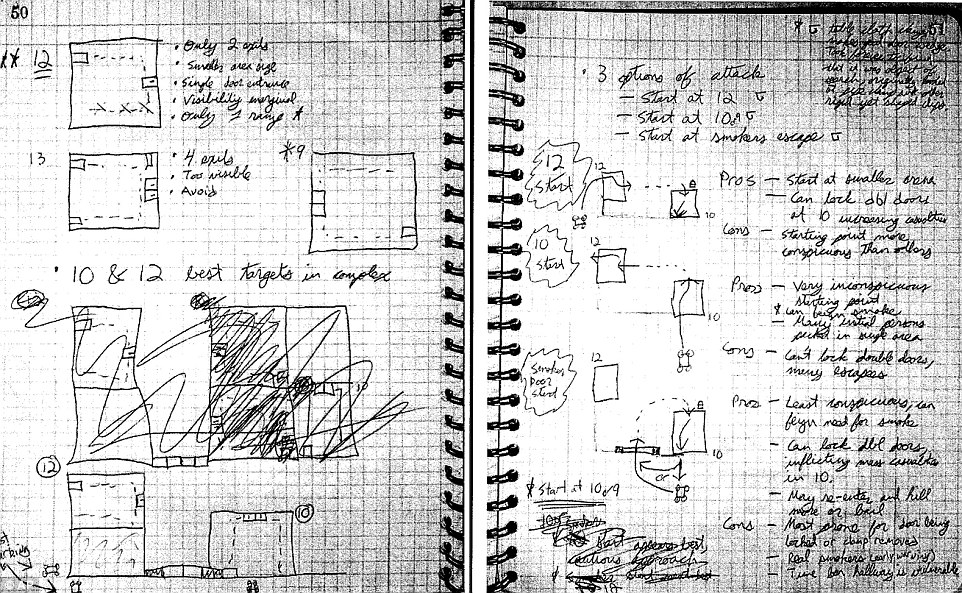
The Aurora murderer outlines the process of selecting the scene of the intended massacre.
The Aurora shooter (I refuse to use his name) turns out to have methodically planned his attack over an extended period of time with careful attention to detail. Over at the Active Response Training blog, Greg Ellifritz does a splendid job of covering some of the detailed planning the killer went through including figuring in the timing of police response to the act of violence. Let’s also not forget that this person wired his apartment with explosives in the hopes of drawing police and emergency services away from the scene of the massacre. He even left a remote controlled vehicle in a play area near his apartment rigged up as a trigger in the hopes that if nobody walked through his open door to blow up his apartment building, that a child might try to play with the toy and set off the bombs.
I’ve often referred to active shooters as malevolent narcissists. This…person…fits that description to a T. Listen to the explanation of why he wanted a body count. Seriously, go to the link and watch the video:
He actually says that upon hearing that he had killed twelve people he said “I was worth twelve more people than I was before.” Later he goes on to say that “Anything they would have pursued gets canceled out and given to me.”
The murderer claims to add value to his life by taking the lives of others…pronouncing on them a death sentence in pursuit of his own sense of self worth. To serve his own delusions and fantasies, he’s willing to see innocent people dead. Ponder for a moment the level of depravity indicated by that mindset.
Unfortunately, he is not alone.
On the surface of things, you wouldn’t think that the murdering scum in Aurora has anything in common with, say, a college president in Texas. As a part of the legislative wrangling to pass open carry in Texas (made more difficult by that jackass Kory Watkins) consideration of allowing concealed carry on some college campus facilities in Texas became part of the deal. This led University of Dallas president Tom Keefe to say:
“The only people I want having guns are police and the bad guy,” he said. “I don’t want police to have to sort out who is John Wayne coming to the rescue.”
The murderer lists the estimated police response time to the scene.
Let us consider exactly what that statement means. This university president is saying that he wants to see people locked under the control of a malevolent narcissist bent on a body count (remember that at Virginia Tech Cho chained the doors of Norris Hall shut to keep his victims contained in the building and delay police response) until the police eventually get there rather than allowing the possibility of one of the intended victims shooting back…because that might be messy and confusing! A massacre, you see, is nice and simple.
We know for a fact that active shooters factor in police response time in their plans. You can see it right there in the Aurora murderer’s journal. We know they, in fact, need that lag in response time to generate the body count they are looking for. They try to extend the time it takes armed response to materialize so they can execute as many people as possible.
…and yet here is an educated, credentialed university official stating outright that he wants the murderer to have that level of control because in his sick mind that is somehow preferable to people shooting the murderer before he can execute his way to a higher level of self worth.
The president of Dallas University pronounced a death sentence. To serve his own delusions and fantasies about these sorts of events, he’s willing to see innocent people dead. Ponder for a moment the level of depravity indicated by that mindset.
I don’t think one has to be a university president to understand that coming down on the same side of the issue as the murderers is a bad thing.
The Aurora murderer is standing trial for his crime. He has claimed he’s not guilty by reason of insanity.
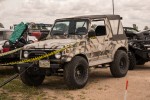
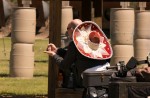
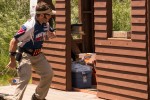
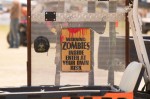
The Hornady Zombie 3-Gun Pandemic match is not one to miss, I don’t care how experienced you are at shooting. It’s a perfect set up for amateurs and a FUN set up for pros. Explosive targets, full auto, soda can gun… Have I convinced you yet? What about a costume contest? Will that help?
One of the coolest parts of this match for me personally was being able to bring some of my friends who have never seen a shooting match before out. It was great for them from a spectator standpoint because of the reactionary targets, the obvious theme, and the sheer mild insanity of the whole thing (that’s how you know I like something, when I mention it’s a little insane).
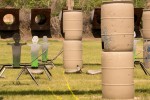
They had some cool sponsor booths set up spectators could participate in as well. From zombie face painting (XS Sight Sytems) to throwing knives (Cabelas) to shooting an exploding target with a suppressed shotgun (SonicBoom).
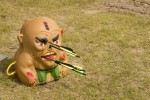
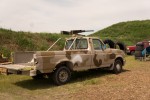
The stages included a wobbling bridge, more exploding targets, a gun that shot soda cans at a plate rack, a close-range forest scenario, a graveyard (complete with funny headstones, of course), a gutted helicopter… You get the idea.
Each stage comes with its own scenario, of course, these are zombies we’re fighting. For example: “Back at basecamp, you heard rumors of an old communications center. A chance to communicating with other survivors is worth the risk, so you set out to find this communication center. Your journey is successful and you soon stumble on the site. The array looks damaged, but you forge ahead to see if you can get a message out and hopefully find out that you and your group are not alone. You see zombies moving about but they have never stopped you before and today will be no different. Use your shotgun and pistol to clear a path and let other survivors know they are not alone! ”
All in all, it was a silly, fun, good time, that will certainly displease any srs gunfighters who like to complain about how matches don’t teach you any skills for the real world.
Be sure to check out the full write up in the next issue of GunUp the Magazine. Until then, here’s some photos:
A while back I wrote about the rise of the Rule One Gun at the 2014 SHOT show. I thought it was mainly a phenomenon I would be sitting out because while I occasionally had call for a Rule One Gun (rule 1 of a gunfight: Have. A. Gun.) due to circumstances I’d still be carrying a “real” pistol the vast majority of the time. I noticed the other day that despite this, I had somehow accumulated multiple Rule One Guns since writing that post due to changing circumstances in life. I encountered problems and the most practical solution to these issues given all the factors involved was a Rule One Gun.
I get a lot of questions about Rule One Guns from people I interact with. Not all that long ago when someone asked me for advice on guns they were primarily interested in a pistol they could keep around the house for self defense. These days, though, when someone is asking me about guns they are almost always indicating regular carry as their goal. Frankly this astonishes me. I had no idea that the appetite for concealed carry would become as large as it has and it shows no signs of slowing down anytime soon. For most people carrying a pistol means carrying something small…a Rule One Gun. Gun makers have responded and we now live in what seems to be an almost Precambrian explosion of small handguns in sub-service calibers. I go to gunstores and where you used to see maybe a couple of small, compact pistols there are now entire display cases filled with pistols from .22LR up to .380 ACP. Often the questions I encounter are about these pistols…and as it happens I now own or have owned several of them.
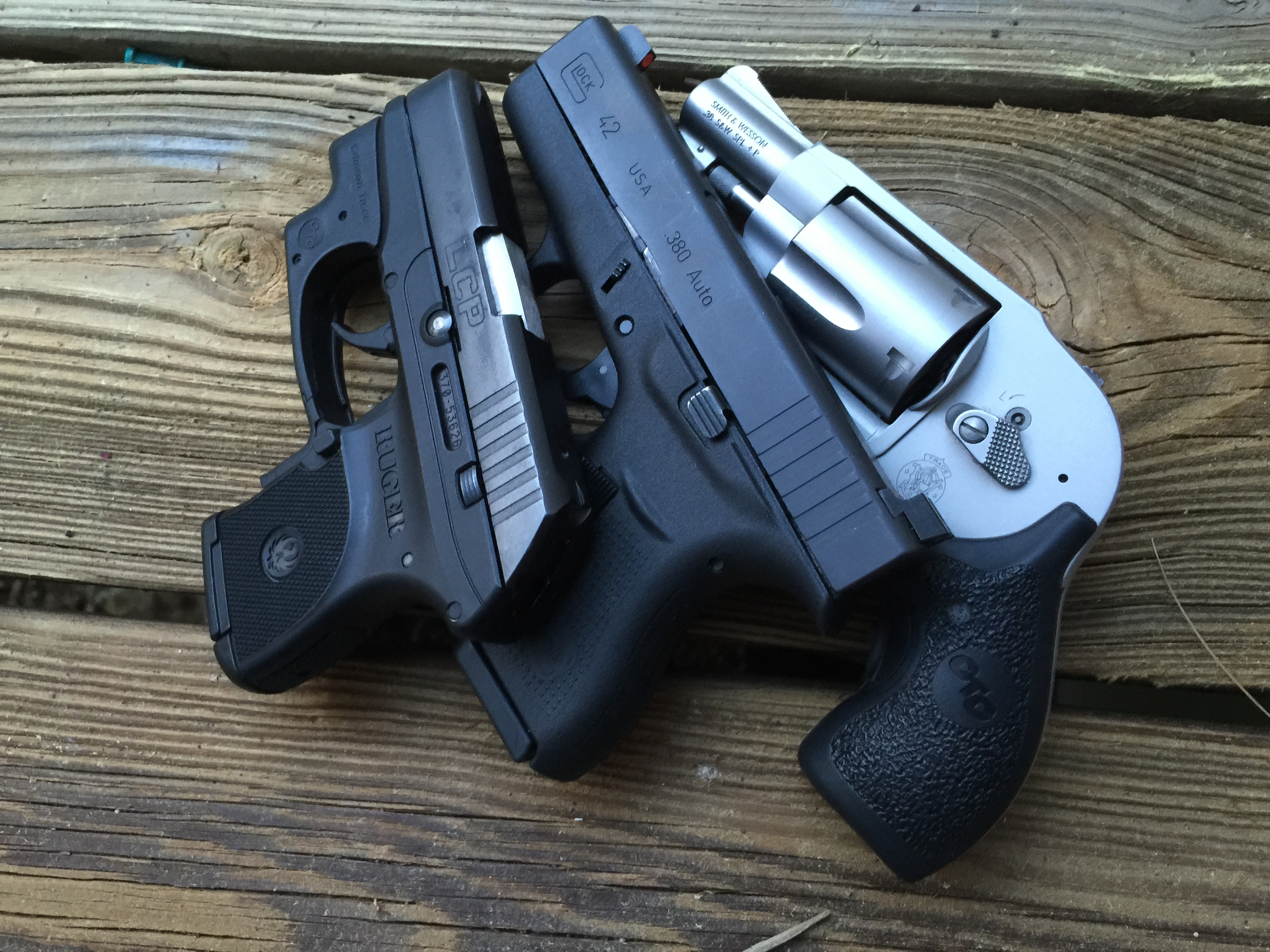
Some of my “Rule 1” guns
Perhaps, then, it would be useful to have a sort of Rule One Gun roundup where I talk about some of the more popular options on the market and list the advantages and disadvantages they bring to the table. First up will be the first Rule One semi-auto I ever purchased for carry:
The Ruger LCP – the good
When Ruger introduced the little LCP it made quite a splash and they sold a bunch of them. It’s very thin, very compact, very light, and chambered in .380 ACP it’s quite powerful relative to its size. I can tell you from experience that the LCP slides very easily into just about any pocket you can find and pretty much disappears. I’m reasonably certain you can effectively conceal one of these in a Speedo if you choose to do so, although I haven’t personally tried to give that a go. (Because I usually just open carry when I’m wearing my Speedo.)
Given the pricepoint of the little LCP I expected it to be a finicky, unreliable little thing when I bought it. Despite my prejudice, mine has proven to be very reliable, never experiencing a stoppage or malfunction in the close to 1,000 rounds of FMJ and JHP ammo I’ve fired through it. It’s also shown good mechanical accuracy out to 15 yards when shooting for groups.
The trigger pull on the LCP is long and at first was quite rough, but it smoothed out fairly quickly with some shooting.
The not-so-good:
The “sights” on this gun are, for most realistic purposes, useless. Ruger has since made some improvements to the LCP including now offering sights that are considerably more useful, but on my gun the tiny sight bumps are laughable. In ideal lighting with an eye-straining focus on the bumps and careful attention to grip and trigger control, you can wring some pretty astonishing accuracy from the little pistol…but nobody is going to be using the pistol that way for real. The sights were so thoroughly useless that I immediately added a Crimson Trace laser module and that is essentially my primary sighting system on the pistol. If the laser dies I’m pretty much stuck point-shooting the little guy.
The size of the LCP works great for concealment, but not-so-great for control when firing the handgun. With my big paws I get just my middle finger wrapped around the grip of the pistol. The thin profile of the pistol guarantees that I don’t get much stability in the grip when trying to work through the long double-action trigger pull. I mitigate this somewhat by using the Jerry Miculeck-style crush grip being sure to keep my left thumb anchored below the base joint of my right thumb.
On my vintage LCP there is also a two-click reset of the trigger that I had a dickens of a time with at first. I kept short-stroking the reset leaving the pistol in a non-firing condition until I racked the slide. (There’s not much ammunition in the LCP’s magazine, so it would be a right shame to waste a good round in a defensive situation because you needed to get the trigger to reset) Ruger has since fixed this, from what I understand, but plenty of the guns with the issue are still out there. Get one of the updated guns if at all possible.
Overall:
The price point is very attractive, but I’d rate my LCP as merely adequate in terms of the current Rule One Gun market options available today. The improvements Ruger has made to the pistol since mine was manufactured were much needed and certainly make the pistol much better for its intended use…but I wouldn’t trade my LCP in to buy one of the updated models. I’d likely be trading it in to buy a completely different pistol. If price is your most important practical restriction, the LCP isn’t bad…but if you can afford to spend a bit more I think you can do better.
I was chided the other day for not mentioning Anita Mackiewicz in my post. The truth is, I knew she was doing well, I didn’t realize how well she was doing. Anita did a lot more than take home the Ladies’ Championship at this year’s Bianchi Cup. In my mind, she’s changed how women at the Bianchi Cup need to approach winning, because one of these years, one of the upcoming years, they’re going to start cleaning it – and then next thing you know the Ladies’ Championship and the Overall Championship won’t be so different. That’s what I want to see.
I’m all excited about this because Anita posted a score of 1916. Out of 1920. 1916-166X. She came in 7th overall. That’s tremendous, it’s exciting. We were all rooting hard for her to clean the match, but there’s always next year. No pressure, right? (Sorry, Anita.)
To put it in perspective, second place Ladies’ Champion and former Junior Champion Tiffany Piper shot an 1899, coming in 34th overall. Third place Ladies’ Championship and multiple-time Ladies Champion Jessie Duff shot a 1897 and came in 37th overall.
Yesterday was better – a lot better. The sun was shining, it was absolutely beautiful out. And I made all my shooting times. And there were definitely holes in all my targets. It was a good day.
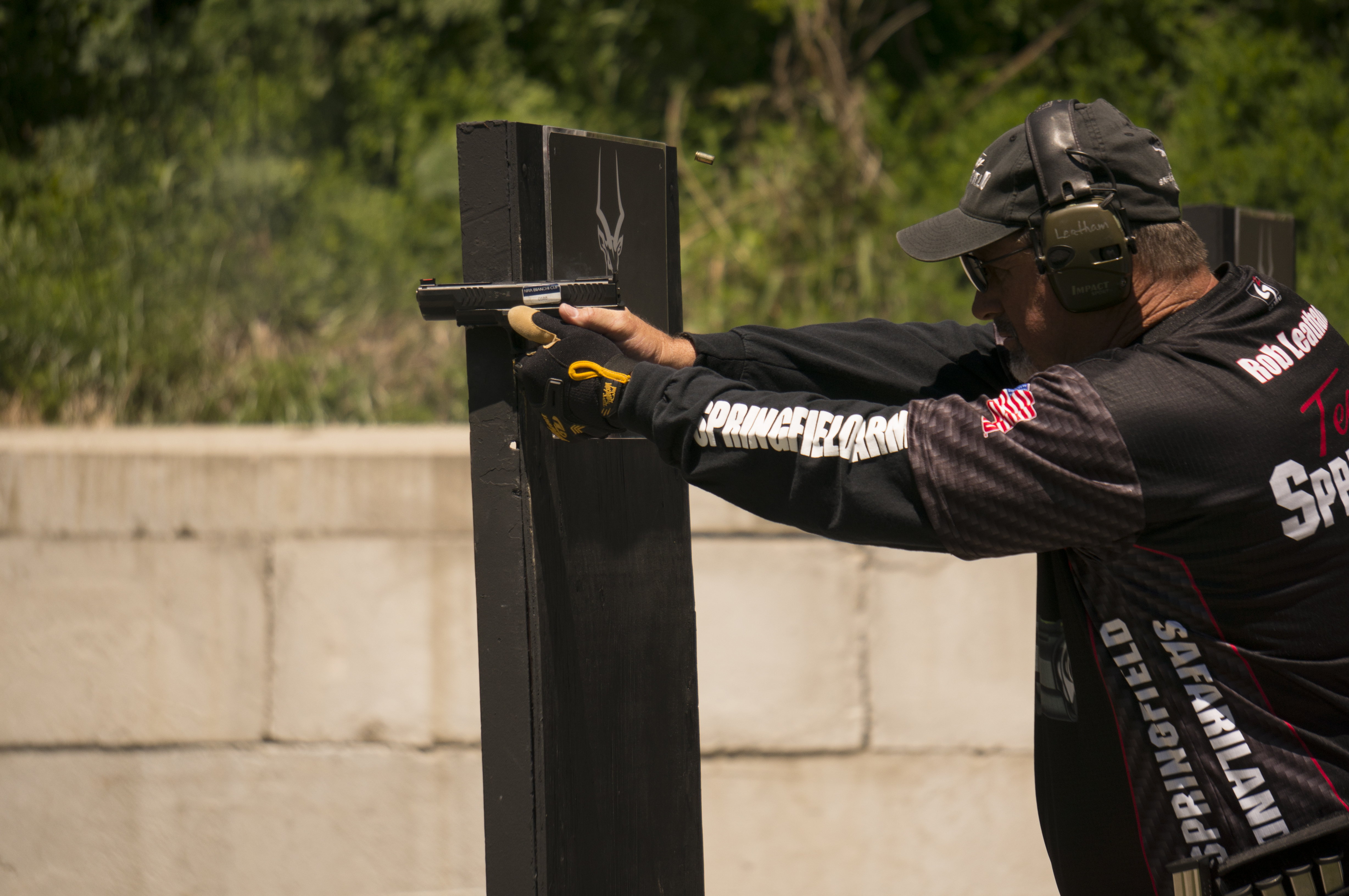
Rob Leatham shoots the Barricade stage at the 2015 Bianchi Cup.
In the Production race, Rob Leatham cleaned up on the Barricade, while Enoch Smith and Dave Sevigny both dropped points. If Rob can clean the plates today, the Production championship will be his, but we’ve seen Rob Leatham drop plates in the past, so the match isn’t over yet.
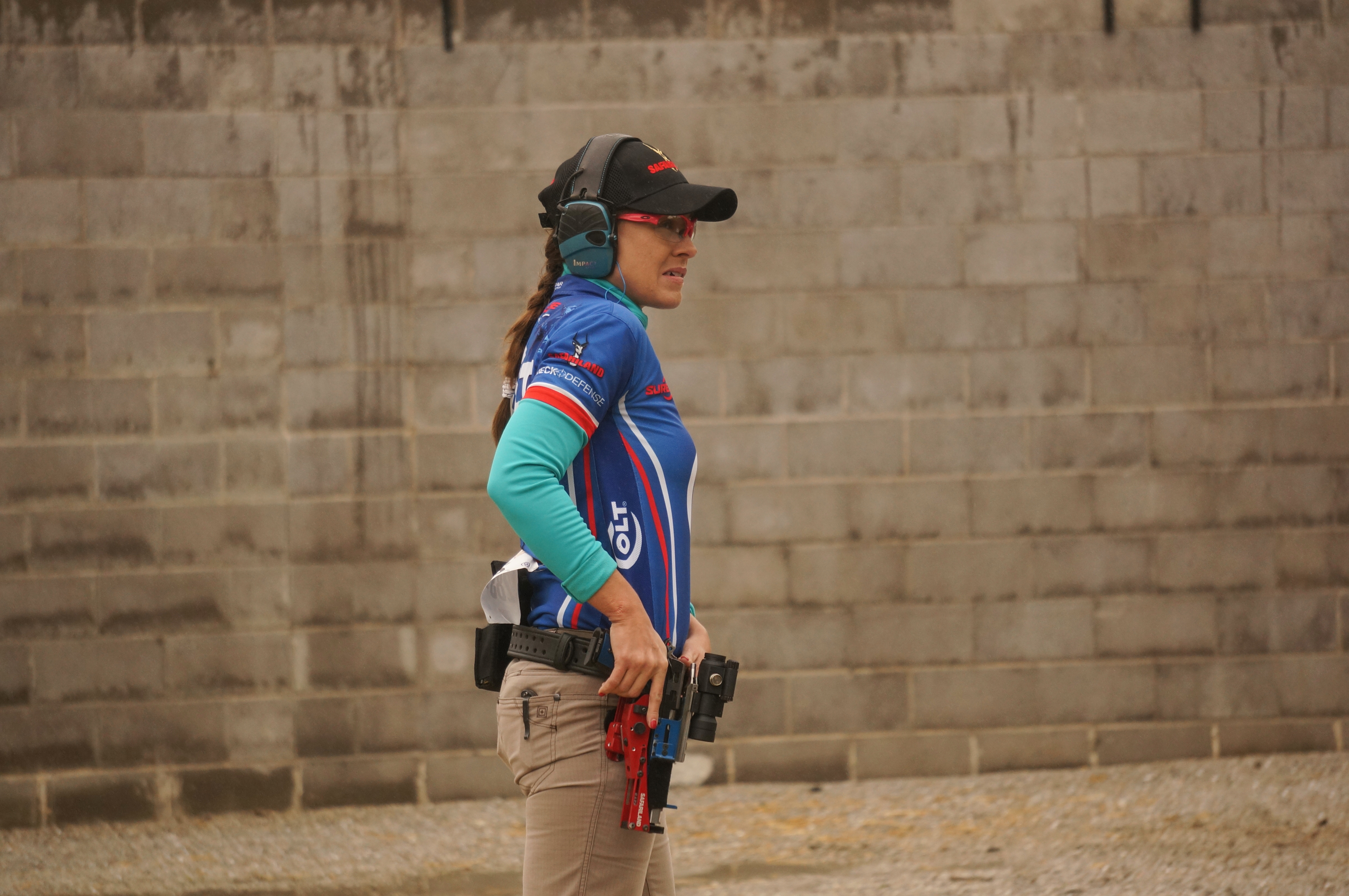
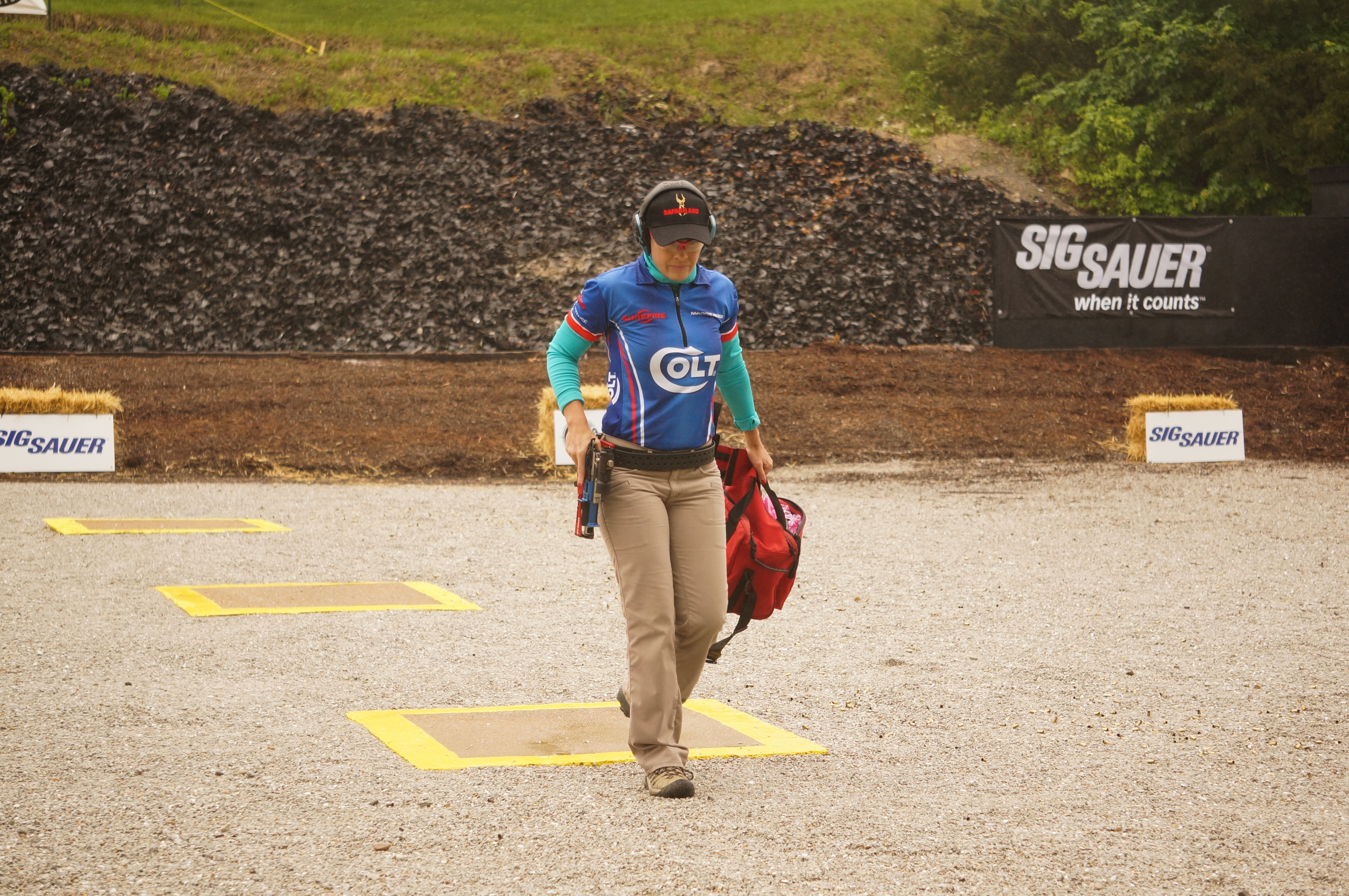
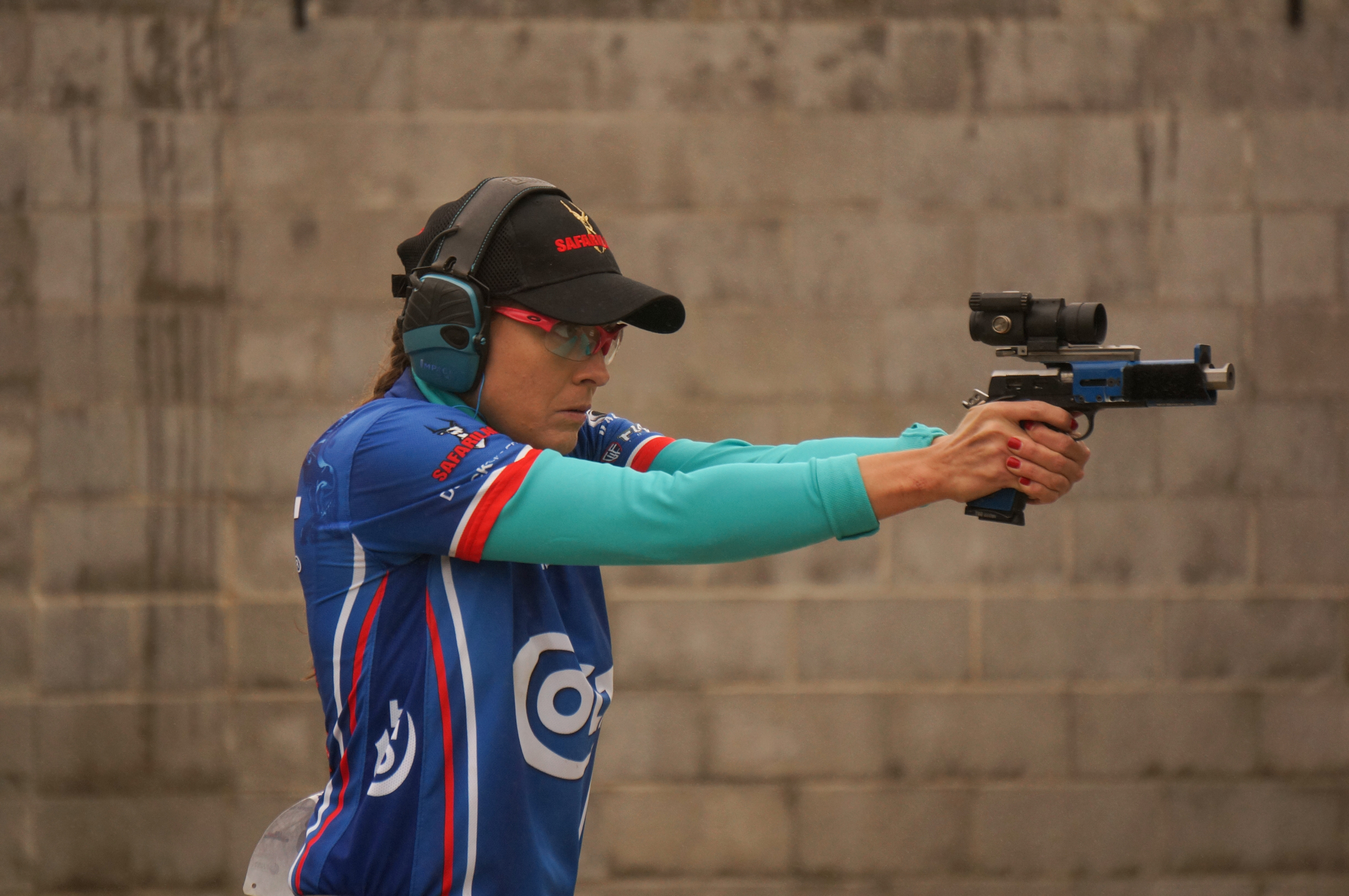
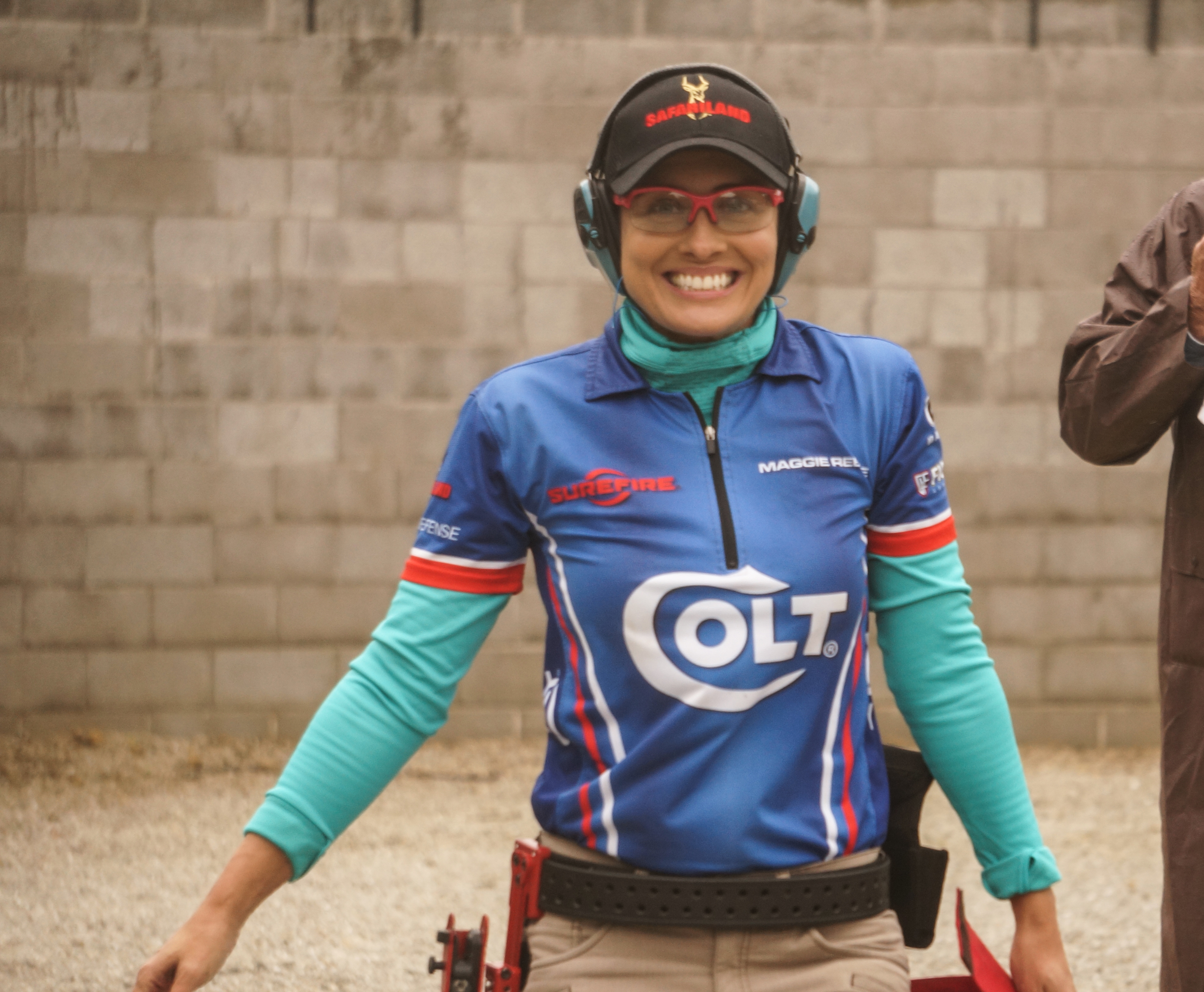
In the Women’s race, Jessie Duff shot a flawless Barricade, Tiffany Piper only dropped a couple 8s while Maggie Reese shot some 5s. Maggie will have to clean the Practical today to get back in the running, while Tiffany and Jessie battle it out on the Mover. Vera Koo is also shooting well this year, I’ll be keeping an eye on her today as well.
Tim Yackley appears to be leading the Junior shooters just ahead of Colton Cerino. Louis Surgi had some major points down early in the match (to be honest, I don’t remember what happened, I believe it was a gun malfunction) and is essentially out of the running.
Bruce Piatt had some extreme gun problems early in the match, so Doug Koenig and Kevin Angstadt are battling over Xs. Right now, my money is on Doug, but in this game you never know what’s going to happen.
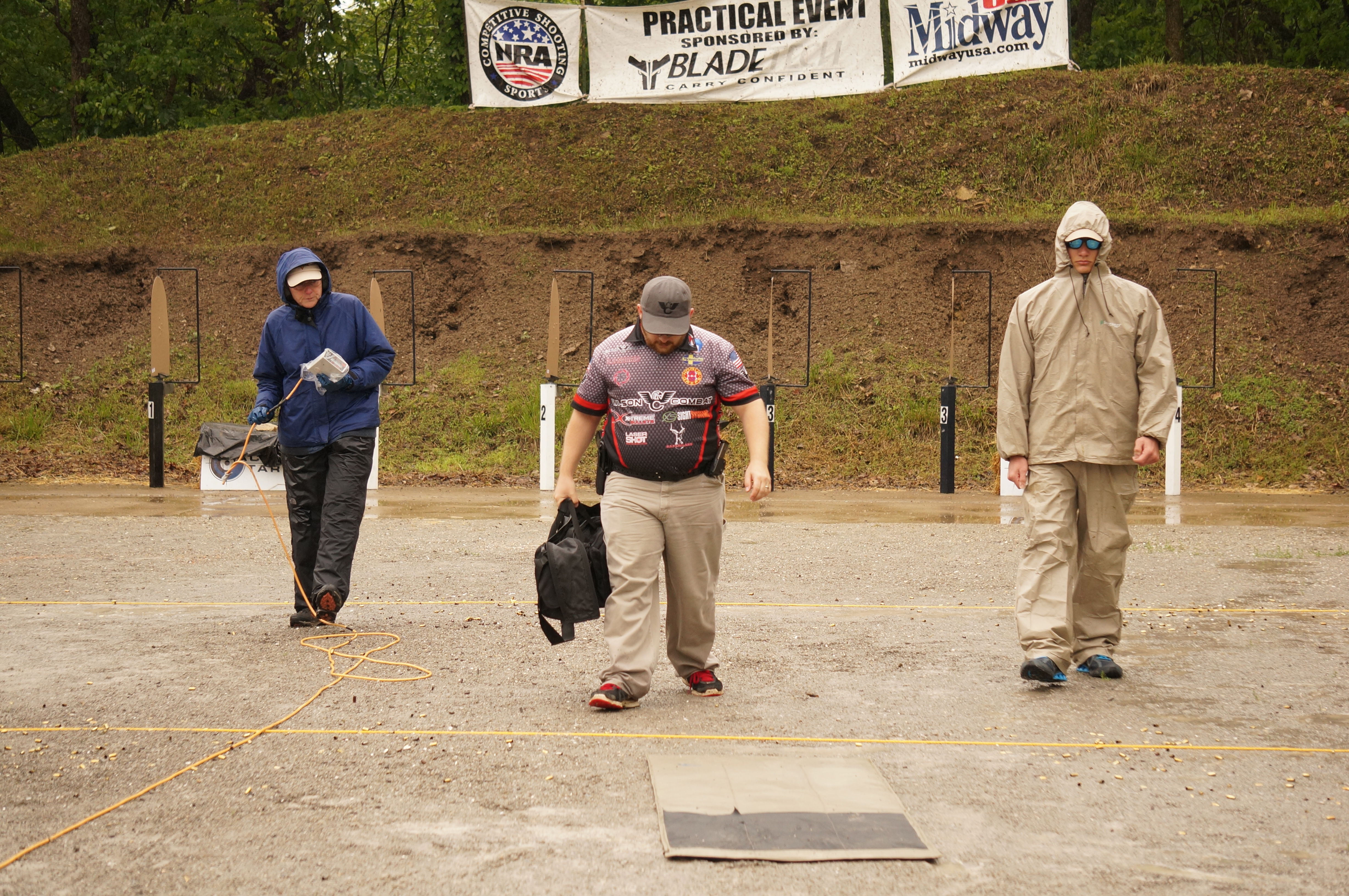
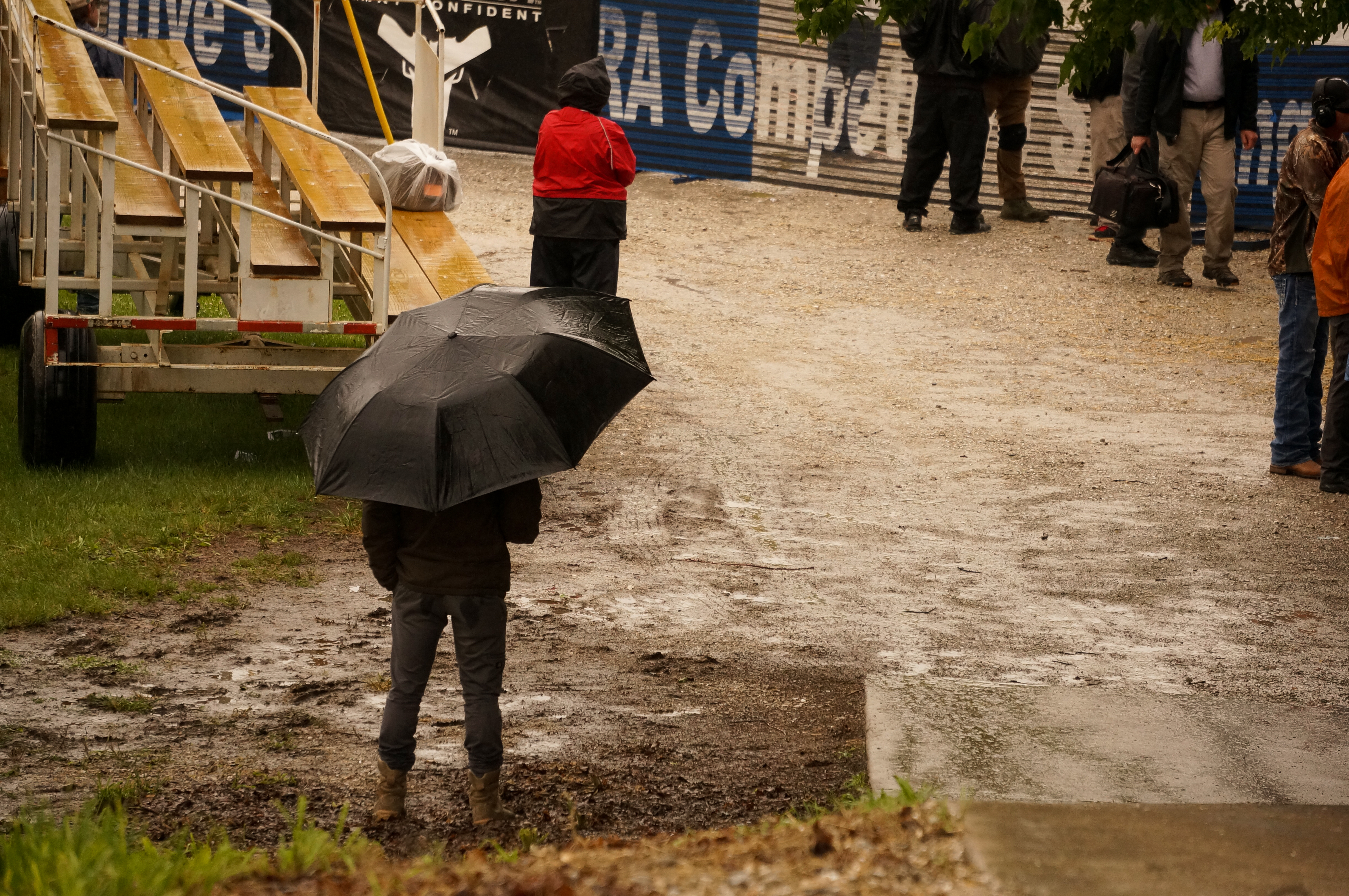
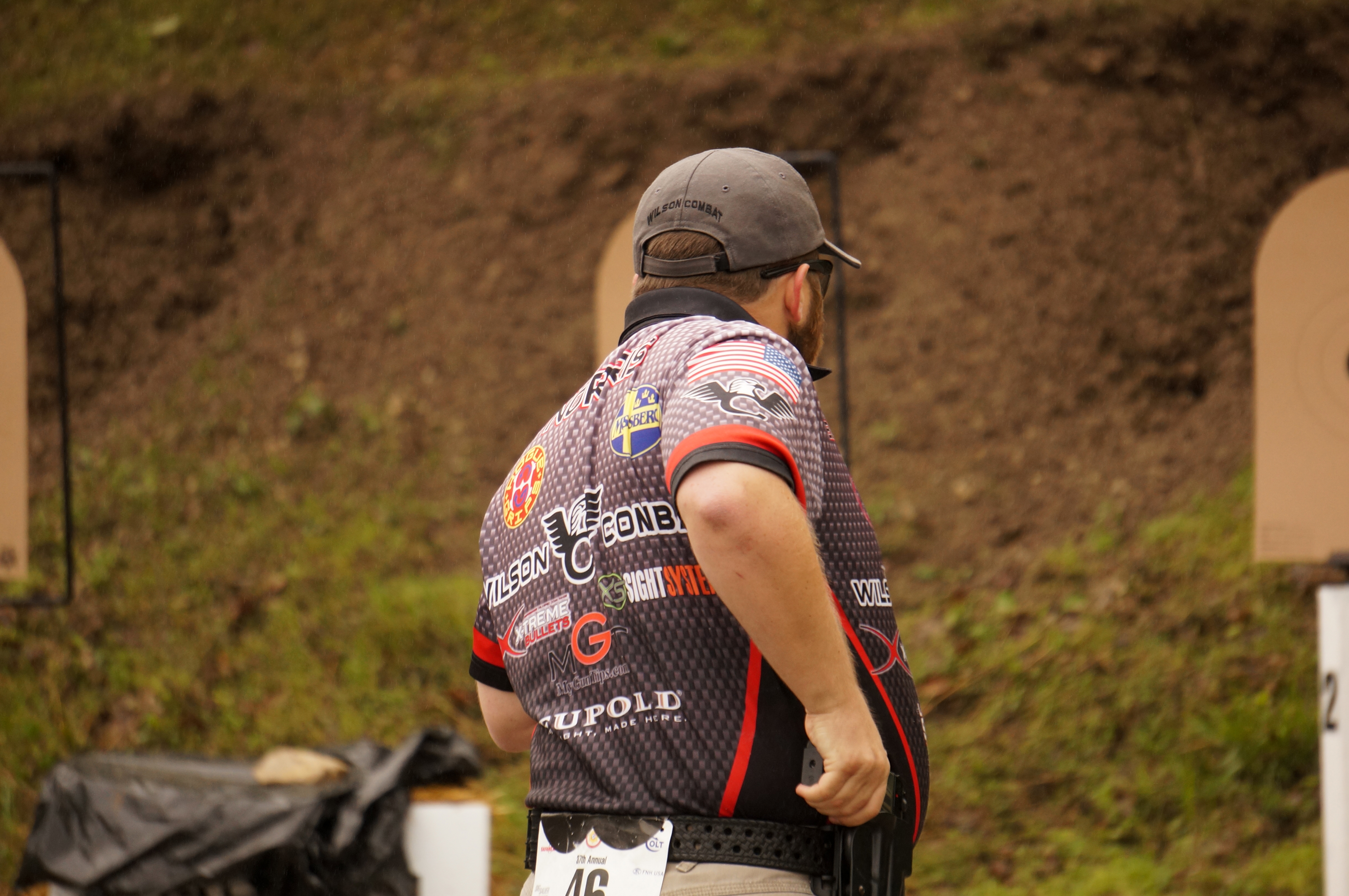
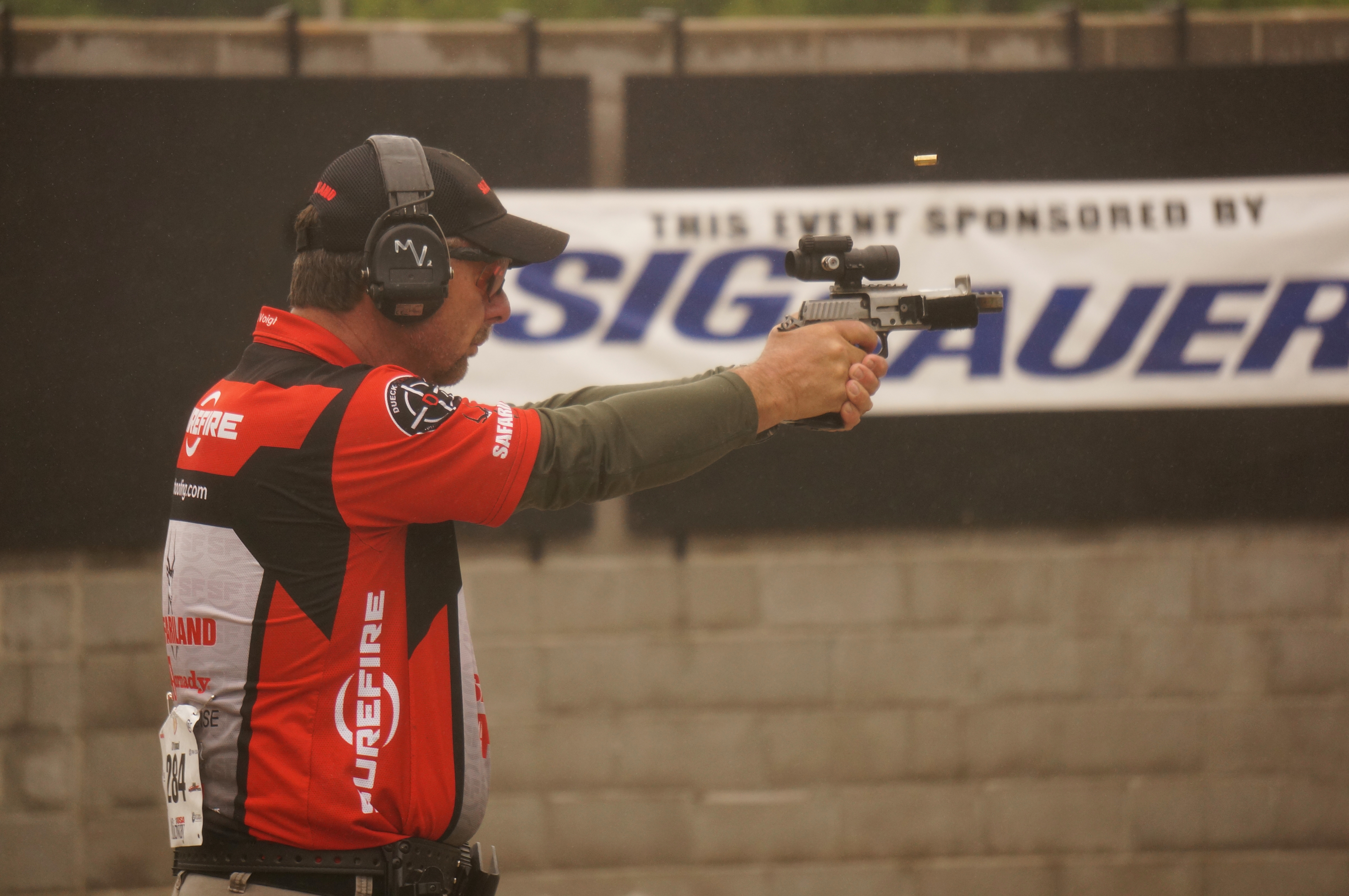
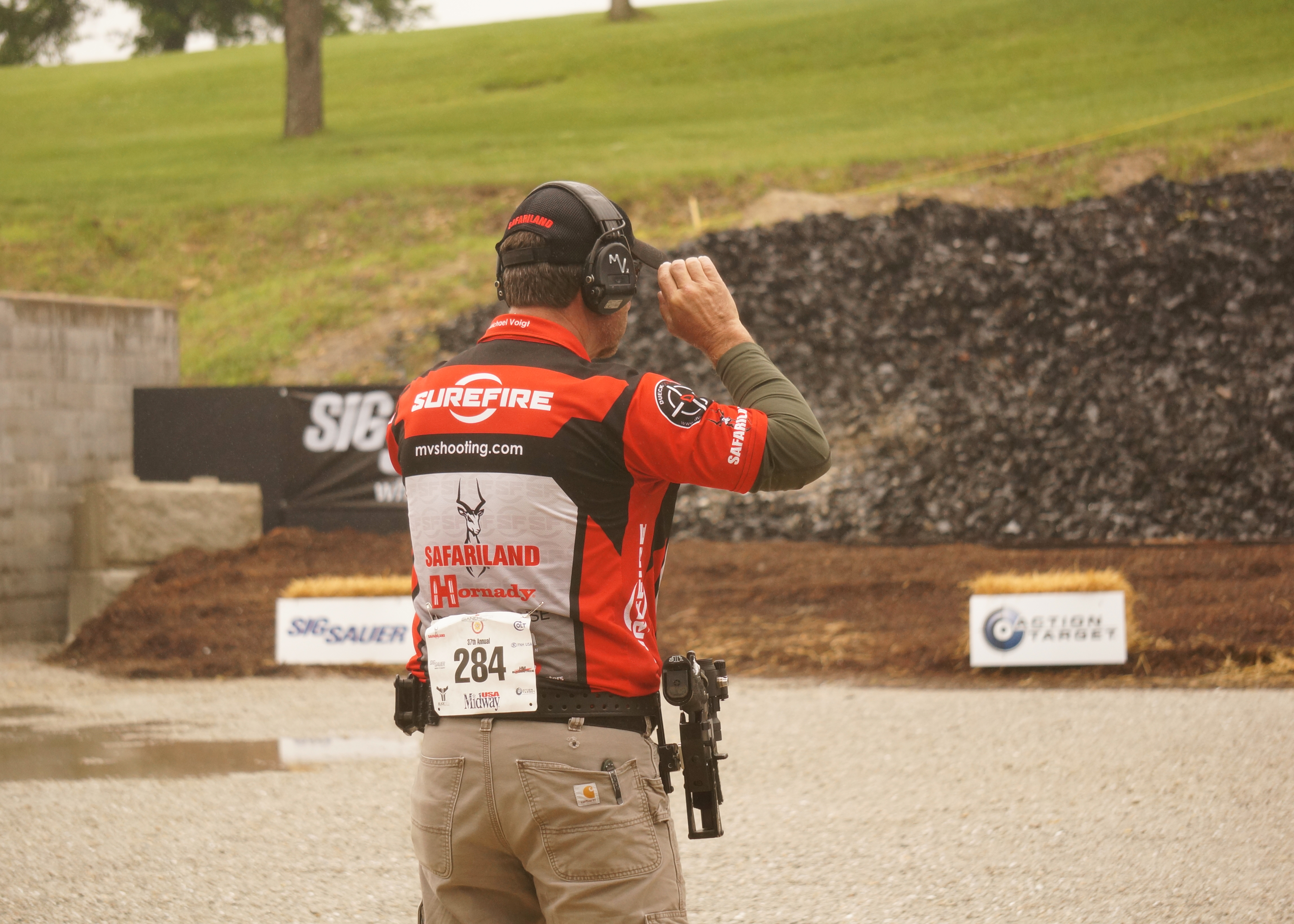
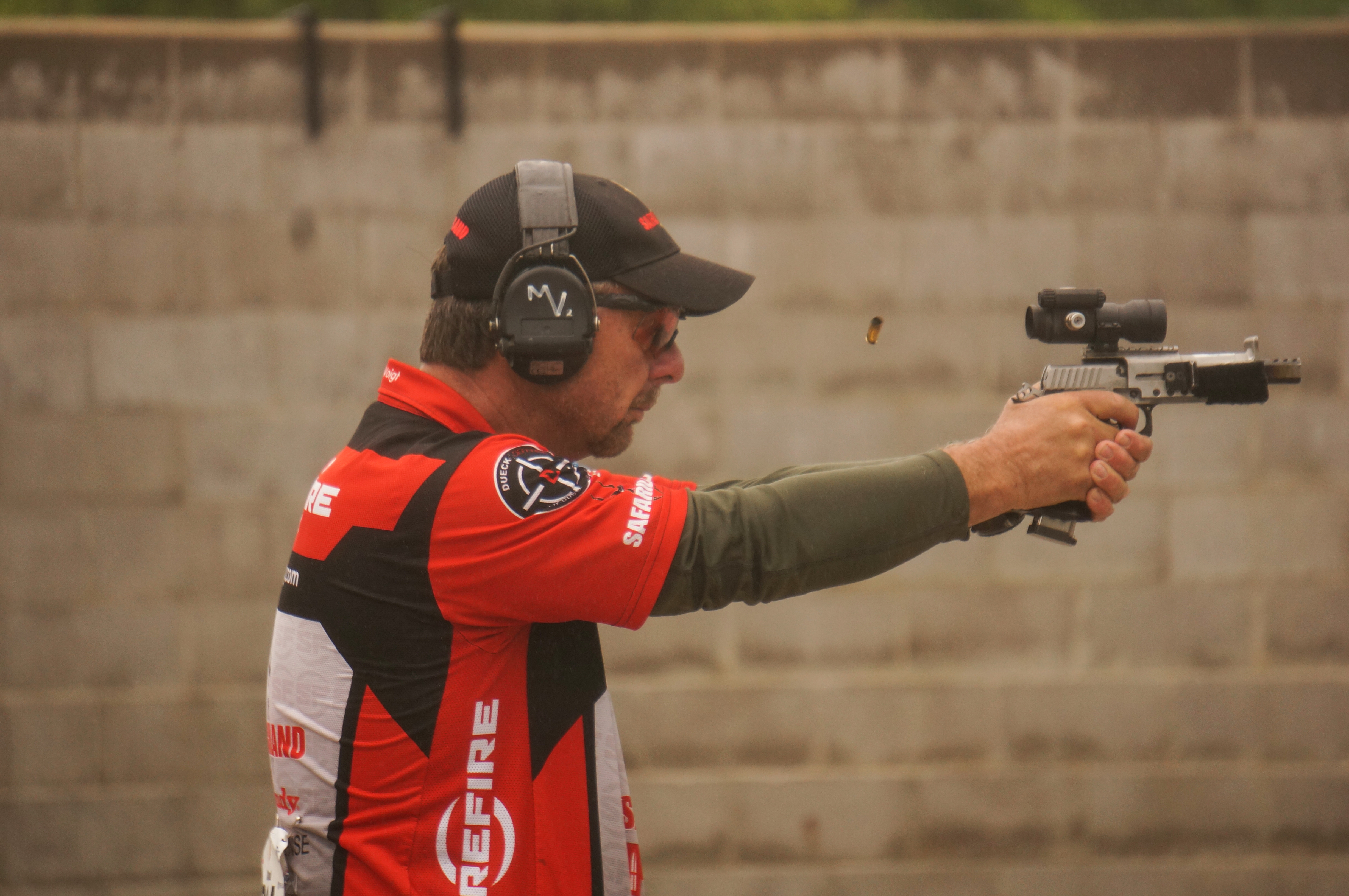
There’s really only one word for Day 1 of Bianchi Cup 2015: Miserable. I love this match, but sometimes Missouri is downright cruel. It was cold and rainy yesterday – Columbia saw a high of only 55 degrees. When you come out to this match expecting sunshine, being faced with pouring rain and 50-degree weather is a little disheartening. Of course, that may just be me, I had an impressively bad day. I got lost on the way to the range, missed my shooting time, and shot my worst Plates score on record, hitting only 17 plates. The rain also made it difficult to get good photos, Becky Yackley and I were both struggling with focus and lens issues throughout the day. Fortunately, Michael Voigt spared me some hand warmers, and that was the best part of my day. (Okay, it got better in the evening when I left the range).
That’s not true for everyone though – Dave Sevigny and Maggie Reese were among the shooters I spoke to who were feeling incredibly positive after the first day of the match. Maggie cleaned the Plates and then, after last year’s devastating time-out, dropped only one eight on the Mover for a score of 478, putting her in an excellent standing in the Women’s championship. Dave only dropped 8 points on the Practical, leaving him feeling positive about the Production match. There could be some interesting upsets this year, and I’m excited to keep following the progress. I haven’t seen scores yet, but I’ll look for them at the range today and keep you all posted.
Until then, some photos:
B.J. Norris shooting the Practical
Maggie Reese on the Mover
Maggie Reese AFTER the Mover
B.J. Norris shooting the Practical
Michael Voigt on the Mover
Michael Voigt on the Mover
Michael Voigt on the Mover
Maggie Reese AFTER the Mover
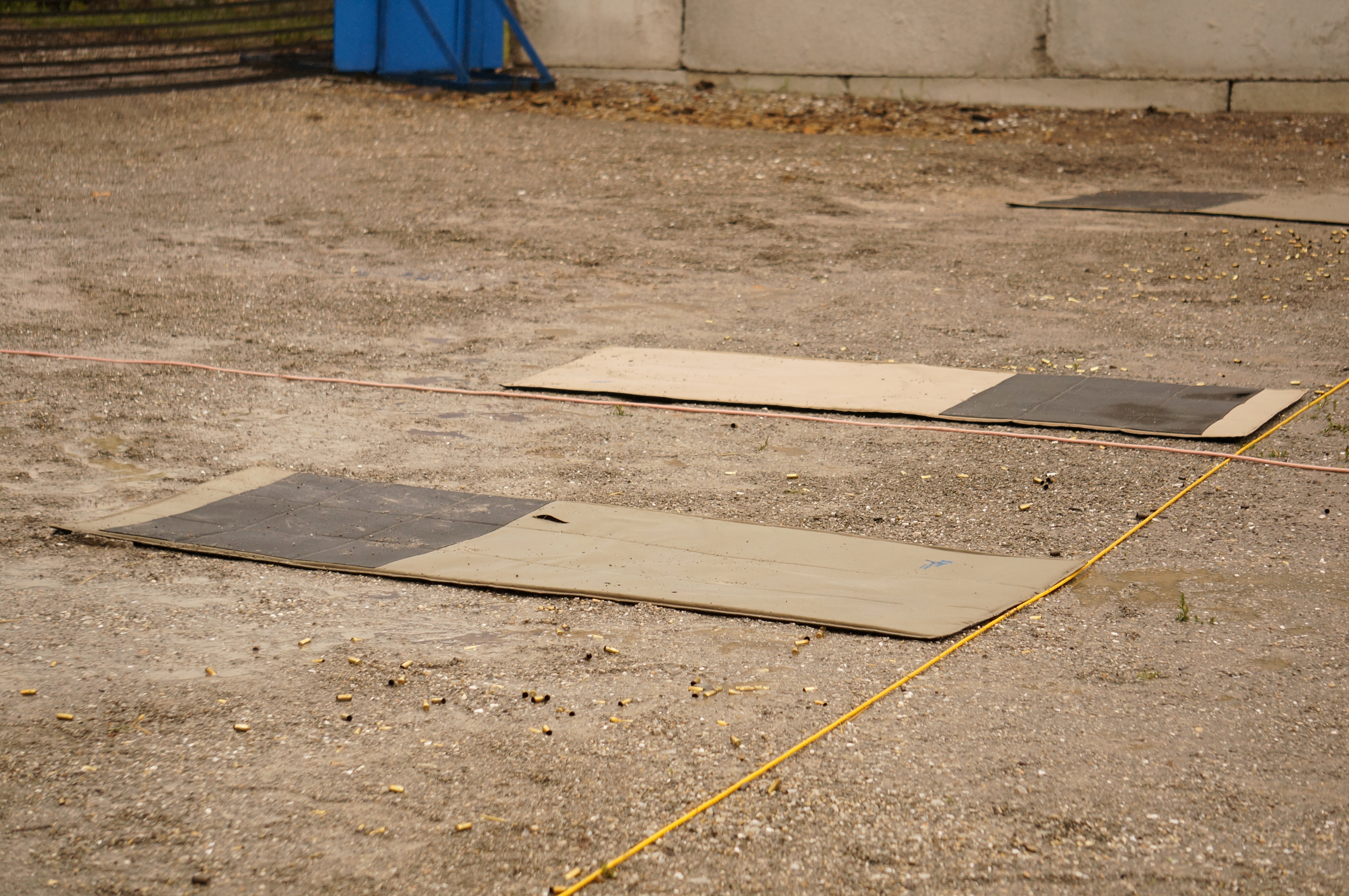
Shooting mats in puddles at the Practical.
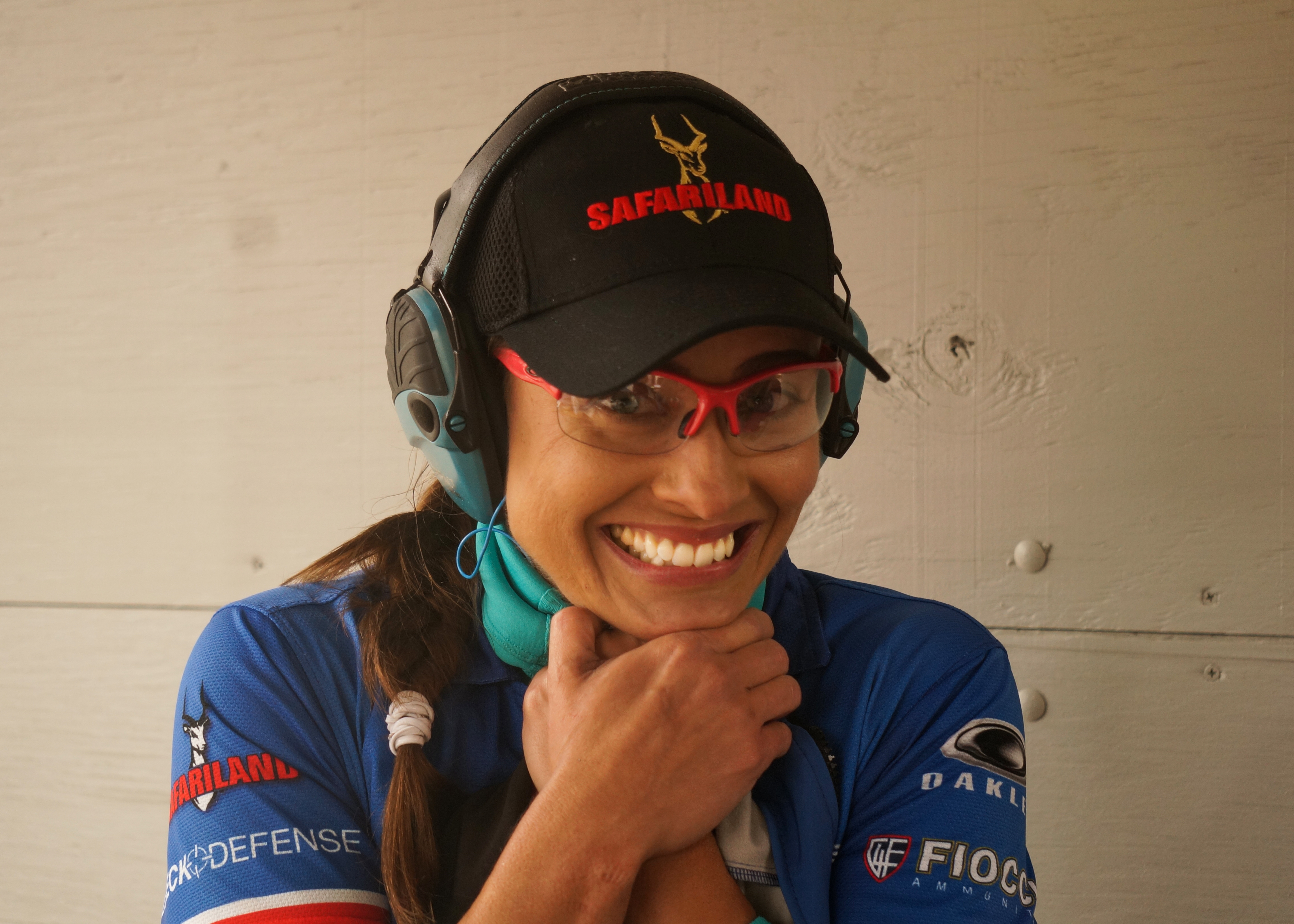
Fun with Julie Golob
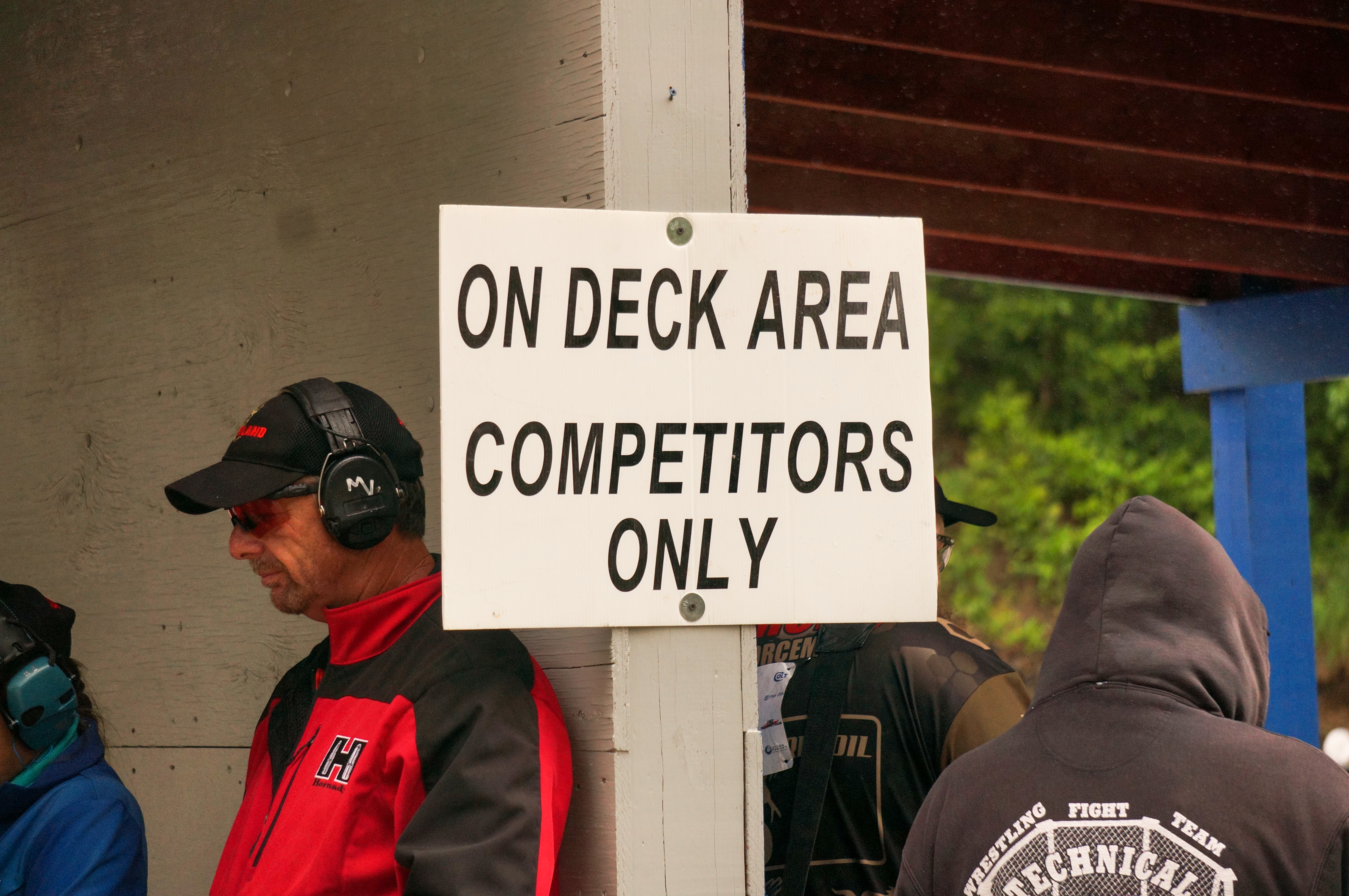
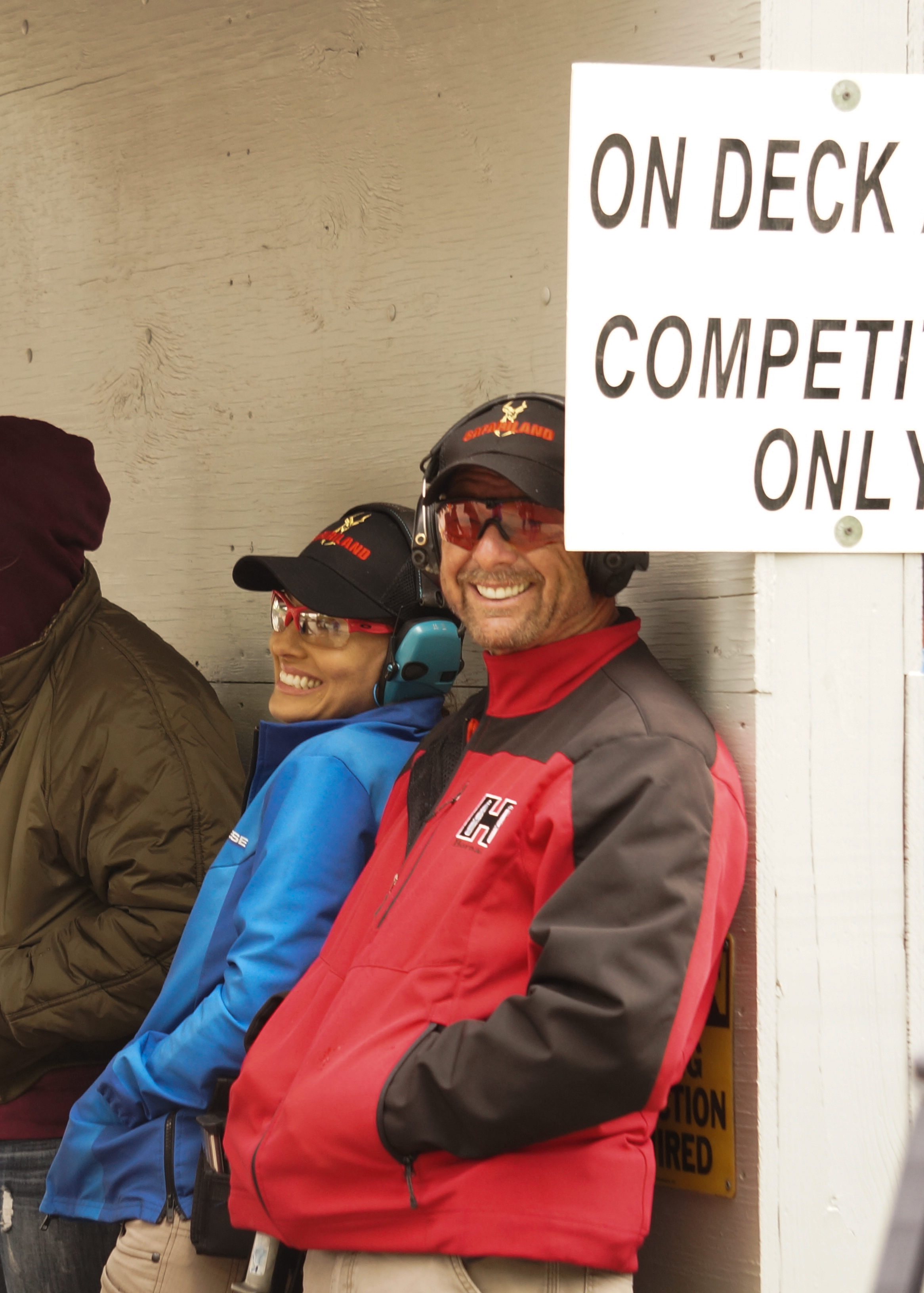
Michael Voigt and Maggie Reese waiting to shoot the Mover.
We use cookies to optimize our website and our service.
Functional
Always active
The technical storage or access is strictly necessary for the legitimate purpose of enabling the use of a specific service explicitly requested by the subscriber or user, or for the sole purpose of carrying out the transmission of a communication over an electronic communications network.
Preferences
The technical storage or access is necessary for the legitimate purpose of storing preferences that are not requested by the subscriber or user.
Statistics
The technical storage or access that is used exclusively for statistical purposes.The technical storage or access that is used exclusively for anonymous statistical purposes. Without a subpoena, voluntary compliance on the part of your Internet Service Provider, or additional records from a third party, information stored or retrieved for this purpose alone cannot usually be used to identify you.
Marketing
The technical storage or access is required to create user profiles to send advertising, or to track the user on a website or across several websites for similar marketing purposes.