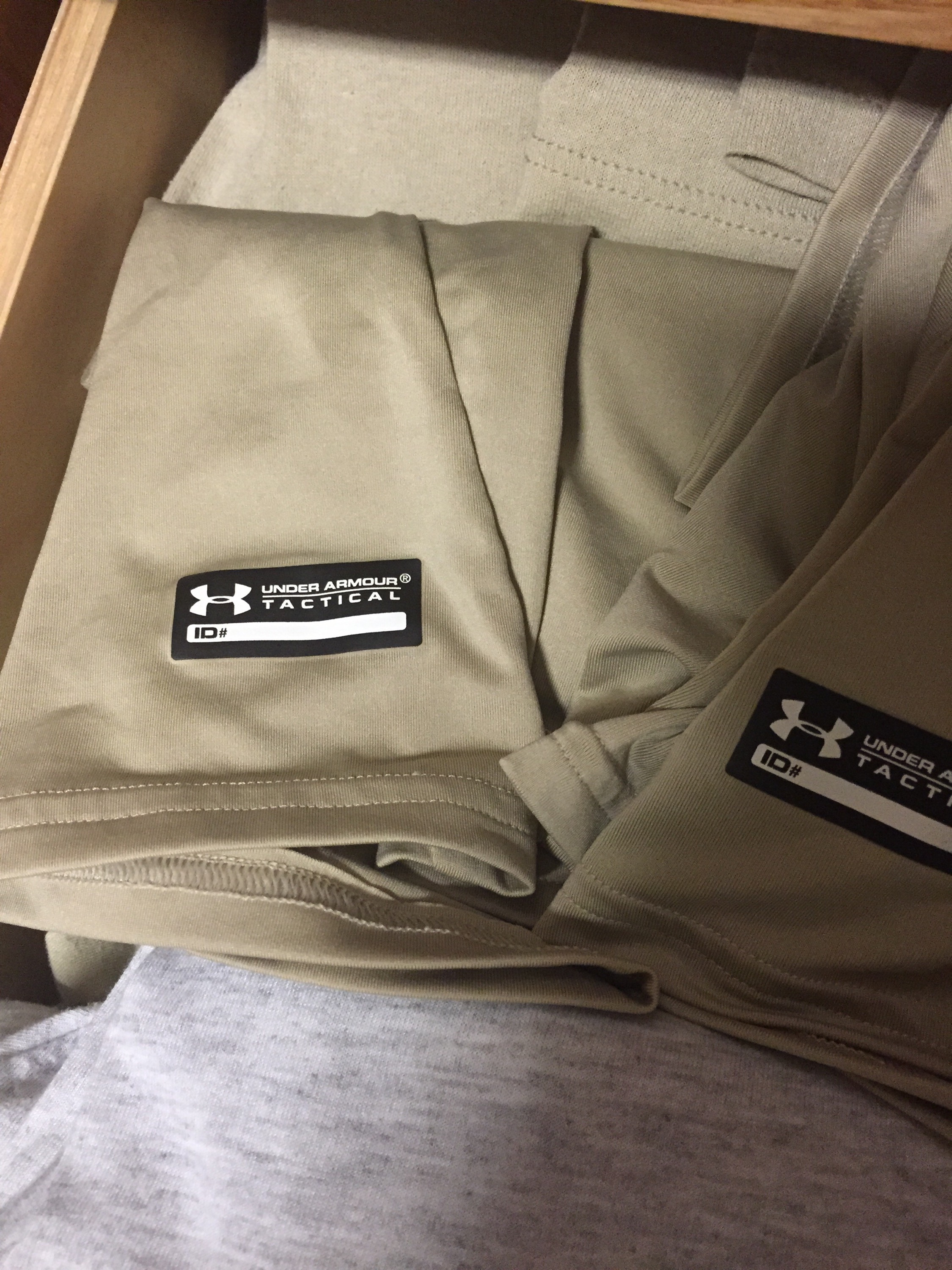
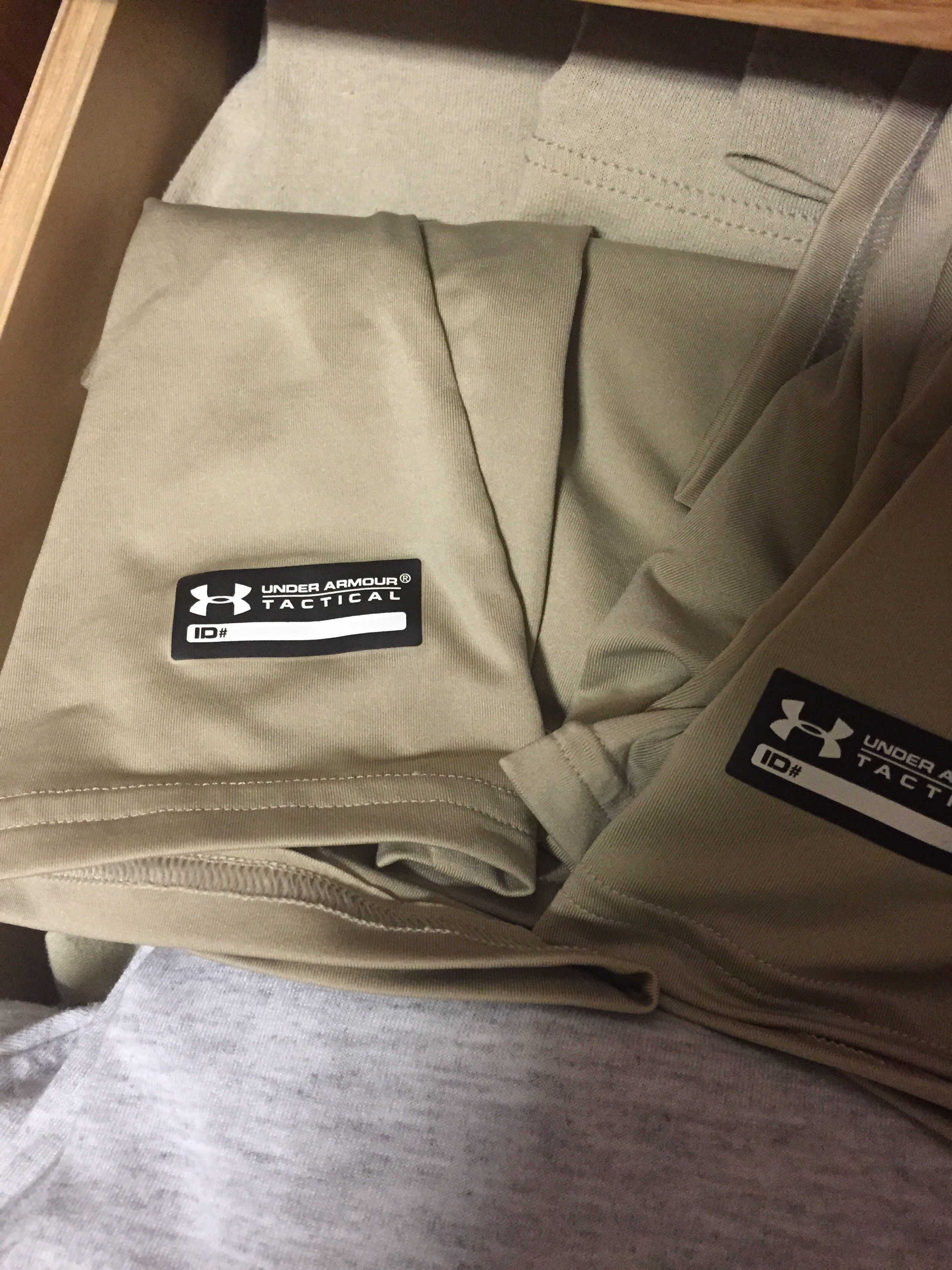
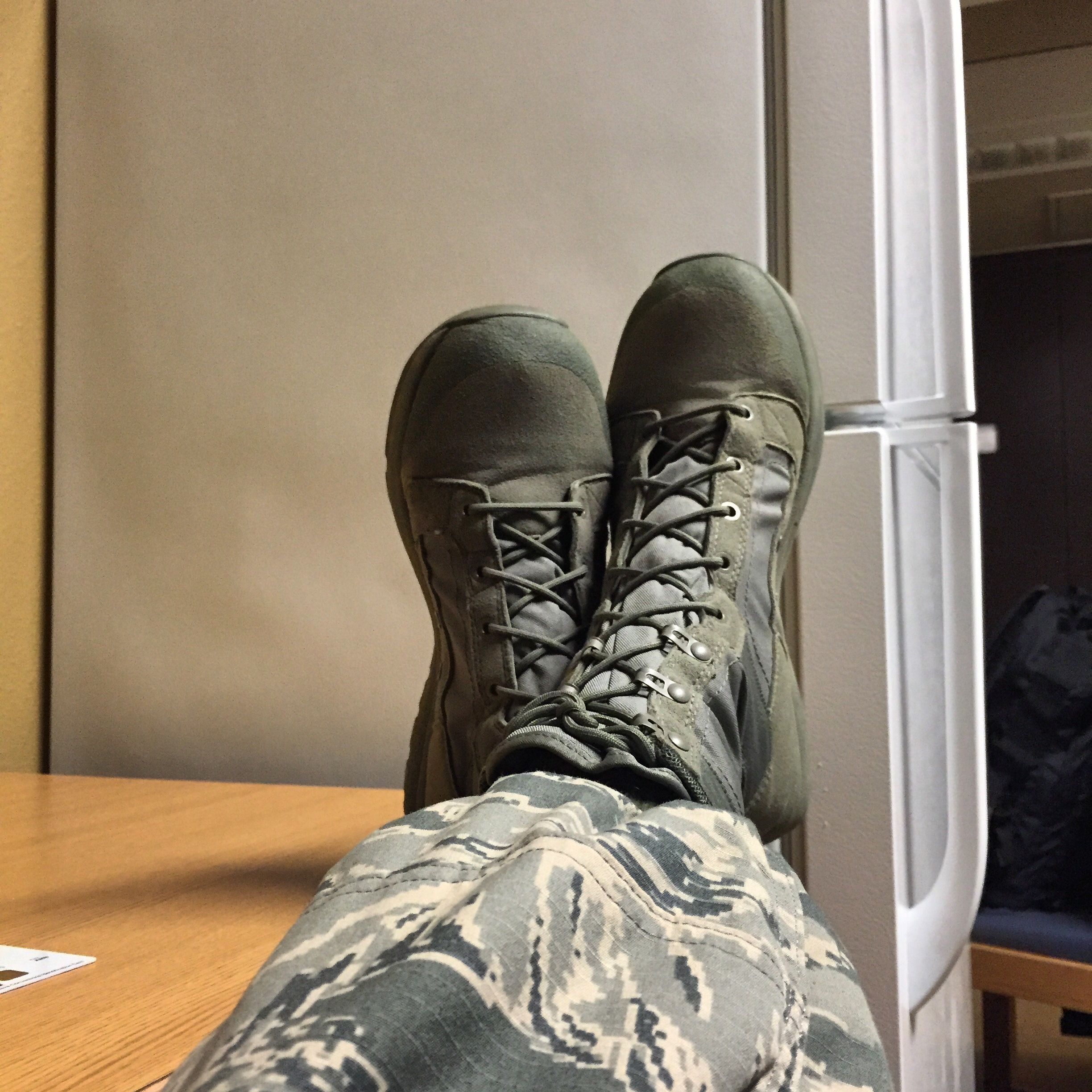
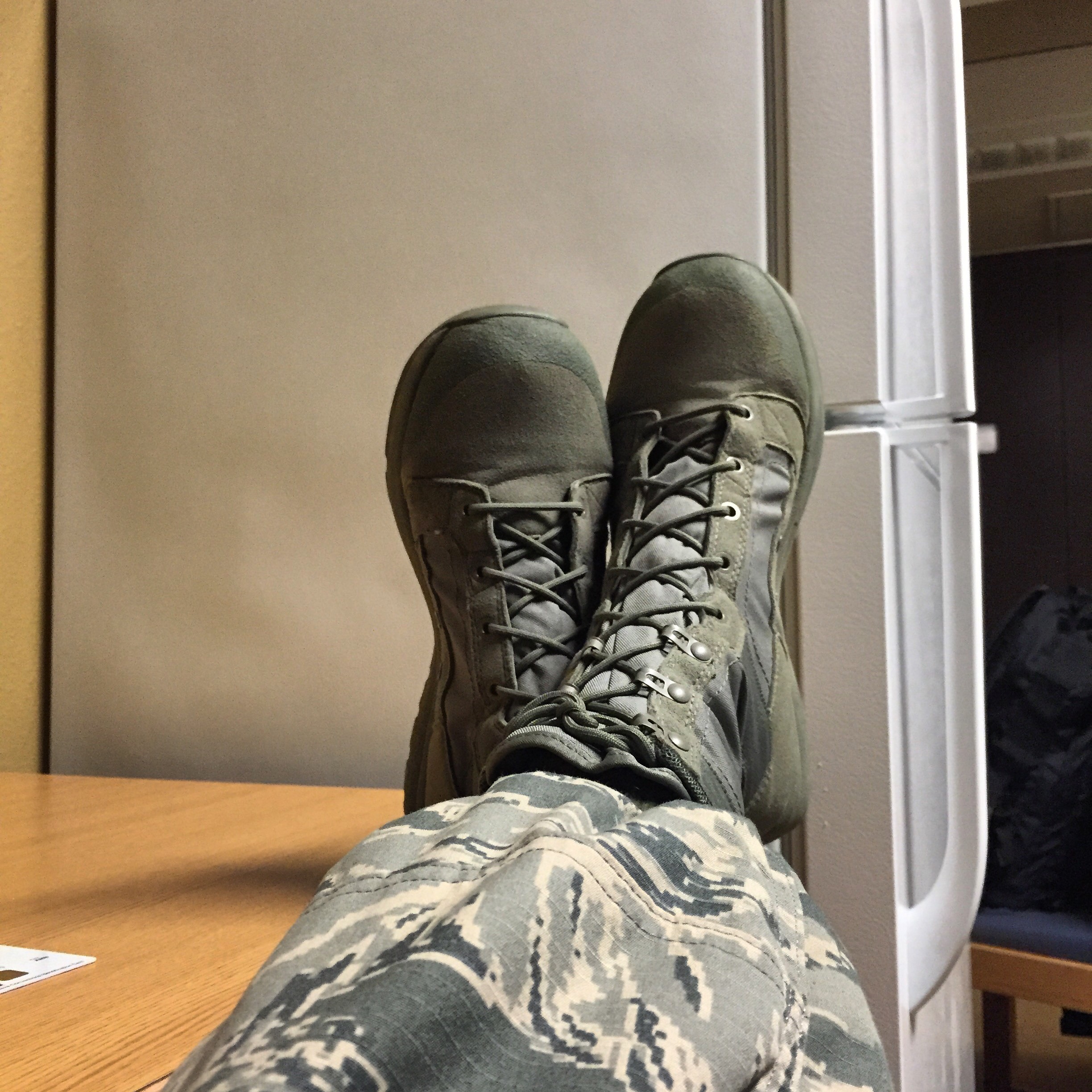
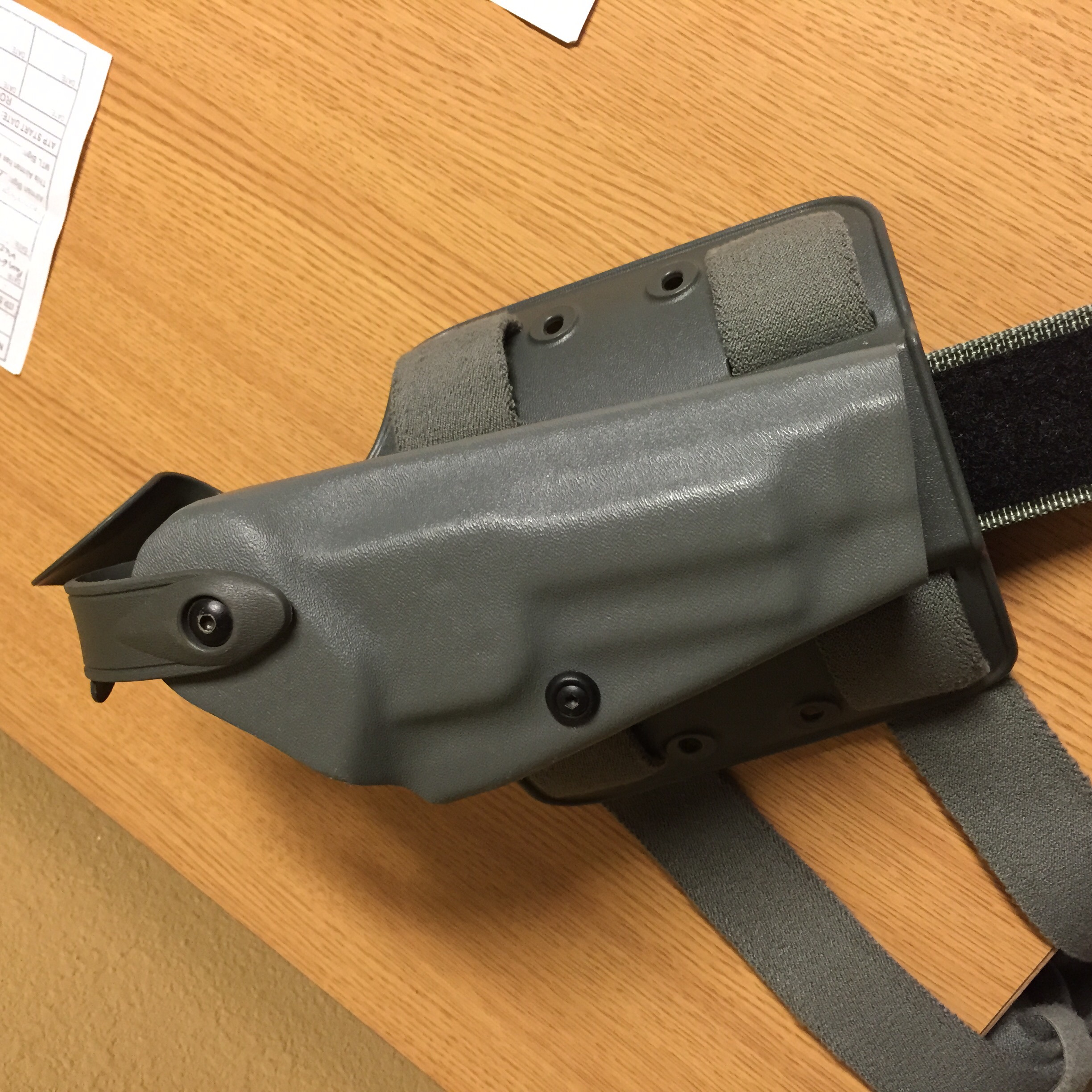
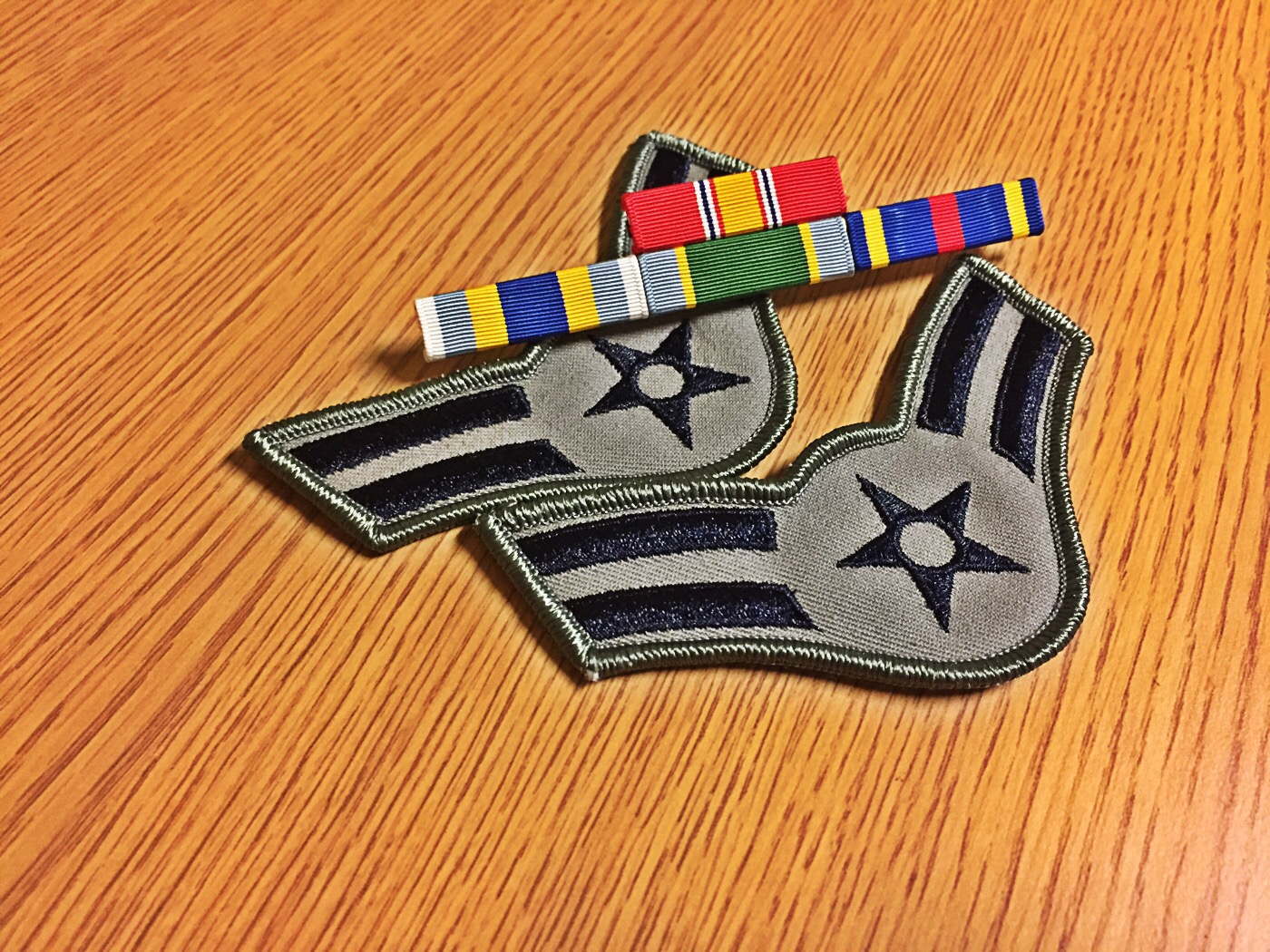
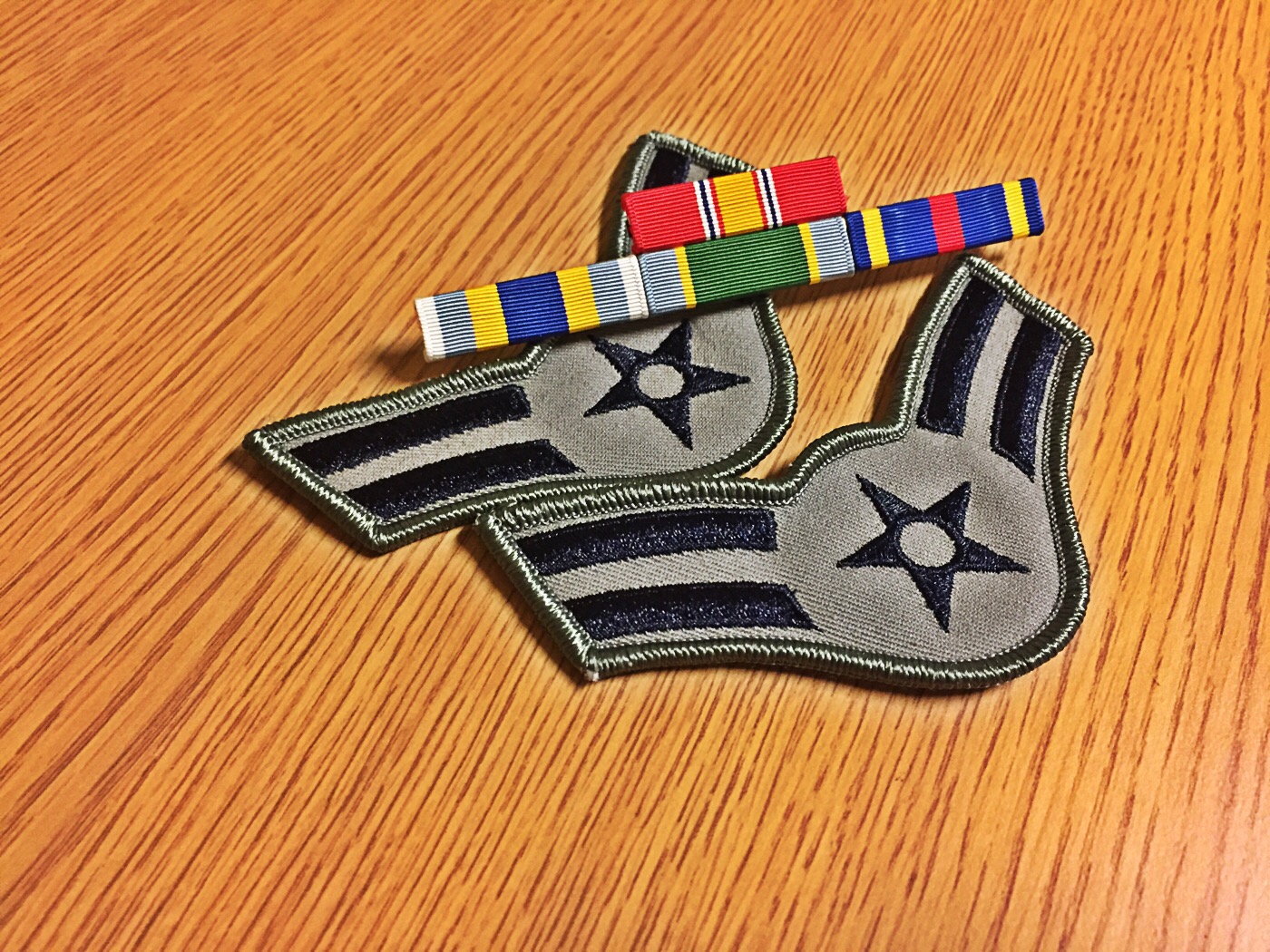
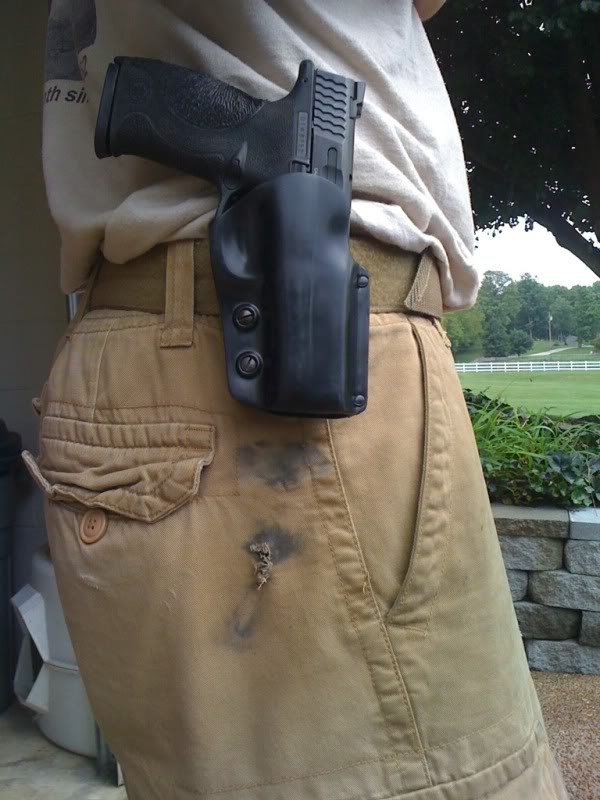
Being at tech school on one of the largest joint bases in the states, I’m constantly bombarded with tactical advertising and products. Of all the players, Under Armour has their fingers in the most pies, offering everything from sunglasses to shirts and socks. Oddly, Under Armour doesn’t offer boots in sage green, preventing me from having a uniform made entirely of UA gear.
What’s oddly noticeable is Nike’s lack of presence in the tactical clothing market. While you’d think that Nike would want a piece of the market for gear that goes under the uniform. Sand t-shirts and boot socks being the big two, obviously. But instead, they recently discontinued their pro combat line in military colors, effectively conceding that area of the market to their competitors. However, unlike UA, Nike is huge in the boot market, with their Special Field Boot enjoying tremendous popularity. I see SFB on quite a few people when I’m out and around the base.
There are other players too, but none with a presence as big as UA. What’s interesting to me about all this is how most of the other players have basically conceded the .mil/tactical market to UA. But why? I suspect that at least with Nike, it’s a case of being late to the game. UA was the upstart, back in the day, playing second fiddle to Nike in the “mainstream” sports environments. So they went hard after sports that weren’t as “big” as football, for example. Their hunting gear has always been excellent, and from there it was a logical expansion into tactical/military items. Then one day, Nike realized that UA was a threat, and decided to get into some of UA’s established markets, but never was really able to wrap their head around the tactical space. Maybe it’s cultural within Nike, but their efforts to market their military focused lines always seemed forced and weird; whereas UA’s tactical commercials made me want to shoot bin Laden.
That pretty much brings to us to where we are now, with UA enjoying dominance in the tactical market. And because they also print money from their non-tactical lines, war fighters and POGs alike benefit from technology that was originally designed to help professional athletes perform better in extreme conditions. The only company in the traditional firearms community that could challenge UA might be 5.11, and they’d need to spend a ton of money to do that, which frankly I don’t see happening.
Handguns are machines made up of a number of individual parts all working in harmony to achieve a particular goal. If we use these machines with any frequency, sooner or later some of those parts are going to wear or break to the point where they stop working in harmony with the rest of the parts and the gun ceases to function. The magazine of a semi-automatic firearm is also a machine and is the component of your semi-automatic firearm that is most likely to fail.
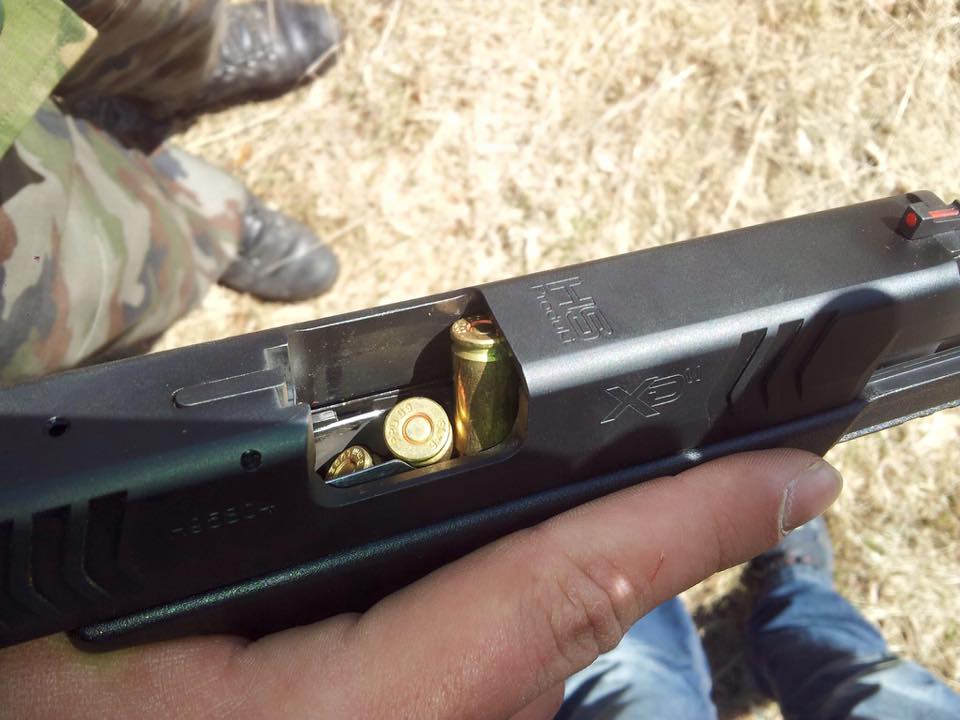
They can fail in many ways…some blatantly obvious, and some not quite so obvious. A magazine with a visible crack or severe dent is pretty easy to see. A magazine with feed lips that have been spread due to wear and tear or just shoddy materials and construction is not quite as easy to see…at least not until you actually try to use the firearm. Then suddenly you get this:
Worn, damaged, or just crappy magazines can really complicate your life. Photo courtesy of J.P.
There are multiple problems at play in this picture. Firstly, the follower of the magazine has apparently become stuck in the magazine tube. This happens occasionally if the magazine gets dirty or the magazine tube itself is damaged or manufactured poorly. A weak magazine spring or broken/marred follower can also result in the follower sticking in the tube which removes spring tension on the rounds in the magazine and allows them to flop around.
If that circumstance is combined with a magazine with feed lips that have spread out over time due to wear or bad metallurgy, you end up with what you see in the picture above. The follower was no longer applying pressure to the rounds and the feed lips are so spread out that they don’t effectively hold the cartridges within the magazine. The end result is that the chamber of this pistol ends up looking like a particularly unsuccessful clown car impression.
While all magazines will eventually break or experience problems, some of them are more prone to doing so than others. One of the reasons the Springfield XD line has not been adopted by more law enforcement agencies is due to the fact that their magazines tend to tolerate abuse with much less grace than those for, say, a Glock 17 or a Beretta 92. In my experience, XD magazines tend to suffer breakages or damage more easily than factory-quality magazines from Glock, Sig, Beretta, and Smith & Wesson. Others with more experience than I bring to the table have noted this tendency as well.
Of course, XD magazines are not the only ones that can experience problems. All magazines will eventually stop if you cram enough crud in them. I’ve experienced a follower freeze-up with a factory Beretta 92 magazine, but that was during a training course where we experienced torrential rains just short of tropical storm level. That storm turned the range into a gravely mud pit which is not ideal conditions for working on speed reloads. There was actually standing water on the range deep enough to submerge the magazine. It was also stepped on several times, driving the magazine into the mud until it was full of enough mud and small gravel to stop the follower. I picked up the magazine from the muck and a round fell out. I noticed the others were loose in there, deduced what had happened, and then gave the magazine a sharp smack which freed the follower. (Hooray for good magazine springs) The magazine ran just fine for the rest of the day, but I didn’t use it again after that day until I had the chance to clean it.
Dropping magazines, especially partially loaded ones, on the ground is often very hard on the magazine. Apart from dirt, mud, and other detritus that gets inside the magazine, baseplates and feed lips will sometimes crack, and tubes will sometimes bend or dent. This fact is, believe it or not, where the so called “tactical reload” came from. I actually discussed this with Tom Givens in his Intensive Pistol Skills class a few weeks ago. In the early days of Gunsite the gun that 99.99% of people showed up with was a 1911. In those days there was no Wilson/Rogers 47D magazine and folks didn’t show up to classes with massive piles of magazines for training. Everyone was using GI or factory Colt magazines in their guns. Dropping these magazines on the crushed granite of the range ended up destroying them to the point of students almost put out of commission because they didn’t have any functional magazines left. If the magazines never hit the granite, then you never have that problem, right? VIOLA!! The “tactical reload” as we know it was born. Just think: All that arguing about reloads you see on the internet dates back to a practice adopted to get around the fact that 1911 magazines circa 1977 sucked out loud. Stew on that one for a bit without getting depressed. I dare ya.
I know of police departments who have had magazines that outlasted the career of the officers those magazines were issued to. I’ve encountered police officers carrying magazines that were originally issued a decade and a half before the officer currently carrying them was even in the academy…and all that time without a single spring change or cleaning. It was actually a violation of policy for the officer stuck with those magazines to do any preventative maintenance on them like changing the magazine springs or cleaning them. Now that he’s no longer at that agency I can happily report he violated those policies and maintained his magazines. He determined he would rather risk disciplinary action on the off chance that someone cared enough to notice he replaced magazine springs than to risk death when they caused a stoppage in a gunfight. To paraphrase Tam, magazines are not the frickin’ family silver. They need to be cleaned occasionally, maintained occasionally, and replaced hopefully long before they start puking bullets into the chamber three at a time…and yet many citizens and sadly even many law enforcement agencies neglect to maintain or replace magazines when necessary.
So here is my quick and dirty list of magazine tips and tricks:
1. Use factory quality (or better) magazines in your pistol
With some notable exceptions (like the 1911) the factory magazines are likely to be the most durable and reliable magazines available for your pistol. Use them. Yes, they will likely be more expensive than some aftermarket magazines but there is a reason: They will work more reliably and last longer. One of the big sources of complaint about the M9 pistol in the military was due to somebody in the bean-counting section of the Pentagon getting a visit from the good idea fairy and issuing a bunch of really crappy aftermarket magazines that choked whenever exposed to sand. (Because it’s not like our troops ever go to sandy places, right?) They saved a few bucks in the short run but in the process turned a bunch of M9 pistols into paperweights. Don’t repeat that mistake. It’s just not worth it.
2. Inspect magazines and replace magazine springs regularly
The magazine spring wears each time it is compressed and decompressed. If you load and unload a magazine frequently it will wear the spring pretty quickly…some springs more quickly than others. If the magazine spring is too weak it will not get the next round into feeding position at the proper time during the feeding cycle, and that can lead to a number of different types of stoppage. Some magazine springs are sufficiently anemic that even being compressed and left alone will cause them to “set” and hinder reliable function. Springs are relatively inexpensive and you can keep them on hand without too much trouble. On a carry gun you may want to consider replacing the springs in your carry magazines once a year as cheap insurance.
3. Have dedicated training magazines and dedicated carry magazines
As I mentioned earlier, typical training tasks are hard on magazines. It would be wise to have some magazines you can beat the daylights out of without consequence while reserving a few magazines solely for regular carry. I want to treat my carry magazines with care and caution so that there’s less of a chance of a magazine related failure should I need to use the weapon in self defense. Labels, colored tape, and spraypaint are pretty cheap, so it’s easy to make a magazine visible as a training-only magazine.
4. Clean your magazines
Most pistol magazines can be disassembled for parts replacement and cleaning. Every now and then it doesn’t hurt to take your magazines apart and inspect the inside of the tube for dirt, debris, or damage. You would be amazed at what sort of stuff you find stuck inside your magazine tube. I’ve found dirt, dust, bits of paper wrappers, lint, and even the remains of a couple of insects…all things that guns don’t like to eat. Dust and other light crud can be easily removed by a clean cloth. Mud and caked on dirt may require more aggressive action like a bottle brush. Here again I would make particular effort to clean my dedicated carry magazines on a more frequent schedule than my training magazines. Even when carried on your body in a proper magazine holder you’d be surprised at how much crud works its way into your carry magazines.
5. Be willing to throw magazines away
Magazines are wear items. They will eventually suffer a breakage or damage that is irreparable. When that happens you have to be willing to toss them in the garbage (or recycling bin) and move on with your life. They are a tool, they’ve served their purpose, and now they no longer perform their required function. Ditch ’em.
I have had the (mis)fortune of attending some form of basic military training twice now in my life. The first time was the Coast Guard Academy’s Swab Summer + 4/c year at the Academy in New London, and the second time was just recently, attending Air Force BMT at scenic Lackland Air Force base. Swab Summer was 15 years ago, and in the intervening decade and a half, kind of a lot has changed. Now, it’s not fair to compare the trainings on a 1:1 basis, because the Coast Guard and the Air Force have different missions and cultures, but there are some interesting differences that are worth talking about.
The first, and most important difference is the level of physical intensity. Swab Summer was FAR more physical than AF BMT. At that time, our cadre could put us on our faces pretty much whenever they wanted, with very limited restrictions on when and how they could PT us. I remember two incidents with tremendous clarity: runnin library hill at the Academy until swabs were puking, and doing push-ups to absolute exhaustion on my 18th birthday. There was also mandatory PT 6 days a week. Air Force basic takes a more restrained approach, with mandatory PT six days a week as well, but with strict limits on when and how Military Training Instructors can use physical training as a “motivational tool” on flights.
Another huge contrast is the way cadre/MTIs speak to swabs/trainees. At BMT, MTIs are expressly forbidden from cursing at or insulting trainees. At Swab Summer 15 years ago, cadre weren’t supposed to curse at us…but that certainly didn’t stop them. They also made us perform tasks that would currently be viewed as hazing. A great example is being forced to stand in your room turning the lights on and off over and over while repeating “I’m Tom Bodet from Motel 6 and I leave the lights on” as punishment for leaving the lights on. That wouldn’t fly today.
Interestingly to likely only me is that Air Force training placed a much higher emphasis on the learning environment than Swab Summer. Obviously the actual Academy places a huge emphasis on class work, but in general I found that the Air Force seems guinely interesting in using BMT as a tool to enable airmen to think.
It would be easier for me to look at the surface differences between the two experiences and say that the military has gone soft. But I also think that’s exactly the kind of lazy thinking that gets us into trouble and ignores both the incredible changing culture and the constantly evolving way we fight our wars. Yes, 18 year olds entering the military today are different than they were 15 years ago. But I don’t know if they’re any softer than they were when I was there. They’re just different. The Air Force has to create a training environment for a generation that has grown up with access to the world’s knowledge at their fingertips. Having access to that kind of info has created a generation that needs to know why they’re doing something, and for whole the simple answer of “because it’s your f***ing job” simply won’t suffice. While I can imagine that the aforementioned attitude is maddening to MTIs, it also means that the resulting AF is smarter and more capable of adapting to evolving threats at a small unit level. As these young airmen become senior enlisted and officers, they can hopefully bring that change and adaptability to the Air Force at higher levels.
So sure, 15 years ago things were physically harder. But I honestly think the training is better today. You can’t take a 19 year old that’s had instant access to answers their entire life and simply expect them to shut up and color, and the military has had to adapt to that. That’s honestly not a bad thing. I think a lot of the criticism that people drop on the changing nature of BMT is simply “everything was better in the past” syndrome and not the result of honest examination. Because I can tell you in explicit detail how classroom work benefits new Airmen, but I have a hard time coming up with how suckfest PT smoke sessions at the Academy made me better at anything other than push-ups.
Apparently June of this year set new records for firearms sales. I’ve mentioned before that I have encountered a surprising number of people with a very recent interest in buying a gun and self defense in general. The sales numbers would seem to indicate that my experience is not exactly novel…but where do those newbies begin? Self defense is a rather complicated matter requiring knowledge and training in several different disciplines. Some of those disciplines are sufficiently deep that you could spend your entire adult life chasing mastery of them. Wouldn’t it be lovely, then, if someone compiled the majority of the information you absolutely need to know from relevant disciplines into a single easily digestible resource?
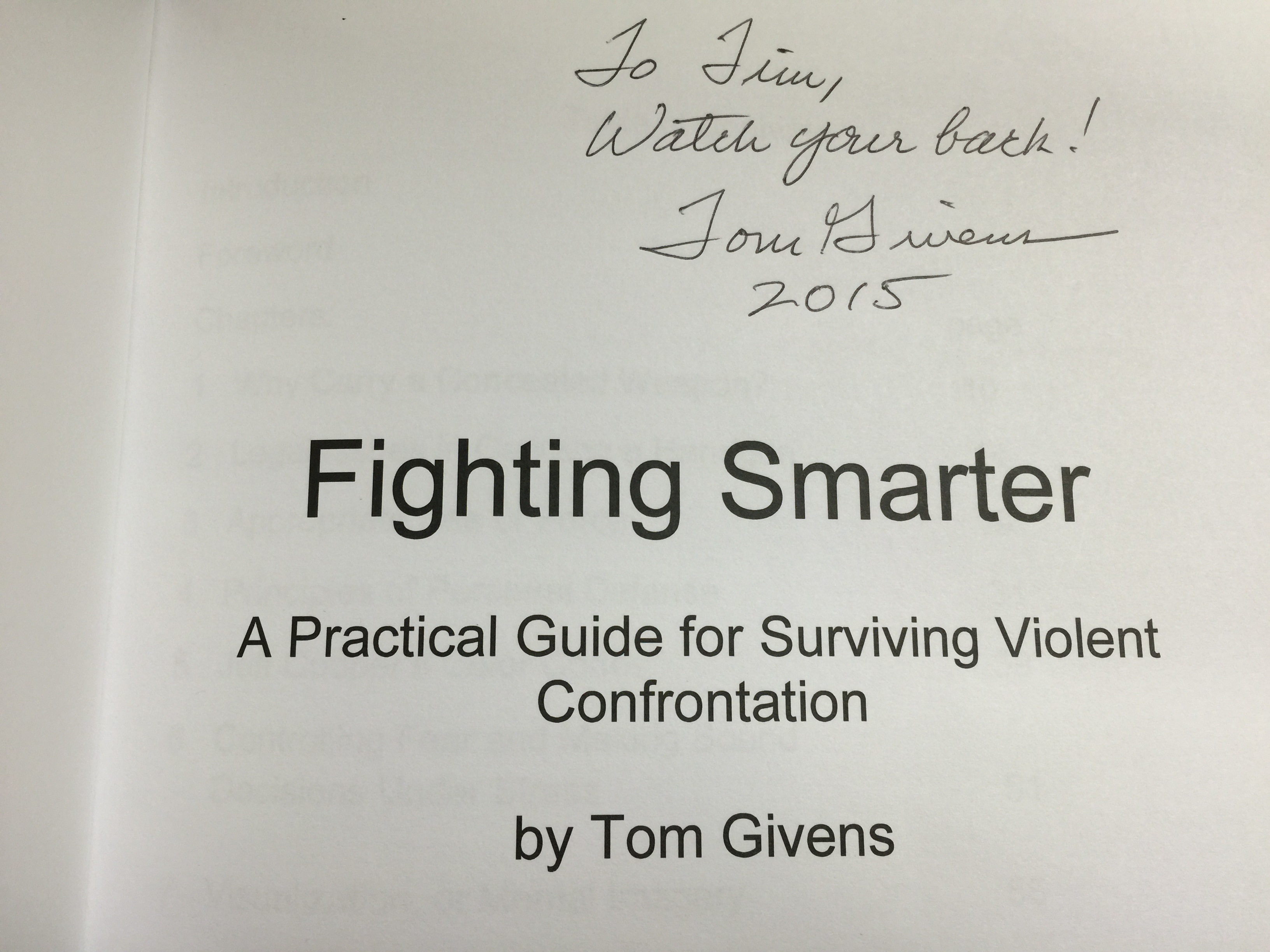
Fighting Smarter is a fantastic resource and a must for anyone seriously interested in self defense.
The book is organized into Fourty chapters, but the book itself is only 318 pages long. Each chapter is concisely constructed around a single topic and says only what needs to be said about that topic before moving on to the next one. Having spent a little bit of time around Tom I’ve noted that he seems to have quite a gift for getting right to the heart of the matter with succinct language. I joked with a friend that he could likely teach an entire 5 day class using nothing but one-liners. Tom’s writing is every bit as clear and direct as his instruction. Some writers use the English language like a dull axe, hacking away in hopes that broad strokes delivered in exhausting volumes is desirable because more words are always better. Tom’s writing is more like a scalpel. Very precise, focused, and effective. In discussing threat assessment for the Armed Citizen (Chapter 11) Tom deals with the idea of how much gun one should carry as effectively as I’ve ever seen it done:
“I have investigated or studied literally thousands of shootings over the last four decades, including over sixty cases involving my own students. I can assure you, in a life threatening crisis you will be zero percent involved, or you will be one hundred percent involved. You will never be forty percent involved in a gunfight!”
The first twelve chapters combine to make up one of the most effective breakdowns of fighting mindset that you are going to encounter. “Mindset” is a term that is much abused in self defense and firearms discussions because people often treat it like it is some sort of magic fairy dust that gets sprinkled on whatever crappy situation you’ve set yourself up for to make it all OK. In reality mindset is the cultivation of mental state, acquisition of skill, and careful selection of equipment well in advance of the fight that allows you to not survive but prevail in a violent encounter with a hardened criminal. In the first section of the book Tom explains:
How common violent crime actually is in the United States
The kind of people who commit violent crimes
The kind of damage those people do to honest citizens on a daily basis
The principles of personal defense
Learning to control fear
Establishing hard lines for lethal response well in advance of a violent encounter
…and a number of other crucial topics relevant to the defense minded individual before going on to provide the same expert guidance in regards to structuring a training program, buying a gun, selecting ammunition, dealing with the immediate and long term aftermath of a self defense shooting, etc.
In Fighting Smarter, Tom has distilled a great deal of knowledge and experience into easily digestible presentations. You could do a deep dive on any topic covered in the book, but after processing all the information you can find you will figure out that Tom’s got the essence of the thing down and laid out in a few concise paragraphs.
In the future when I am asked where someone should start with learning about self defense, I’m going to recommend this book. I can’t think of another non-training resource that will lay a more solid foundation for building a capable Armed Citizen than Fighting Smarter. If you don’t have this book, go get it. Then pass it on to family and friends. It doesn’t matter if you are brand new to self defense or if you’ve had more formal training than I have…there’s much in this book that everyone can learn.
The Glock 17 burst upon the world pistol scene in the 80’s. Chunky, inelegant, having a polymer (“PLASTIC?!” the purists cried) frame, and…..lacking an external safety but for the tab on the trigger. Naturally, everyone kept their boogerhook off of the bangswitch and everyone lived happily ever after, right?
Well, no. Several lawsuits were filed by law enforcement personnel. Many of these lawsuits were attempting to blame Glock for negligent discharges when disassembling the pistol in order to clean as one must pull the trigger in order to disassemble it. Nonetheless, there were and inevitably will be more, lawsuits resulting from negligent discharges when attempting to reholster a Glock pistol. Some examples are:
So, do we have a mechanical problem with Glocks and other pistols that have the safety on the trigger or do we have a training problem? Obviously, every pistol owner should take a training class that goes beyond the good Lieutenant Colonel’s Four Rules. However, with full time law enforcement personnel experiencing negligent discharges from their issued Glocks they were trained to use, should we not expect negligent discharges from Glock owning citizens? The answer is “yes” and aside from the very real (though not widespread) danger of negligently firing a Glock when reholstering, Glocks have many virtues:
fairly corrosion proof
Not difficult to learn how to use effectively
Not expensive
Extremely reliable and durable (please ponder the difference between the two)
A simple design, easy to clean and work on
So, some years ago a visionary met the engineer who could implement his vision. No, I am not talking about the venerable Woz and Jobs but rather the shooting instructor “ToddG” and his student and friend Tom Jones. ToddG had an wistful dream. You see, ToddG is known far and wide for personally choosing to carry his pistol at the appendix position and inside his waist band, popularly known as “AIWB” (Appendix Inside Waist Band). ToddG was in the middle of one of his famous fifty thousand rounds in six months pistol tests and the current test pistol was a Gen4 Glock 17. ToddG had learned to enjoy the additional safety of reholstering his test HK P30 with his thumb on the hammer, thereby effectively negating any chance of a negligently discharged bullet hitting either his groin or his femoral artery. ToddG wished aloud in Tom’s presence something along the lines of “I wish I could reholster a Glock like I did my P30.”
Sometimes, a spark like that is all you need. Tom thought upon ToddG’s idea and went to the pen and napkin drawing room. The next day he presented ToddG with his idea. After that day, he went to his workshop and thought, designed, and built what is now known as the Gadget Striker Control Device (for the sake of brevity, I will refer to it as the Gadget).
The Gadget is a safety device for Glock pistols. It is two pieces of metal that replace the Glock’s slide cover plate. It has one moving part. Upon inspection of a Gadget installed Glock, the observer must carefully examine the pistol to ascertain what aftermarket part has been installed. Should the Gadget have its lone moving part broken (this has not happened in four years of testing), the pistol will continue to function. The Gadget is for all intents and purposes, aesthetically identical to the factory OEM slide cover plate. Functionally, it is also corrosion proof and insofar as four years of testing by dozens of testers can rule out, idiot proof. Maintenance is very nearly fool proof. Apply one drop of lubricant (I used Slip2000 EWL) to each side of the lone moving part. That is it.
Installation of the Gadget is not an involved process. Unload your Glock. Do this again, four times. Move to a room with no ammunition in it. Retract the slide on your Glock, engage the slide stop. Turn the weapon upside down on a flat surface, resting it upon its sights. Take a smaller flathead screwdriver or a knife tip or a ballpoint pen tip and press the spacer sleeve (part #6 on this diagram) forward, that is towards the end where the bullets come out. Pushing towards the bottom of the slide with your other thumb, remove the slide cover plate. Keeping the spacer sleeve depressed, slide the Gadget in until it covers the spacer sleeve and then you will have to depress the spring loaded bearing and slide the Gadget until itclicks firmly into place. Cease pressure on the spacer sleeve, disengage the slide stop and allow the slide to go forward. Rack the slide and inspect the chamber to assure yourself that no phantom rounds have been chambered. Pointing the weapon in a safe direction, attempt to pull the trigger with your strong side thumb on the Gadget or where the slide cover plate was. If you have installed the Gadget correctly, any pressure on the trigger will be instantly felt by your thumb that is resting against the Gadget. Furthermore, your thumb’s pressure on the Gadget will easily overpower any pressure on the trigger.
The actual patent for the Gadget Striker Control Device illustrates the elegant simplicity of the design. This is a schematic of the device itself. Pictures being sometimes louder than words, click this link to see exactly how the device keeps the Glock’s striker from moving to the rear and thereby canceling out the firing process.
So what is it like in practice, having a Gadget equipped Glock? Reassuring. Once you teach yourself the nearly instinctive placement of the thumb upon the Gadget, muscle memory takes over. Whether it be my Safariland GLS, my JM Custom AIWB, or my JM Custom IWB 3 holster, I always thumb the Gadget when reholstering. It would take conscious effort not to do so. I have been personally using a Gadget during training, some competition, and personal practice for nearly four years including one Vickers Tactical class. The device has never malfunctioned for me nor any of the other dozens of people who were testing it. It requires perhaps two drops of oil every few thousand rounds. It develops a slight bit of surface wear and then stops wearing. In my opinion, Glocks need at least two upgrades from the factory: decent sights and a Gadget.
So, the inevitable outcry will be shrill. “Glocks don’t need additional safeties!” “THIS is my safety.” “It’s just a trinket.” “This is NO substitute for training.” (I absolutely agree with the last). My personal favorite is “This will get you killed on the streets in a gun grab if your attacker grabs the rear of the slide and disables your Glock!” This moronic argument completes ignores the existence of hammer fired pistols that can be disabled in an identical manner such as the HK P30, M1911A1, Sigs, the Browning Hi Power, and so on. Watch Tom Givens put that silly argument to rest in this video where he demonstrates how you can disable a Glock without a Gadget. And so, will the predictable phrases be uttered by those who have not used one of these devices nor even have seen one in person. However, if you think you would like to be able to reholster a Glock in a completely safe manner using a simple device that will not break and that if used properly, will guarantee you will not say have a negligent discharge due to a drawstring on your jacket getting in the trigger guard. Furthermore, the man when it comes to actual fighting with guns, ground fighting with guns, and training you how to deal with a gun grab; Craig Douglas AKA “SouthNarc” of ShivWorks has the following to say about the Gadget:
Todd gave me two gadgets a few years ago to put on two Glock 17 Sim guns to test this very issue. I ran them for a year and in that time had about 500 entangled gun fights with them in my coursework. I have yet to see the Gadget be the factor in a failure to fire. The vast majority of the time if it’s a failure to fire it’s the slide being pushed out of battery.
You may purchase a Gadget here at IndieGoGo. The current Gadget has been tested on 9mm, 40, 45, and 10mm Glocks of all frame sizes. The only Glocks that will not accept the current Gadget as-is are the 42/43. Specific decisions and plans regarding those models have not been finalized but it’s safe to assume that it’s being looked at seriously.
The Gadget installed in my Gen4 Glock 17
This picture illustrates how the Gadget moves with the pistol’s striker if the striker is being engaged.
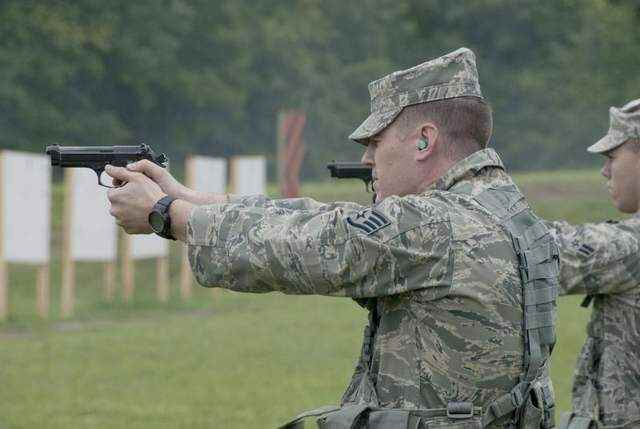
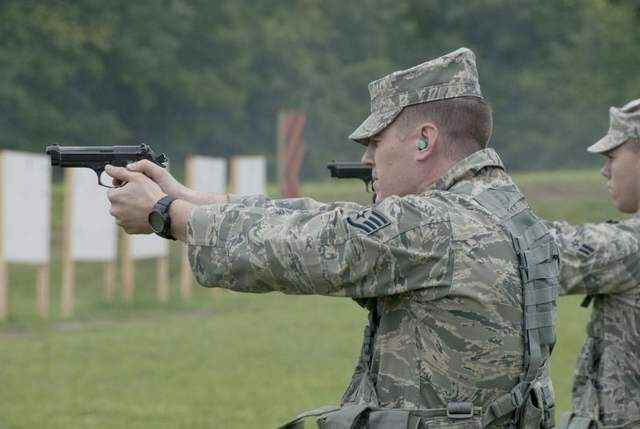
Courtesy Air Force Times
As I mentioned yesterday, I’ve been out of pocket for a while attending Air Force Basic Military Training. I’m now at the Security Forces Academy training for my AFSC to get my three level. Security Forces was my first choice in the AF Reserves, for quite a few reasons. Unlike other service’s military police, Security Forces (often referred to as Defenders) have a large role outside of the law enforcement side of the house. In fact, it was during my lifetime that Security Police and Security Forces were combined into a single AFSC that accomplished both missions. Obviously, most people are familiar with the LE mission, however the “security” side of the house covers everything from gate guard at home station to outside the wire SAM footprint patrols. Outside of the AF’s special operators and battlefield airmen, it is the AFSC most oriented towards small unit ground combat. That alone attracted me to the job, along with the opportunity to learn skills that are directly applicable to my civilian work in the firearms industry. Plus, you get a cool hat.
The point of all this backstory is to get us here – Security Force Airmen are required to qualify on multiple weapons platforms at the Academy: the M9, M4 Carbine, M240, M249, and M203 grenade launcher. Additional weapons such as M2s are covered at later dates if an Airman’s duty station requires it. Today I want to make some quick observations about the handgun program itself. In brief, the handgun qualification is 90 rounds, 45 for practice and 45 for score. It’s fired at 7, 15, and 25 meters. To qualify, an airman had to get 35/45 hits on what is about a B27-sized target. To qualify as an Expert Marksman, you have to get at least 41 on the paper, with 6 in the six inch head box and 25 in the 10 inch body-circle. All strings are timed, and with the exception of the 25 yard string, all strings are two body shots and one head shot. And before you can ask, yes I qualified as expert. A perfect score would be 45 on paper, 13 heads, and 32 body hits. I got 45/12/32. I’m a little bitter about missing that head shot to be honest.
Some observations from the text itself: the AF on paper teachers the Weaver stance, however all the CATM instructors taught a variant of modern isoceles instead. What was most interesting is that the Air Force teaches slide lock reloads instead of pulling the slide. This was refreshing, and to be honest a little bit surprising as I’d expected to hear some nonsense about “gross motor skills” during our handgun class. Instead it was simply presented as “bad magazine out, happy magazine in, press slide lock and resume slaying bodies.”
Equally refreshing and surprising is how Defenders are instructed to carry our pistols.
We’re issued Safariland SLS holsters, which are pretty much the best retention holster on the market. At the SF Academy, we’re taught that the correct carry condition for the M9 is chamber loaded, decocked and (wait for it) safety off. The gun is in DA mode and ready to fire in the holster, exactly as I or any competent self-defense instructor would recommend carrying a DA/SA auto like the M9. I was quite pleased to see these common sense TTPs included in the base-level training that every SF apprentice gets.
The only real complaint I had about the course was that my M9 was in desperate need of a new recoil spring, as it had a tendency to lock the slide open every shot with certain magazines. Luckily, the time limits were generous enough that I could still fire the string accurately with time to spare, even if I had to smack the magazine every shot.
We finish up our M4 training next week, so I’ll have some thoughts on that as well once we wrap up. So far we’ve hardly begun training, but I can already tell I’m going to enjoy this course. What’s not to like about guns, PT, combatives, and arresting people?
You probably noticed that there hasn’t been a lot of new content from me in the past few…months. I’ve been a little busy, attending Air Force basic military training. Now I’m at technical school for my AFSC (that’s what the AF calls an MOS/rate in case you didn’t know) learning all about being Security Forces. That was my first choice for jobs, because I wanted a career field that was related to what I do as a civilian. I’m not very far into training, but the stuff we’ve covered so far has all been firearms related, first qualifying on the M9 then spending the next two days learning the manual of arms for the M4 carbine.
To answer all the usual questions I’ve gotten when this comes back up, I’ll just lay some bullet points on you guys, my faithful readers and friends.
I’m in the Reserves
I’m an E3
I am going to continue Gun Nuts
Yes, going to BMT at 32 years old was weird
I also plan on getting regula updates going on the site again. Don’t expect much during the week for now, as I need to balance out my academic load and figure out exactly how much studying I’m going to need to do in order to accomplish my goal of making top graduate. But I have (most) weekends free, so I plan on dropping updates in there. Yes, I will talk about military firearms training.
As far as the “why” of going back to the military at my age, that is a long and very personal post that I’ll probably save for later. When I have more time, which isn’t today. In the meantime, thank you everyone for staying with the blog. Keep coming back for new and interesting content!
If you are a regular reader of this space, you may remember mention of the name Tom Givens from previous articles, but you probably don’t know a whole lot about Mr. Givens or why a guy like me would hold him in such high regard. Now I finally have the opportunity to tell you about the best defensive firearms instructor you have probably never heard of.
Listing Tom’s entire CV would take an entire article so I won’t attempt to do so. I’ll just hit the highlights. Tom put in a couple of decades as a police officer and investigator in one of the most dangerous cities in the United States. Tom is one of the original Gunsite instructors from way back in the infancy of modern firearms training, and was around for the founding of the IPSC and the IDPA. After leaving law enforcement Tom opened Rangemaster in Memphis, TN where he taught for more than 18 years. In that 18 plus years he taught tens of thousands of students…and so far almost seventy of Tom’s students have been involved in lethal confrontations with violent criminals after he trained them. Tom puts this in a very matter-of-fact perspective: The Rangemaster record is 60+ wins and three forfeits. So far every Rangemaster student who has had to drop the hammer on a bad guy has won the fight, and has done so without facing criminal or civil penalty after the fact. Of the shots his students have fired in a fight, 95% of them have found their mark. (You will have a devil of a time finding any law enforcement entity in the United States with that kind of accuracy in shootings) These numbers, of course, do not even contemplate how many students have managed to stop a violent criminal assault dead in its tracks without needing to pull the trigger on their sidearm.
The bulk of Tom’s students are not hardcore training junkies or former Special Forces supermen. They’re regular folks who lived in a dangerous place (a good many of them sought Tom’s instruction after having been the victim of a violent crime) and took the initiative to arm themselves and get some training. Tom took a bunch of ordinary people off the street and trained them well enough that they prevailed over hardened street criminals time and time again. A small Asian woman working behind the counter in a convenience store probably doesn’t look like much of a threat to most people. She certainly didn’t to the armed robber who busted through the front door with his gun already drawn. He was likely quite surprised when she followed her Rangemaster training and put a .38 caliber hollowpoint into his vital organs.
I didn’t learn about Tom because of some wildly popular DVDs or a signature pistol/carbine. He didn’t have a TV show or show up on the cover of gun magazines wearing the latest tactical gear. Hell, the man doesn’t even have his own action figure. I learned about Tom’s program because I encountered so many other instructors who spoke about his training (and the results it has produced) so highly.
Tom’s program does a masterful job of weaving together safe handling practices, fighting mindset, explanation of the function of violent criminals, marksmanship and manipulations, and demanding performance standards into a single course. Having been through the Intensive Pistol Skills course, it’s not a mystery to me why his students are so successful in self defense.
That’s representative of the kind of mindset information Tom communicates throughout the course. His program is so effective in part because he seems to get his students to buy in to the fact that the need to stop a violent criminal assault is not just a possibility, but is, in fact, almost an eventuality. He gets them to understand the sort of person who is committing violent crimes and effectively communicates that cooperation with violent criminals is not an effective survival strategy.
You may recall I mentioned three “forfeits” earlier. In these three tragic cases, the Rangemaster students were unarmed. They were completely cooperative and gave up their valuables as demanded by the armed criminal.
All three were executed anyway. The lesson there? Carry your damn gun.
Tom’s instructional style is very matter-of-fact…the kind of style that’s clearly the product of four and a half decades of education, research, and application. The presentation is tight and directly to the point. I’ve been in classes where hours were spent trying to explain the use of iron sights and proper trigger control. Tom was more effective in explaining it in just a couple of minutes:
The same goes with the reliability and lethality of handguns:
I’d bet you’re inclined to balk at the description of a handgun as a “pop gun”, but Tom never makes a statement like that without backing it up with fact. Earlier in the day Tom mentioned that one hospital in Memphis treated more than 3,100 gunshot wounds in a single year. Only 74 of those 3,100 plus GSWs were fatal, and the vast majority of victims were out of the hospital within 48 hours. Handguns, regardless of caliber, are not death rays. Practically any handgun you would consider for carry will just punch holes in things. To effectively stop a criminal assault it is up to you to ensure that you’re punching holes in something that matters.
Tom’s instruction emphasizes speed and accuracy from ready positions and from the holster. Criminal assaults tend to happen close and fast. Investigating many violent crimes and reviewing video footage of scores more led to Tom’s rule of threes: Three seconds. Three yards. In the majority of incidents the guns come out at extremely close range, and once they come out the thing is resolved one way or another in about three seconds. “In a fight, time runs like water. Misses waste time.” It was interesting watching Tom present what a lot of people would consider a pretty high level of shooting skill as something anyone should be able to do. “Hell, he’s only two car lengths away!” I’m convinced this is another key to Tom’s success…he doesn’t treat what he’s presenting like it’s climbing Everest. His presentation implies that anybody can get from the holster on target in less than 1.5 seconds. Anybody can fire two or three well-aimed shots in a second. His students rise to meet those expectations as they apply the lessons under his and Lynn’s capable supervision.
This was a phenomenal class and I cannot recommend training with Tom and Lynn highly enough. In a class like this you are getting a distillation of all the stuff that’s been proven to work from Cooper until now. It is pure essence of superior defensive pistolcraft…and it’s impossible to be exposed to it without walking away a much more dangerous foe for any criminal inclined to attack you.
Tom and Lynn are on the road full time these days, so odds are they are going to be in a class near you sometime in the near future. Get into it. Your odds of success at self defense will improve.
You may have heard recently that at least one relatively high profile firearms instructor essentially banned appendix inside the waist band carry from some of his classes. That announcement has led to a lot of discussion of AIWB carry…some of it useful, some of it so unbelievably stupid that I felt a bit dizzy and asked myself “Is this real life?” In the hopes of furthering the useful discussion and stopping the stupidity, let’s separate the fact from the fiction.
Around 1980, Bruce Nelson…the guy who designed the Summer Special…using it as originally intended. AIWB. This method of carry isn’t new by any stretch.
Firstly, AIWB carry is most definitely not a “fad”. The first handguns were often stuffed in a sash or sturdy belt at the front of the body because they carried and concealed pretty easily there. It’s kind of silly that people are running around calling a carry practice about as old as the actual concept of the handgun a “fad”. Go look up depictions of pirates sometime.
One of the primary reasons why AIWB is enjoying a resurgence of popularity is because more people are discovering that it allows them to more effectively conceal more gun more of the time. If you are remotely serious about the defensive carry of a firearm then you are perpetually on the lookout for a better mousetrap. I’m amused by the “fad” angle because a bunch of people squawking about it have bought more rail systems for an AR-15 they will never carry than you can shake a stick at, and yet they want to thumb their nose at people looking for a more practical and effective way to pack a handgun for personal defense? Rule of thumb: If you’ve purchased more than two different compensators for a 5.56 rifle, you don’t get to talk smack about “fads”.
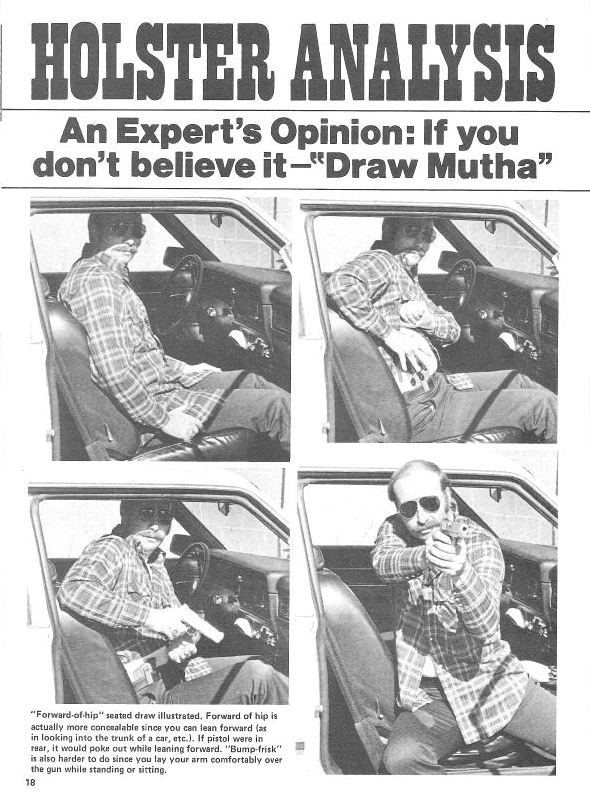
The major issue, though, is safety. Carrying the handgun on the front of the body places the muzzle in uncomfortable proximity to the genitals and the femoral artery. Unintentional discharges when attempting to draw or reholster a firearm are fairly common:
The exact orientation of the holster plays a role in determining exactly what bits of one’s anatomy get pierced by a bullet should an unintentional discharge occur. In Mr. Grebner’s case the strong-side hip placement of the holster led to a relatively shallow, straight-through gunshot wound that did only minor tissue damage. One could certainly conclude that had Mr. Grebner made this series of mistakes with a holster in the AIWB position the consequences could have been much more severe…if not outright fatal.
An unintentional discharge while reholstering…luckily without any injury to the shooter.
Because it is relatively well known that the draw and reholster are significant vectors for accidents with firearms, and because it is reasonable to believe that more severe wounds would be sustained if these accidents happened in an AIWB orientation, some instructors have limited or outright banned the use of AIWB holsters in their classes.
I have a slightly different take. I think that teaching a safe draw and reholstering method should be an important focus of any handgun class. Handguns spend their time either in our hands or in our holster. When it comes time to use one whether that is on a square range in a class, in a competition, or on the street in a defensive encounter, we have to get the gun out of the holster without making ourselves a casualty in the process. This is a fundamental skill. It cannot be glossed over without doing a serious disservice to the student.
If a student is exhibiting problematic or unsafe behavior while drawing or reholstering a firearm that needs to be addressed regardless of where, exactly, the student is carrying the handgun. A student who ends up with a relatively minor gunshot wound that just gets bandaged is certainly better than having to apply a tourniquet to a massive arterial bleed…but bullet holes in students are a bad thing full stop. There needs to be focus in class on preventing students from getting shot rather than hoping that if they get shot they only get a little bit shot by forbidding AIWB carry.
If people don’t learn proper handling into and out of the holster in a class, where in blue hell are they supposed to learn it?
I also have to take a minute here and mention that I’ve been in a number of classes with a number of people and only a relatively small percentage of them had a stated medical plan in case of injury. I’ve mentioned this before in a previous article. Yet some of the folks with no stated medical plan for their classes are banning AIWB carry. It seems strange to me to worry that a particular mode of carry might lead to more serious injuries should an accident occur and yet have no actual plan in place to deal with an accident in the first place.
In various training endeavors I have encountered poor class structure with too many people in a class leading to insufficient supervision of students. One instructor cannot hope to keep careful track of what twenty students are doing on the line at the same time…or what one relay is doing on the line while another is back at the benches screwing around with lethal weapons. I have personally placed my hands on someone else’s weapon on multiple occasions in some of these larger classes to redirect it away from themselves or another innocent person because I was the one catching it rather than the overtaxed instructor and assistant instructor. (Although in many cases there IS no assistant instructor in some of these classes)
If we skip fundamental holster skills, don’t have a sensible medical plan in case of emergency, and we structure classes so that the instructor has no hope of keeping track of what’s going on then the risk of all manner of bad things happening goes up considerably…and banning AIWB carry doesn’t do beans to address any of that.
It is possible to teach sensible holster skills in a relatively brief period of time, even with AIWB carry:
The objection at this point is usually that one cannot rely on students to observe safe holstering procedures as shown above every time they reholster a weapon. In a class setting students will be putting a pistol back into the holster dozens of times. Some of those reps will be done when the student is feeling considerable stress or frustration. Some of them will be done when the student is sunburned, dehydrated, and generally drained in both a mental and physical sense. (People dramatically underestimate how physically demanding a day’s training on the range can be.) They are likely to forget proper reholstering procedures and with an AIWB holster that can lead to serious consequences.
There’s certainly some merit to that argument. Let’s remind ourselves, though, that during a drill we are asking that same person to pull a loaded firearm out of a holster and use the thing around a whole bunch of other people without shooting any of them with it. If we cannot rely on students to safely reholster their firearms, why do we rely on them to not point their gun at someone else on the line?
Instructors constantly pound muzzle discipline and trigger finger placement throughout a class…and well they should. Why are sane holster practices not given the same level of attention? Again, we are talking about a fundamental skill necessary for the use of a handgun and a well documented danger zone for launching rounds unintentionally…yet I’ve been through a whole bunch of classes where safe handling into and out of the holster were never mentioned in the first place, much less pounded continually throughout the day the same way that muzzle and trigger finger discipline are.
I’m all for increasing safety on the range but instead of focusing on a particular mode of carry as if that will fix the problem, let’s ask questions about why students are shooting themselves in the first place and fix it for real. Part of fixing it will be placing more emphasis on training fundamental holster skills. Part will be structuring classes so that there is a sane instructor to student ratio. Part of fixing it will be bluntly telling a paying customer that they can’t be on the line with a loaded gun because they are a danger to themselves and others.
I happen to agree that AIWB carry isn’t for everyone and that the potential downsides of launching a round unintentionally, particularly when reholstering, requires some serious thought. When I started carrying AIWB I changed my carry gun away from a striker-fired pistol to the H&K P30 primarily so I could physically block the hammer’s movement with my thumb as an extra layer of safety on top of sane reholstering protocol. As a general rule, I tell folks that I do not advise carrying a striker fired handgun with no manual safety in an appendix holster/orientation. I try to choose my carry gear (which is the gear I train with as much as possible) with the supposition that I’m likely to screw something up and I layer in as much safety as I can on top of that.
In the classes I’ve done recently with FPF Training and Tom Givens of Rangemaster, I used a Wilson CQB 1911 pistol carried in a “Keeper” from Keepers Concealment. I like this combo for AIWB carry because the weapon itself has two manual safeties on it that I can activate (changing how I hold the gun re-engages the grip safety) before putting the weapon back into the holster. The holster itself will actually engage the thumb safety if I ignore my usual pre-holstering protocol of deliberately checking the thumb safety. I also press my thumb into the face of the cocked hammer so that there’s flesh between the hammer and firing pin just in case something goes horribly wrong. I also use a reholstering technique similar to the one Todd demonstrates above to keep my delicate anatomy clear of the muzzle.
Is any of that “unsafe” for a training environment? Of course not. Does everyone put that much thought into their gear and how they are using it? No…and that is the problem. Everything we do with a deadly weapon should be done with great care, including consideration of our gear and how we use it. What we really need to increase safety is critical thinking on the part of every person who is handling a weapon…and that doesn’t happen if we allow this discussion to devolve into yelling UNCLEAN!!! at somebody who has their holster in the “wrong” position.
We are already in an environment where a lot of ranges won’t allow ANY work from the holster due to the risks. There are no shortage of examples of people who have shot themselves either trying to draw or reholster a weapon, the vast majority of them using a strong-side holster when it happened. (Isn’t it funny how that just seems to get glossed over in some of these discussions? People are getting shot…that’s uncool even if the injury is thankfully minor.)This state of affairs is not improved by banning AIWB carry and calling it a day.
By all means, let’s have discussions that promote safety on the range…but let’s have a sane, reasonable discussion with everything that matters on the table.
…even if you are handling a dangerous item that isn’t a firearm:
If you are sure of your target and beyond, you don’t end up axe-ing some poor drummer minding his own business.
While we’re at it, rule 1 of firearms safety is to never point a firearm at anything you are not prepared to destroy. This would be a pretty good rule of thumb for swords, too:
If you don’t swing a sword in the vicinity of someone you have no intention of killing, you’re much less likely to chop someone’s nose off.
What you are seeing here is the result of human beings who are handling dangerous weapons (axes can be tools and weapons) casually and without critical thought…which is common behavior by human beings in general whether they are handling an axe, a sword, driving a 2 ton vehicle, or picking up a firearm. When you are handling a dangerous object/machine, always do so with your conscious mind actively participating in the process. Otherwise you end up on youtube.
We use cookies to optimize our website and our service.
Functional
Always active
The technical storage or access is strictly necessary for the legitimate purpose of enabling the use of a specific service explicitly requested by the subscriber or user, or for the sole purpose of carrying out the transmission of a communication over an electronic communications network.
Preferences
The technical storage or access is necessary for the legitimate purpose of storing preferences that are not requested by the subscriber or user.
Statistics
The technical storage or access that is used exclusively for statistical purposes.The technical storage or access that is used exclusively for anonymous statistical purposes. Without a subpoena, voluntary compliance on the part of your Internet Service Provider, or additional records from a third party, information stored or retrieved for this purpose alone cannot usually be used to identify you.
Marketing
The technical storage or access is required to create user profiles to send advertising, or to track the user on a website or across several websites for similar marketing purposes.