The importance of improvisation

Human critters like predictability. We like to know what something is and to have a good handle on how we should respond to it. I’ve used the example before, but when we go into the store to purchase an item and the cashier asks “How are you today?” we will probably respond with “Just fine, thanks.” The cashier is not really interested in our state of mind anymore than we’re really interested in probing the depths of our psyche with someone making 8 bucks an hour, but it’s social custom and we expect it and have an appropriate response queued up and ready to go. Everybody’s happy. When things don’t go according to that script it can throw us for a loop. A little while back I was having lunch with a friend when he noted a tattoo around the waitresses wrist. “There is no growth without pain.” Combining that tattoo with her physical appearance, posture, and demeanor I gathered that life hadn’t really been kind to this poor girl, and that the tat was a physical manifestation of her attempts to cope with the challenges she was facing. My friend, of course, wasn’t satisfied with my hunch and being the too-curious-for-his-own-good type decided to ask her about it. When she came by to refill our drinks and engaged in normal waitress/customer banter, he pointedly asked about the tattoo. This clearly wasn’t expected and brought about a long pause complete with racing eyes as she tried to figure out what to say next. She’d obviously never been asked that question in quite that fashion before and (to borrow a humorous turn of phrase from Craig Douglas) it OODA’d the daylights out of her.
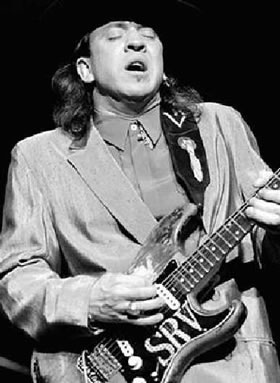
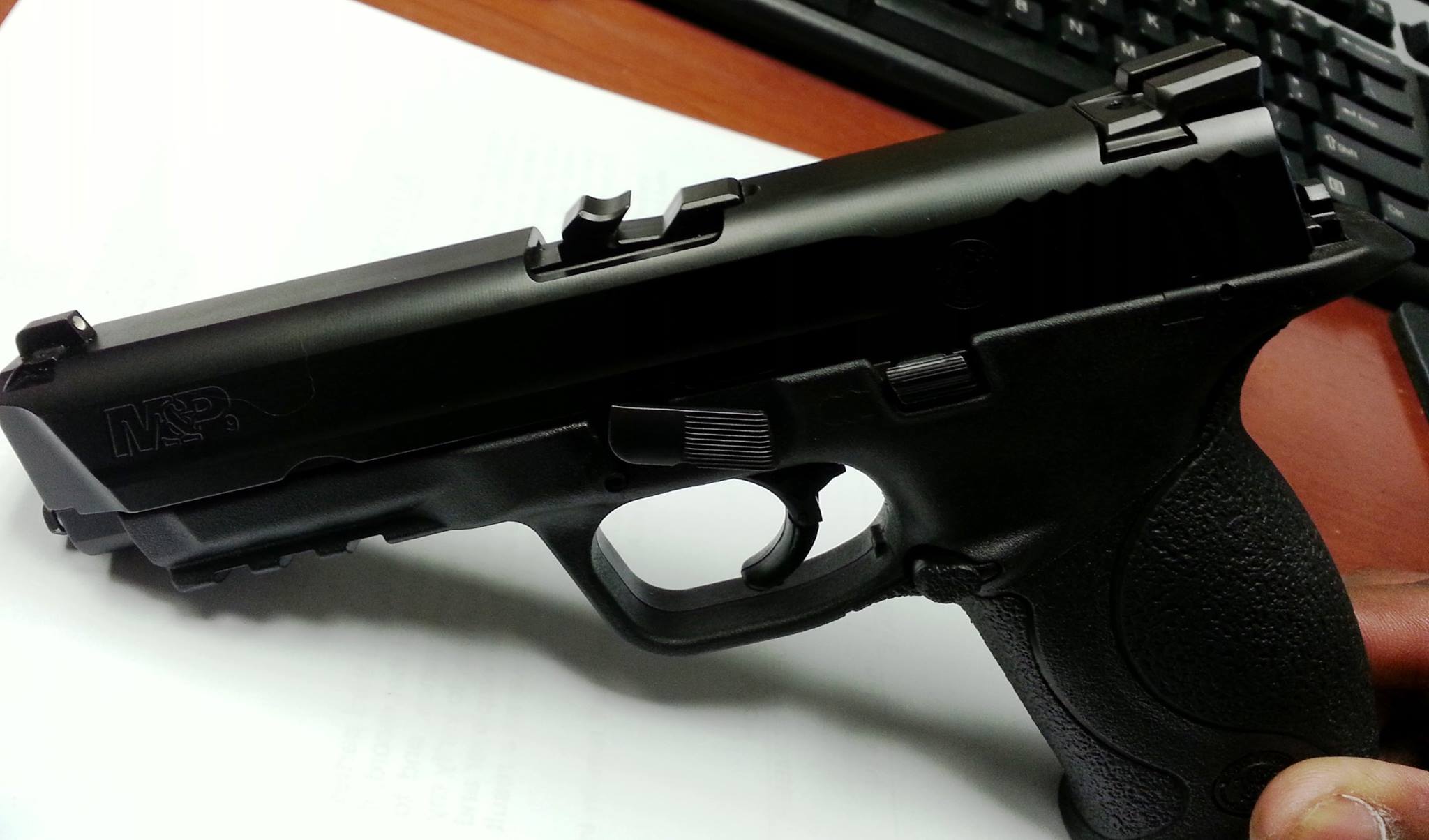
Skilled improvisation accomplishes amazing things whether you're holding a handgun or a Stratocaster.
The ability to improvise is crucial regardless of whether you’re holding a shotgun or a Stratocaster.

So what does any of that have to do with guns or self defense? Simple: Self defense is rarely planned. You as a good guy/gal going about your life in a respectable manner have a plan for what you’re going to accomplish on a given day, and I’d bet that being in a gunfight ain’t on your calendar anywhere. If you’re carrying a gun it’s not an entirely unexpected possibility, but it’s still something that’s going to catch you by surprise. Quality training will help you see the warning signs sooner and will give you more time to react, but no matter how well trained and prepared you will have to figure a lot of the equation out as you go along. You will have to improvise. You will be called upon to observe a number of things in the environment, make judgments about what you observe, and come up with an appropriate response in what is likely a very unfamiliar situation…all within a very compressed time frame with high stakes.

It’s tempting to think of the ability to think quickly on one’s feet as an innate gifting of nature, and to some extent it is…but it’s also a skillset you can consciously develop by exposing yourself to situations where you have to think your way through a problem under some pressure. One of the great benefits of competing is exposure to the requirement to think with a gun in your hand. Sure, in some competitions you can airgun the stage before actually shooting it but you’re still going to be forced to react quickly to what’s happening in front of you. The swinger might not activate the way you want it to. The door you have to open for the stage might get opened a little too hard under the adrenaline of the moment and bounce closed on you. Your weapon might malfunction. Etc.

Quality training also puts students in situations where they have to think their way through problems. Students will have to run, work around barricades, do some math, and make quick judgments if the instructor is doing his job properly. During a class with Ken Hackathorn some years ago students were told to clear a structure laced with IDPA silhouette targets. Red bandanas on the targets were threats, blue were innocents. Being the wily sort, Ken threw in a number of white bandanas too without any instructions on how to handle those…just to make people react on their feet. Some people went into momentary vapor lock when they encountered the white bandanas. Some people gunned them down. Some people treated the white bandanas as non-threats and continued clearing the structure. The correct response, of course, was to reason in the moment that reds were threats and to leave the whites alone since we only put bullets into a known threat. Force on force training is the king in this arena because nothing beats having to deal with a real human being who reacts in ways you don’t expect.

I’ve participated in a number of training exercises as the trainee and in the “bad guy” role. On one occasion I was the “bad guy” for a class on computer forensics. As the “bad guy” I was supposed to be planning an assault against a local school, and the trainees were supposed to first secure me, then the scene, and then recover digital evidence of my dastardly plan on the scene. I didn’t know which trainees I’d be dealing with or how they were going to approach the scene…I’d have to improvise. When the “lead investigator” approached me and started working through the initial contact I wanted to derail his attention so I could get to a “weapon” I had stashed just outside of arm’s reach. When he asked me what I had been doing that evening, I responded with “Why? Do you want to date me? Is that what this is? Trying to pick me up?”

“No, sir, that’s not what I…”

“Because I wouldn’t mind, honestly. You’re kind of cute. Normally I’m not into pretty boys but the uniform is really working for me and I could definitely get into this.”

I followed that up with some other comments that were not G rated which I won’t repeat…but it had the intended effect. While the trainee was trying to figure out how to respond to me, I worked my way toward the stashed weapon without he or his partner noticing. Not being able to roll with the punches in a live interaction created a gap in their situational awareness that I as the “bad guy” was able to exploit. They had worked out a plan prior to making contact with me, but their plan went down the tubes at first contact and they weren’t able to come up with another strategy fast enough to stop the “bad guy” from getting access to a weapon.

Such is the problem with “plans”…as the old saying goes, everybody has a plan until they get punched in the face. This is not to say you should just make up your self defense plan as you go along with no forethought. That would be stupid. You need to train important skills and consider possible problems, solutions, and outcomes ahead of time to have any hope of being able to meet the expectations in the moment. In fact that kind of work done ahead of time gives you a better menu of possible options to pull from in the moment if you’ve prepared sanely. Still, there’s a certain percentage of the problem that you will have to solve as it’s happening.

A guitarist like Stevie Ray Vaughan may learn a song like “Little Wing”, but people paid to go watch him play the song because he never performed the song the same way twice. You knew he was playing “Little Wing”, but it was always filled with improvisation, modification, and even the occasional subtle mistake which made each performance distinct.

Just as musicians can improve their ability to improvise on stage with practice, you can improve your ability to improvise social interaction or problem solving by putting yourself in unfamiliar situations and working your way through them. Chat up a stranger at the coffee shop, expending effort in reading their body language, facial expressions, and posture for signs of what they’re thinking. Maybe take an improv class at the local college or theater group. Train on something unfamiliar like trauma response or driving. Take ECQC. (Always unique due to the mix of students) Get together with some competent buddies and work through some scenarios using airsoft guns. Something…anything…that makes you read situations and solve problems at speed is going to help you pick up more information from the environment and make better decisions under pressure. Seek to develop your ability to improvise in the moment as consciously as you try to develop harder skills like draw speed, marksmanship, or clearing a malfunction. It will pay dividends on the chunks of self defense that don’t involve pulling the trigger.

 

Brandon Webb is not anti-gun

Last year before SHOT, I wrote a post attacking former SEAL Brandon Webb for his views on the American gun culture, calling him anti-gun. Brandon fired right back on his site, and it looked like we were headed for a full on blog war. Then something strange happened – we had a professional email exchange, and agreed to meet up and do an interview at SHOT SHOW 2014. That interview turned into a pleasant conversation between two dudes whose points of view really aren’t that far apart.

I don’t think Brandon Webb is anti-gun. I also don’t agree with him on every subject. In our conversation, we discussed everything from the role the NRA could play as the gun culture changes, what it’s like being a gun owner in California, and how different viewpoints colored both of our perceptions.

The reason I’m writing this post now is because with NRA Annual Meetings kicking off tomorrow, it’s an appropriate time to revisit this discussion. Here are the two takeaways from that conversation. First, I don’t think that at the time, Brandon had a solid grasp of all the NRA’s programs outside of their political stuff. That’s not surprising, because a lot of people don’t realize that the NRA is more than a political organization. I think that NRA is working to change that, and that’s an important thing. I’d love to see a greater emphasis from NRA on their shooting programs, on education and training.

The second takeaway is the really important one though. I believe that we’re too quick at times to criticize potential allies for straying from what we believe to be the Gospel of Gun Rights. Brandon Webb isn’t anti-gun. Like I said up top, we certainly disagree on things. But on the core issue of the 2nd Amendment, we agree that it is an individual right for the citizens. That’s important. We can fight and argue all day about semantics, but attacking people because they’re not true believers in our pure vision of the perfect Gun Rights world doesn’t do us any favors. I personally should have taken a more nuanced approach with Brandon, and I sometimes wonder if we’re tossing good people under the bus for not being ideologically pure.

The story behind all of this is simple: two guys took potshots at each other online, but then when we sat down and talked like grow ups, we realized that working together was smarter than sniping each other online. Maybe what we need is more of that – talking like grow ups, and not Gun Rights purity contests.

The 5 types of media at NRA Annual Meetings

NRA Annual Meetings are just around the corner! It’s one of the best events of the year, and because it’s open to the general public it always attracts huge crowds. There are also loads of media at the NRA show, from the New York Times all the way down to peasant bloggers. It makes the press room at NRA one of the most amusing places I get to go every year, because you can have writers from Forbes sitting right next to some guy in a Jayne Cobb hat. It’s awesome. Here’s a humorous look at five of the most prominent media types you’ll see.

First, the anti-gun media.

1. The Mainstream Media
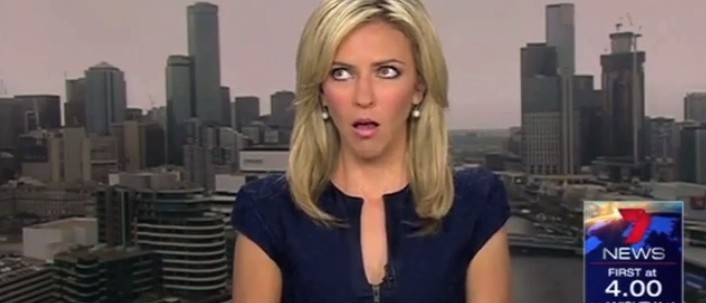
I’m always amazed at these guys when they show up. It’s usually because they’re there to cover the 100 protesters outside the Annual Meetings while basically ignoring the 75,000 people inside the actual meeting. Which is fine, it’s just weird. Usually their stories come out as “ha-ha, look at these dumb cousin humping rednecks who love guns, and these few brave souls standing against the tide of evil that is the NRA.” I’d say they’re worthless, but they do make me laugh, and there is value in laughter.

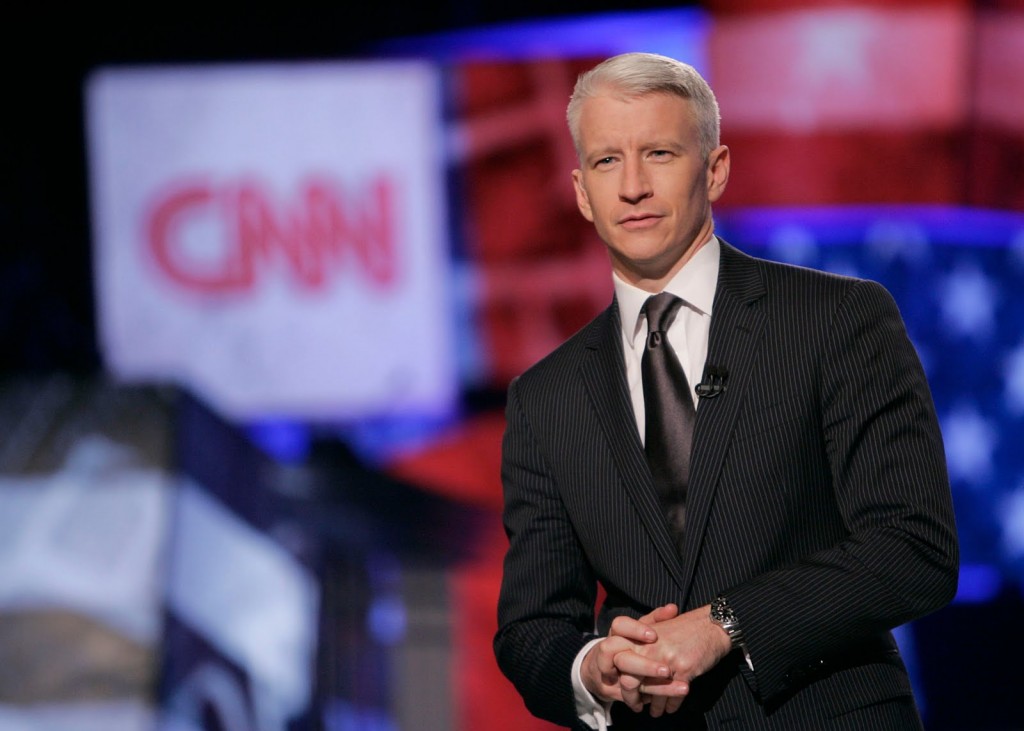
For the record, I actually like Anderson Cooper. But he's pretty mainstream.
For the record, I actually like Anderson Cooper.

2. The Local Media
These guys are my favorites. Their coverage is usually a combination of “wow, look at all the money these people are spending, this is great for the local community, but man guns are sure are icky and gross.” Usually a few months before the show there will be some useless hit pieces trying to link the NRA to local gun violence or some nonsense, and at the actual meeting they’ll usually cover the protesters as well. To their credit, they’ll try and actually talk to some NRA members in the actual meetings as well. Unfortunately, that’s usually because they’re auditioning for a cable news network job, so they ask dumbass questions like “how do you feel about the scourge of gun violence” to some dude who just wants to look at the cool new .339 Elephant Thumper rifle from Safari Guns, Intl.

Local-news-reporter-coughing-e1393524075604

3. Buzzfeed
No, seriously buzzfeed was there last year. I couldn’t help but think of the line from Archer: “Lana, look! He thinks he’s people!” Buzzfeed is terrible.

And now we switch gears to the pro-gun media!

4. The Old Media
Easily spotted in their realtree camo jackets and jeans, the Old Media can be overheard in the press-room discussing what a Faceblog is, and how to make it stop. If you want to see the finest coverage of duck decoys and shotguns you can’t afford, these are definitely the guys to check out. Insert joke about sad devotion to ancient religions.

5. The new media guys
Of course, if there’s one thing worse than the old media, it’s the new media. There’s nothing worse than a blogger who think that just because they’re smart enough to set up a wordpress page and pound out some mediocre content every now and then that their opinion is actually worth more than a fart in the wind. Seriously, bloggers are just the worst people ever. Can you imagine the massive ego it must take to think that your opinion is SO IMPORTANT that the whole internet should read it? Ugh.

neckbeard blogger

Bonus: Shooting USA
Jim, John, and Mike from Shooting USA are awesome, and it’s always a pleasure to see them at shows. Some of the nicest guys in the industry.

shooting usa dudes

Hope you’ve enjoyed this humorous look at some of the media types you’ll see at NRA Annual Meetings! Both Shelley Rae and I will be in attendance this year, so if you see a hyperactive midget walking around with a ginger that’s out of his league, make sure to say hello!

New Gun Bill Signed Today in GA

20140423-103032.jpgLater today the Georgia governor will sign bill HB-60. Fox News and others are calling this bill “unprecedented”. Named the “Safe Carry Protection Act” it addresses gun issues like, hunting with a suppressor, the creation of a statewide firearm owner database, and deanying a lease of property to a person lawfully able to carry or posses a firearm. Most noteable though, are the bill’s changes to Georgia’s firearm carry laws in prohibited places.

Continue reading →

Accuracy variance

It’s possible to mess up shooting groups even when you’re shooting off a rest.

D-spring 030

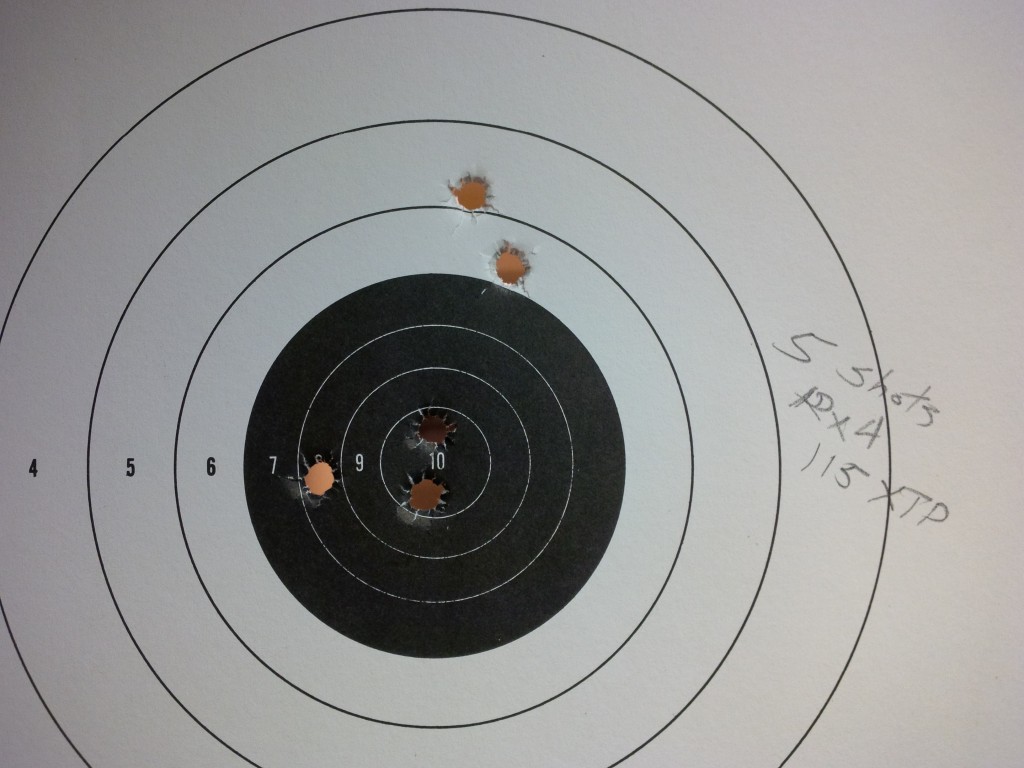
I had a good thing going there, and then I thought it would be rad to push the gun harder into the sandbag, which lifted the front sight just enough to open up the group pretty considerably. Considering that the gun and ammo combo is capable of 2 inches easily at 25 yards, this 3 inch 25 yard group isn’t that great.

Packing Tactically

Competition season is starting to ramp up again, for Gun Nuts that means the World Action Pistol Championship and the Bianchi Cup are right around the corner, for everyone in the shooting sports it means more travel is imminent.

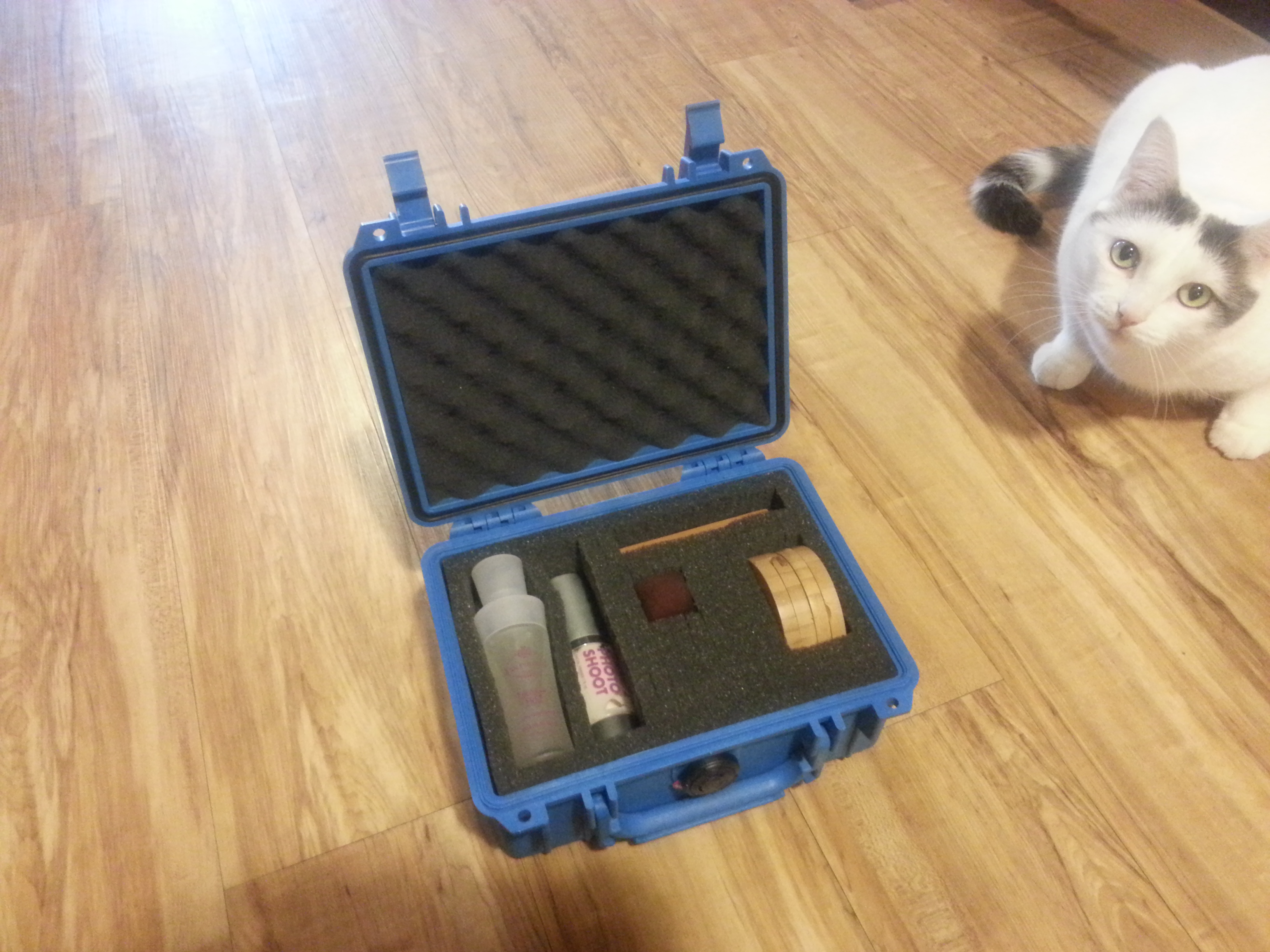
More bonus tips: A pelican case can protect your expensive make-up products, and don't ever pack a cat for a shooting competition, they are worthless on the range.
More bonus tips: A pelican case can protect your expensive make-up products, and don’t ever pack a cat for a shooting competition, they are worthless on the range.

I am nothing if not an over-packer, and with more and more 3-Gun being added to my schedule that becomes a problem very fast. I am not sure if you’ve ever seen a 100 pound girl dragging 120 pounds of luggage, guns and ammunition through an airport, but I will tell you that it’s a much more entertaining sight for the people watching than her.

The longer I do this “travel to matches” thing, the easier it is for me to know what I need to bring or not. It’s a matter of acquainting myself with the matches, the range, and the area. For example, I know at National level IDPA matches I should bring something nice, but not overly formal, to wear to the awards ceremony, jeans and a t-shirt will do for any USPSA awards ceremony,  and at the Bianchi Cup it’s time to break out the Gucci… Or the credit card.

I know that when I go to Rock Castle in Kentucky I should pack a sundress, because there will be a chance to relax at the range after the match with a nice glass of wine. There will also be bourbon tasting at some point during the week, so it’s best to plan for that too.

But how do you learn all this without the experience of going to the matches? There are several steps I’ve started to take before going to any match:

1. Look up the range.

Knowing the terrain will give you a lot of information on how to dress for the match itself. For example, you’re going to run into more mud at the Universal Shooting Academy in Frostproof, FL than you are at the U.S. Shooting Academy in Tulsa, OK. Part of that is the weather, part of it is the range terrain, and all of it can have an effect on what shoes you decide to pack. (My running shoes were green before going to Steel Challenge last year in Frostproof, since then I’ve been complimented regularly on their unique shade of brown.)

2. Look up the match.

Not that you wouldn’t already have the match website bookmarked, but a lot of times there will be a note if formal dress is required at any event. Personally, I believe in dressing nice for any awards ceremony, but my regular award ceremony standards of dressing nice wouldn’t make the cut at Bianchi Cup.

3. Research the surrounding area.

I try not to go to a match and just go to the match. It seems a waste and a shame, and the surrounding area is an important part of any narrative. For example, at the USCA Nationals in New Smyrna Beach, FL last year I had many opportunities to meander down the beach (my D.Q. helped), at IDPA Indoor Nationals this year we went to look at the Springfield Armory Museum, and Rockcastle, KY, home of the Rockcastle Shooting Center where the World Action Pistol Championship is being held this year, is just an hour from Lexington.

On top of the “fun” aspect, it can really affect your packing. I know I’m more likely to go somewhere nice to eat in Vegas than Frostproof, and I probably won’t need an extra set of heels in Tulsa, but a pair of flip-flops will serve me well off-range if I’m headed to the Hogue Range in SLO.

4. Watch the weather intently.

I about froze a Media Day during SHOT Show 2013. Why? Because I was going to Vegas (and in the middle of a move) so I didn’t check the weather. It’s not supposed to get cold enough in Vegas to freeze out someone from South Dakota! (Free Bonus Tip: Don’t ever assume a place can’t get cold enough to freeze out someone from South Dakota.)

Do your research, don’t be like me.


Question for the viewers and readers

I usually film the Wednesday video on Tuesday afternoon. We have three options for a video tomorrow:

  1. A 90 Second Gun Review
  2. A training/drill focused video
  3. A humorous video about looking cool at matches

Everyone seemed to enjoy the humorous Eject and Catch video, and I really do enjoy making the humor videos. I don’t want to push my luck with them though, so if you’d rather get a serious video one week and a funny video later, I am in this case at the mercy of the readers. Let me know in the comments which you’d prefer, and we’ll film that!