In the previous articles discussing capacity I’ve attempted to bring focus on to some of the realities of using a firearm as a tool of personal defense that should inform our thinking on the capacity question. Many make their decisions on faulty information, making assumptions about their performance in an unfamiliar situation that could lead to serious problems. Capacity isn’t the only issue that needs to be addressed, but it’s important enough that we should settle it in our minds with solid reasoning based on good information.
A comment on one of the previous entries on this subject posed the idea that based on my presentation there was no such thing as a sufficient capacity. That takes things farther than I ever intended, certainly, and wasn’t really the point. The goal was to poke holes in the comfortable assumptions people often make about how gunfights work so that they might be forced to reconsider aspects of their plan in a new light. I don’t know anyone who walks around daily life in the United States with a belt-fed machinegun strapped on to deal with muggers. The M240 has proven to be very effective at making even large groups of heavily armed bad guys into mincemeat and would certainly perform very well against any criminal assailant you can find here in the United States, but it’s not terribly practical for Bob the accountant to go about his day with a 22 pound light machinegun strapped on. It would be cool, and it might even make some of those death-by-powerpoint meetings end quicker if people see Bob getting antsy and shifting around his .30 caliber machinegun, but it would be socially unacceptable and it’s unlikely Bob would remain an accountant very long because his employer and coworkers wouldn’t appreciate the possible productivity benefits of an M240 in the room.
We each face our own set of unique circumstances that will present different challenges. Dress codes, the types of social interactions involved, policies, security measures, and more pedestrian practicality concerns all have a role in determining the parameters your typical concealed carrier has to work with. Acknowledging that, we can still make the best choice we can inside the box life circumstances sticks us in. Most who show up at the gunstore are not making their choices with careful thought. They like this or that, and so they buy it and then when it doesn’t fit their carry needs they just don’t carry it. Self defense is a lot easier if you actually have a weapon readily accessible, folks.
I’m not a fan of .22LR pistols or revolvers as primary carry guns, but I’d buy one I could carry all the time in a heartbeat over some larger and more capable weapon I could only carry 20% of the time. Under no circumstances should anyone think that anything I’ve written argues that if you aren’t carrying at least a Glock 19 you might as well not bother carrying. That’s stupid. The puniest pistol on the market still beats the living daylights out of fingernails. My caution is against the false dichotomy people often draw around “well, it’s either this or nothing!” because usually it isn’t. With effort and intelligent equipment choices many can pack more gun than they might think more of the time than they thought possible. The key there is effort. You have to work at it and be willing to experiment.
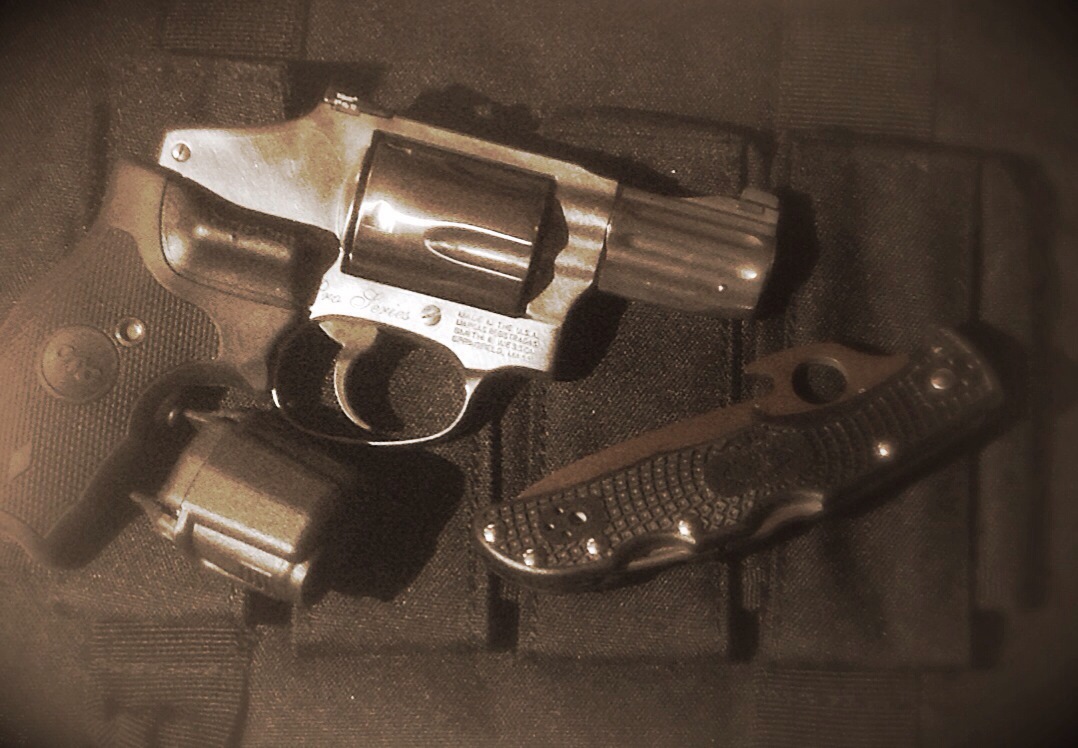
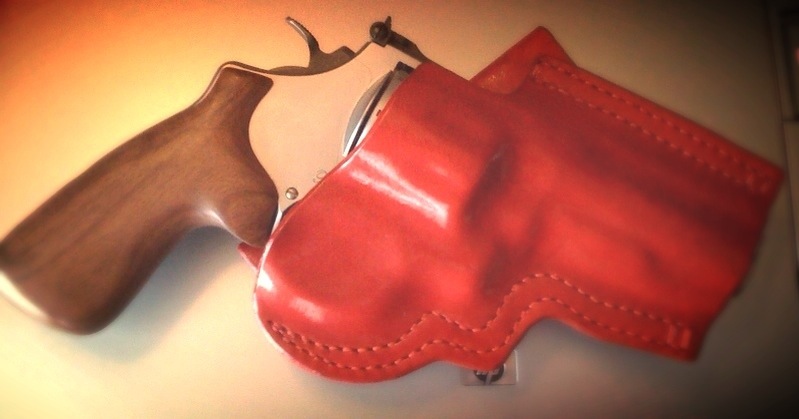
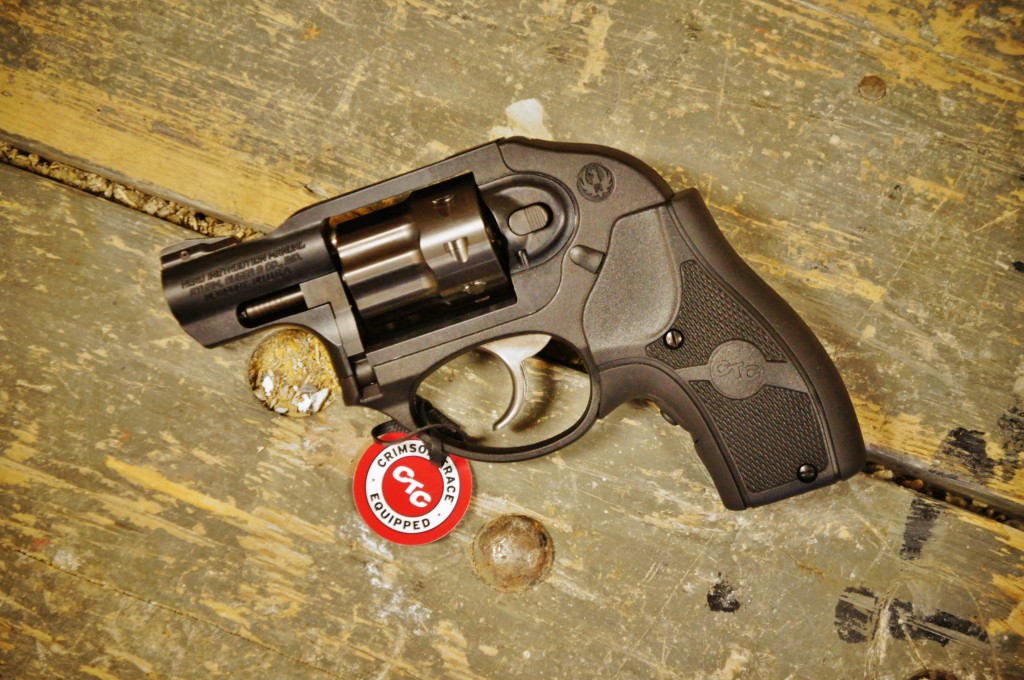
The person who takes self defense and concealed carry seriously will often end up with a number of holsters and a number of different handguns. Some will be useful in many circumstances, and some might only be for a particular niche. Aside from my main carry piece, I have a number of different handguns that fill a particular niche I face as a result of my life’s circumstances. The high-capacity 9mm pistol is a great carry choice, but I can’t always get away with packing it. Sometimes a weapon like the Ruger LCP or a S&W 317 is the best I can manage in the circumstances. Certainly far from ideal, but also certainly better than a sharp stick.
The point here is making the decision based on solid information, not fanciful supposition. I’ve put in the time necessary to better understand violent interactions and how human beings react under extreme stress, and that gives me a more realistic picture of what I can expect on the street and how I’m likely to react. I’ve worked on developing the knowledge and strategies to prevent ever needing the gun in the first place, and I’ve worked through my life circumstances enough to ensure that should I be forced to actually use a firearm in self defense that I’ve given myself as much of an equipment edge as I could get away with. Knowing ahead of time you’ve prepared as best you can tends to have an impact on your performance in the real thing…and those who would threaten you can often pick up on that as well.
In the moment where you’re reaching for a firearm to solve a problem, you don’t want to have any doubts about it. You want to know all the way down to your core that it’s the best tool you could manage at this moment, and you want to know that you’re capable of using it to get the job done. That only comes through making careful, intelligent decisions and dedicated practice. Those things are readily apparent in how people perform when it all goes pear-shaped.